Small Decisions That Reduce Waste in Shared Spaces
In a facility used by hundreds of people each day, small amounts of unnecessary output can add up. A station that provides more than a person needs, continues operating after they move away, or responds inconsistently creates extra work for both visitors and staff. Planning for the right amount at the right moment helps the space operate more efficiently.
Consistency is particularly valuable when use varies throughout the day. A quiet morning may place little demand on the space, while an event changeover or scheduled break can bring many visitors through in a short period. Each station should respond in a familiar way regardless of when it is used. People can then complete their routine without adjusting to different behavior from one location to the next.
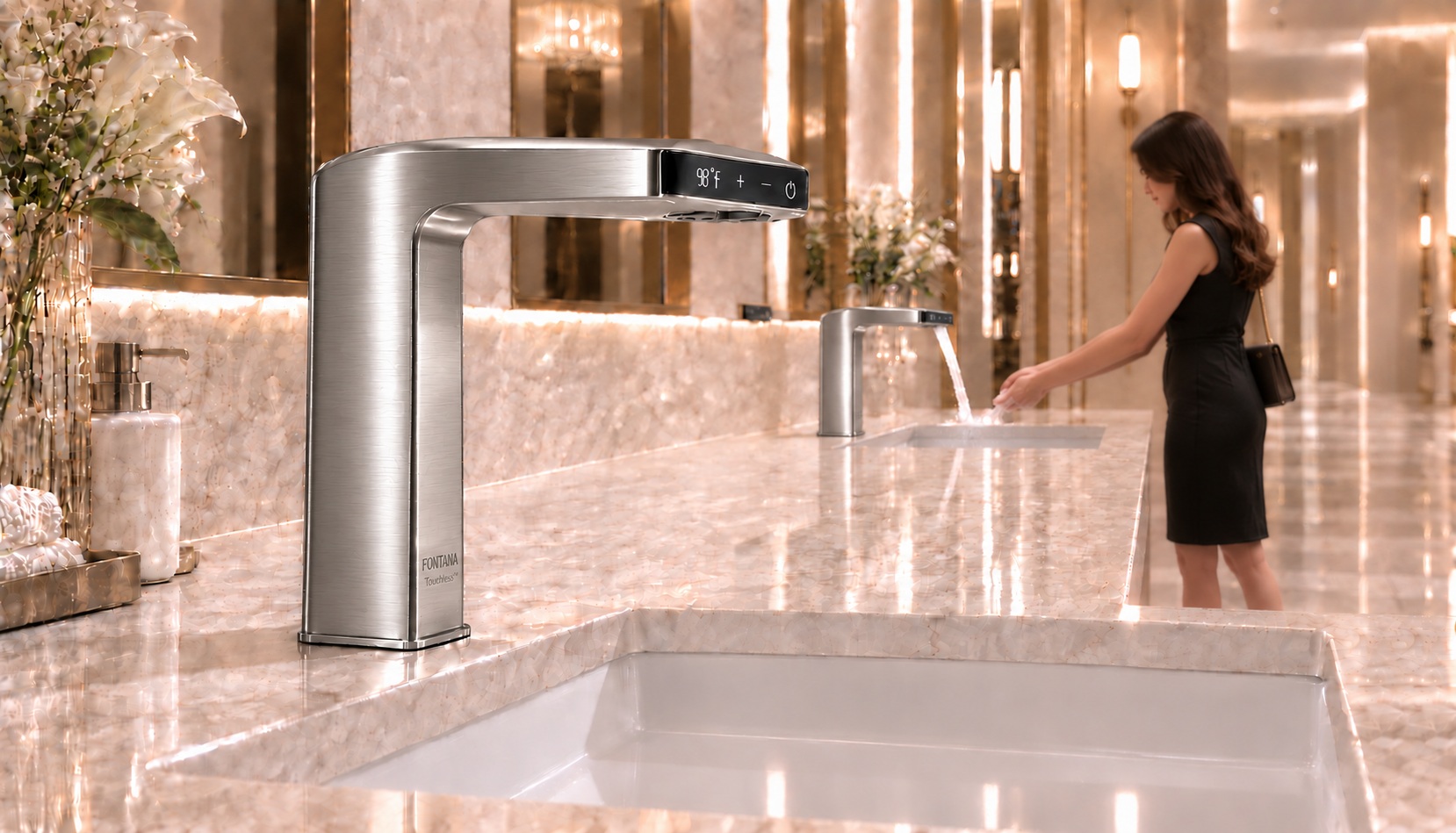
Placement plays a role in controlling waste. If an operating area is difficult to identify, visitors may move their hands repeatedly or stand in an awkward position while waiting for a response. If nearby elements are poorly aligned, material may land outside the intended area. Reviewing the complete station as a single arrangement helps designers identify these issues before installation.
The amount provided should suit the task. Too little can cause a person to repeat a step; too much can create unnecessary consumption and more frequent replenishment. Settings that can be reviewed and adjusted give facility teams a way to respond to actual patterns of use after the building opens.
Maintenance staff also benefit from predictable operation. When output is consistent, an unexpected change is easier to notice during a routine inspection. Clear access to supplies and working components helps staff address the cause before it becomes a recurring problem. Across a large property, that can make daily oversight simpler and reduce avoidable interruptions.
Responsible use is rarely the result of one feature alone. It comes from the relationship between placement, response, measured output, and ongoing care. When these decisions are considered together, the space can remain convenient for visitors while giving building teams better control over its daily operation.