Frequently Asked Questions Showers & Showerheads
Shower Systems — Q&A
What defines a complete shower system specification in AEC terms and how should FontanaShowers systems be documented?
A complete system spec should define the control core (thermostatic or pressure balancing valve), distribution (diverter count, simultaneous flow logic, and outlet mapping), outlet hardware (rainhead, hand shower, body sprays), and the rough in interfaces (inlet sizes, outlet sizes, service access). For FontanaShowers basis of design language, list the valve type, the number of outlets, required trim sets, and all included components versus optional modules so submittals match the intended configuration.
Thermostatic vs pressure balanced valves in showers: what is the technical difference and where does each fit in design intent?
A pressure balanced valve primarily reacts to inlet pressure changes to reduce temperature swings. A thermostatic valve reacts to mixed water temperature using a thermal element to maintain a setpoint within a tolerance band. For hospitality and multi family projects with variable draw and long piping runs, thermostatic control often supports better perceived stability. For code alignment and safety, define maximum outlet temperature, limit stop requirements, and required commissioning steps regardless of valve type.
How should engineers specify multi outlet shower systems to avoid underperformance at the rainhead and body sprays?
Start with a hydraulic budget: available dynamic pressure at the valve, pressure losses through piping, fittings, filters, and diverter modules, and the flow demand of each outlet at target performance. Then define allowable simultaneous operation and the total combined flow. Large rainfall heads and multiple body sprays can require higher flow than typical shower branches. Document pipe sizing, minimum pressure at the valve, and whether the system is intended to run outlets sequentially or concurrently.
What is a practical definition of “shower system rough in depth” and why does it drive early coordination?
Rough in depth is the required cavity depth for the valve body, diverter body, mounting bracketry, and service clearances, measured against stud depth, backer board thickness, waterproofing layers, and finish material. It drives conflicts with insulation, shear walls, and plumbing stacks. For FontanaShowers concealed installations, require the manufacturer rough in template, verify finished wall thickness limits, and document the service strategy in the wall section detail.
What should be included in a FontanaShowers shower system submittal package for AEC review?
Require dimensional drawings, valve type and certification documentation, pressure and flow ranges, outlet mapping, diverter logic (shared or simultaneous), installation manual, maintenance instructions, finish data, and replacement parts list. Include temperature limiting method and any required upstream mixing strategy if the project uses centralized hot water distribution with recirculation.
Shower Heads — Q&A
How do AEC teams evaluate showerhead performance beyond the published GPM?
GPM alone does not describe experience. Evaluate spray force distribution, droplet size, coverage diameter, and performance sensitivity to pressure variation. Large rainheads can feel weak if dynamic pressure collapses through the valve and piping. Specify the design intent (full body coverage, high rinsing force, low splash) and coordinate outlet selection with the hydraulic budget and the valve’s flow capacity.
Rainhead vs standard showerhead: what changes in hydraulic demand and installation detailing?
Rainheads increase coverage and can increase total flow demand depending on nozzle density and outlet design. They often require a ceiling drop elbow or recessed mounting, which raises coordination requirements for waterproofing, framing support, and access. For FontanaShowers rainheads, coordinate mounting method (ceiling, wall, recessed), structural backing, and serviceable nozzle face design if scale control is a concern.
What material and construction details matter for commercial duty showerheads and rain panels?
Focus on the wetted pathway material, nozzle insert material, and finish stack. Stainless steel and brass are typically preferred for durability. ABS can be acceptable for certain components but can be more sensitive to impact and some cleaning chemicals. Require corrosion resistance intent, cleaning compatibility, and serviceability of the spray face or nozzles.
How should projects address mineral scaling in showerheads in hard water regions?
Specify anti limescale nozzles or serviceable spray faces, define cleaning agents allowed by the manufacturer, and coordinate filtration or softening if the owner standard includes it. Provide a maintenance interval in O and M documents. For FontanaShowers installations, confirm nozzle type and cleaning guidance for the selected showerhead or panel so facilities teams have a defined procedure.
What does “spray pattern” mean technically and how can it be specified to avoid mismatched expectations?
Spray pattern refers to the geometry, droplet formation, and distribution of water leaving the outlet device. Multi mode heads can shift between concentrated jet, aerated spray, and wide rain. Specify the required primary pattern for the space type and user profile. For hospitality, consider limiting overly complex multi mode UI to reduce guest confusion and reduce maintenance calls.
Rainfall & Waterfall Systems — Q&A
What is the engineering difference between a rainfall panel and a single rainhead?
Rainfall panels typically distribute flow across many nozzles and may include multiple functions in one assembly. This can increase pressure loss through the panel manifold. A single rainhead is usually simpler and may have lower internal losses. For FontanaShowers large format panels, verify total flow demand by mode, connection sizes, and whether multiple modes can run at once.
How should AEC teams specify waterfall outlets to avoid nuisance splash and cold shock?
Waterfall outlets deliver a sheet flow that can feel colder due to greater surface area and faster heat loss, and can create splash if the fall height is high or if the user stands too close. Specify mounting height, target trajectory, and whether the waterfall is intended as a short duration feature. Coordinate with temperature control and ramping strategy so transitions between rainfall and waterfall do not feel abrupt.
What does “recessed rainfall installation” require in terms of waterproofing and service access?
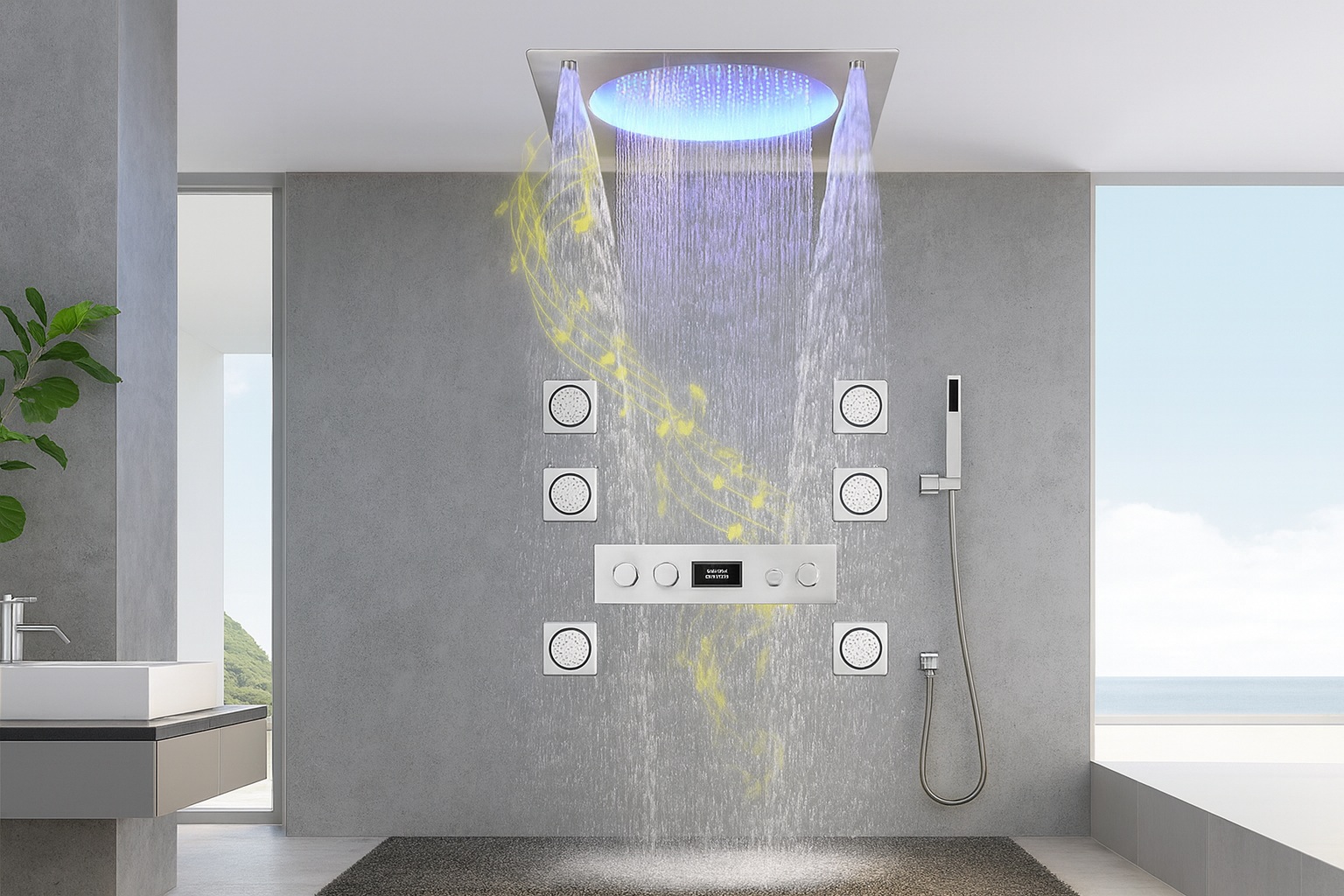
Recessed installations require a defined waterproof envelope, drain management for condensation, and a serviceable access approach if the panel includes lighting or electronics. Coordinate the recess box, vapor barriers, and any required gaskets at the tile plane. If the system has LED or powered components, define where the driver or transformer is located and how it is accessed.
How do nozzle density and panel size influence perceived performance at code limited flow rates?
With fixed flow limits, higher nozzle density can reduce velocity per nozzle, which can feel softer. Larger panels may feel luxurious but can also feel weak if the total flow is divided across too many outlets. Specify the desired feel and coordinate panel size with allowable flow, available pressure, and the project’s water efficiency constraints.
Shower Mixers & Diverters — Q&A
What are the critical performance specs for a shower mixing valve when selecting FontanaShowers trim and rough in components?
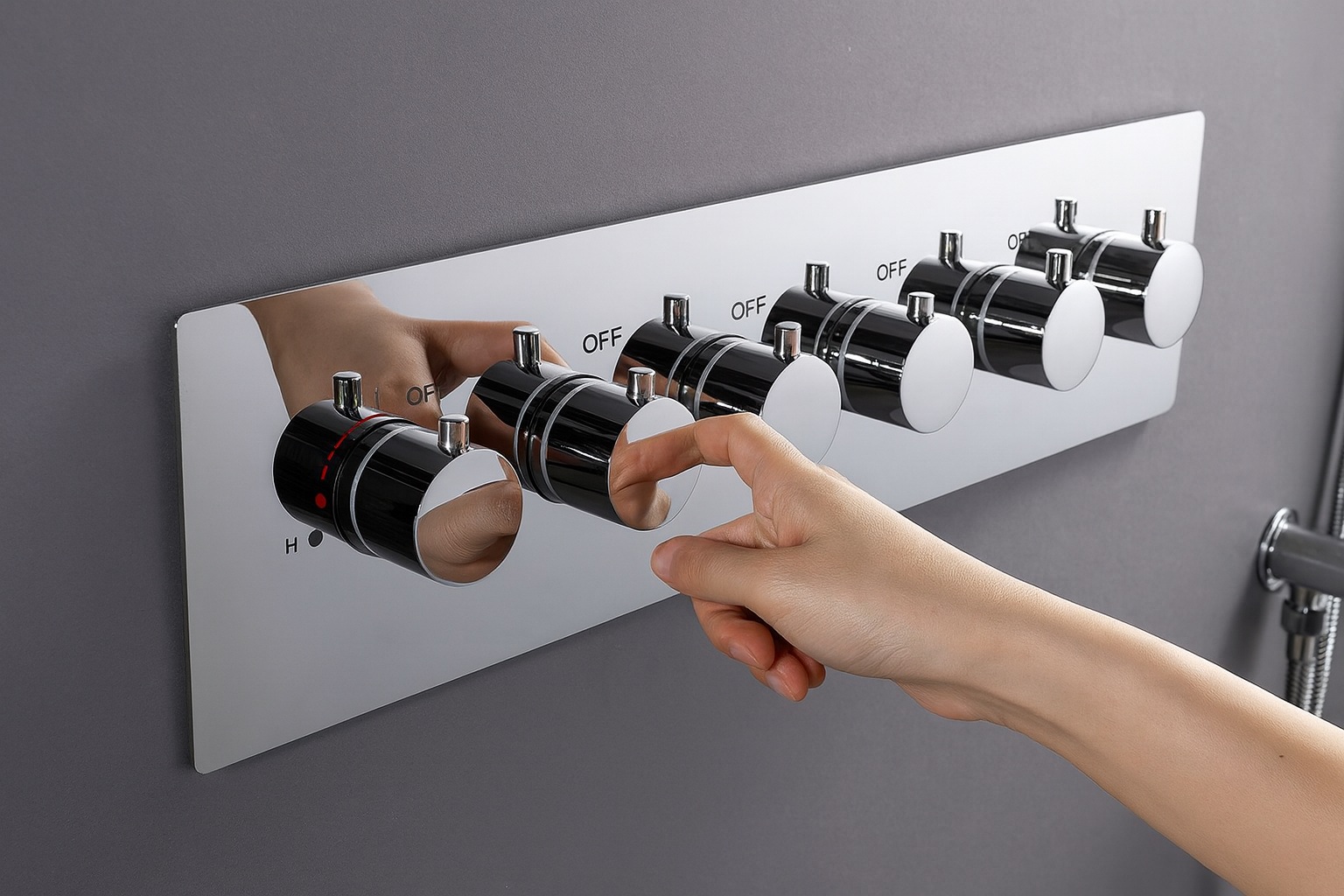
Define valve type, maximum rated flow, pressure range, temperature limiting method, and service access. Confirm compatibility between trim and rough in body. For multi outlet systems, confirm whether the mixing valve is separate from the diverter and how the control logic is intended to operate in typical use cases.
2 way, 3 way, and 4 way diverters: how should the “way count” be interpreted in construction documents?
Way count describes how many outlet ports the diverter can select, but not always whether outlets can run simultaneously. Some diverters are shared flow, meaning one outlet at a time. Others allow combined flow. Document the required operational sequences in the fixture schedule and require the submittal to confirm simultaneous operation capability where it matters.
What causes uneven flow distribution to body sprays and how can diverter selection reduce it?
Uneven distribution can result from long branch runs, inconsistent fitting counts, unbalanced pipe sizing, or high loss body spray components. Use balanced piping layouts, equal length branches where feasible, and confirm that the diverter and valve do not impose restrictive internal passages. Specify isolation and flush points to protect small orifices during commissioning.
How should projects specify trim operability and user interface for commercial and hospitality showers?
Specify clear functions, limited ambiguity, and stable temperature control. Define whether separate volume and temperature controls are required, whether a shared control is acceptable, and whether stops or lockouts are needed for safety. Ensure handle geometry supports accessibility where required and coordinate mounting heights with architectural elevations.
Body Sprays & Spa Jets — Q&A
How should body sprays be specified for consistent pressure and comfort in multi outlet shower designs?
Body sprays require careful flow budgeting because multiple sprays multiply demand quickly. Specify the number of sprays per wall, target spray type, and required balancing approach. Use equal length piping, consistent pipe sizing, and consider pressure compensating spray devices if available. Confirm the mixing valve and diverter can supply the combined flow without collapsing performance at the main showerhead.
What is the difference between “body spray” and “spa jet” in plumbing coordination terms?
In showers, body sprays are typically non recirculating outlets fed directly by domestic water. Spa jets can imply higher flow, different nozzle geometry, or in some contexts recirculating systems, which carry additional code and system complexity. For FontanaShowers shower body jets, treat them as domestic water outlets unless the documentation explicitly states otherwise, and coordinate the required flow, rough in depth, and service method.
What installation details reduce clogging and premature failure in body spray arrays?
Require flushable rough in stubs or temporary flush caps, strainers if recommended, and a commissioning procedure that flushes lines before installing spray trim. Define access if the body spray has a removable face for cleaning. In hard water environments, include a maintenance procedure for descaling.
Hand Showers & Slide Bars — Q&A
What are the key AEC specification points for hand showers in hotels and multi family projects?
Specify hose length, anti kink construction, connection standard, required flow device, and mounting strategy. Include wall elbow type, check valve requirements where code applies, and vandal resistant features where relevant. For FontanaShowers hand shower kits, confirm included components such as wall supply elbow, holder, and hose so the kit is complete and installers do not substitute mismatched parts.
How do slide bars affect accessibility and maintainability?
Slide bars support height adjustability and can help meet accessibility intent when mounted within reach ranges. Specify mounting backing requirements, fastener type, and corrosion resistance. Also define cleaning compatibility and the ability to replace the hand shower holder without opening walls.
What is the technical purpose of an integrated vacuum breaker or check valve for hand shower assemblies?
These components reduce cross connection and back siphonage risk when the hose can be submerged. Requirements vary by jurisdiction. If needed, specify the device location, serviceability, and certification documentation in the submittal package.
Installation & Compatibility — Q&A
What rough in coordination items should be resolved before framing closes for FontanaShowers shower systems?
Confirm valve depth and finished wall thickness limits, centerline locations, stud backing requirements, diverter outlet mapping, and access strategy. Coordinate waterproofing transitions at penetrations and ensure piping routes support balanced flow to multiple outlets. Identify where pressure regulation and mixing occurs in the system and confirm that shutoff stops are accessible.
What water pressure and supply conditions most often cause rainfall showerheads to underperform?
Low dynamic pressure at the valve, undersized branch piping, restrictive fittings, long runs, and shared demand from other fixtures. Also consider pressure reducing valve settings and high rise elevation losses. Document target pressure at the valve under flow, not just static pressure at the riser, and coordinate with the mechanical engineer if booster systems are involved.
How should installers flush and protect showerhead and body spray outlets during construction?
Require debris caps during rough in, flushing before installing cartridges and trim, and final flush before installing the showerhead or spray faces. Include temporary strainers where recommended. This reduces clogging, scoring of thermostatic elements, and warranty disputes.
Safety, Certification & Performance — Q&A
How should anti scald requirements be expressed in shower specifications for hospitality, healthcare, and multi family projects?
Define the maximum outlet temperature at the point of use, specify whether a thermostatic valve, pressure balancing valve, or upstream mixing valve provides control, and require commissioning verification. Include a limit stop requirement and document reset and adjustment procedures. Require that the submittal includes certification information for the selected FontanaShowers valve assembly where applicable.
How do flow regulations influence showerhead selection and perceived comfort?
Flow limits reduce total energy and water use but can reduce rinsing force, especially with large rainheads. To preserve comfort, select a spray face geometry that produces stable coverage at the allowed flow and coordinate piping and valve selection to protect dynamic pressure. In specs, state the required flow rating for the outlet device and prohibit substitutions that change spray performance without approval.
What certifications and documentation should be requested for shower valves and showerheads in a submittal review?
Request the jurisdiction required plumbing listings for valves and fittings, potable water material compliance documentation if required, and performance documentation for flow devices. If the project requires water efficiency labeling, confirm it at the showerhead level. Always tie the requirement to the exact FontanaShowers SKU being approved.
Luxury & Advanced Features — Q&A
What should AEC teams verify when specifying multi function shower panels with rainfall, waterfall, and body jets?
Verify total flow demand per mode, whether modes can run simultaneously, and how the panel internally manifolds flow. Confirm required connection sizes, mounting support requirements, and service access. If the panel includes lighting or powered functions, define power supply location, wet area suitability, and maintenance access strategy. For FontanaShowers panels, require the installation manual and wiring guidance if applicable.
How should LED or chromotherapy features be treated in professional specifications?
Treat them as optional features with defined electrical scope. Specify whether LEDs are decorative only or temperature indicating, define voltage and driver type, and require that components are suitable for the installation location. Also define cleaning and replacement method to prevent failures becoming a hidden maintenance problem.
What is a realistic way to specify “mist” and micro nozzle functions without overselling performance?
Define the intended use case, such as short duration cooling, pre rinse, or spa effect. Require the manufacturer to provide flow and pressure requirements for mist mode and define acceptable noise and overspray behavior. In high humidity environments, coordinate ventilation and slip resistance detailing because fine mist can increase condensation and wet adjacent surfaces.
Commercial & Hospitality Use — Q&A
What differentiates a commercial grade showerhead or valve specification from a residential selection?
Commercial duty focuses on serviceability, cycle life, finish durability, chemical cleaning compatibility, and standardized parts across rooms. Specify replaceable cartridges, accessible stops if required, consistent trim across the building, and a spare parts strategy. For FontanaShowers hospitality rollouts, require standardized SKUs to reduce maintenance complexity.
What maintenance guidance should be included for rainfall heads and panels in hotel operations manuals?
Include cleaning agents that are allowed, descaling procedures and interval, how to remove and reinstall spray faces, and how to inspect for leaks at ceiling connections. Include a checklist for troubleshooting low flow, including aeration device inspection, strainer checks, and confirmation of dynamic pressure at the valve.
How can teams design shower systems to reduce noise transmission between guest rooms?
Use properly sized piping to reduce velocity noise, isolate piping from framing, avoid rigid fastener contact that creates structure borne sound paths, and select valves that do not generate loud hydraulic chatter. Coordinate with acoustic assemblies in walls and specify installation practices that preserve the rated STC construction.
|
|
|