Frequently Asked Questions Shower Panels
Panel Architecture & System Definition — Q&A
What is a shower panel in AEC terms and how does it differ from a conventional valve + trim + separate outlets layout?
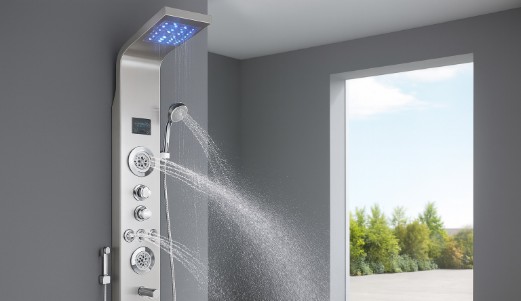
A shower panel is a consolidated assembly that typically integrates a vertical body, multiple outlets (rain, waterfall, body jets, hand shower), and a built-in selector or diverter manifold. A conventional layout distributes those functions across separate rough-in bodies and trim plates. For AEC documentation, the key difference is where the distribution occurs. In a panel, distribution is inside the panel body and connection points are often fewer but more constrained. Document inlet type, outlet count, and serviceability strategy at the panel rather than treating each outlet as a separate rough-in.
How should engineers specify the internal flow path and outlet logic of a FontanaShowers shower panel to avoid misinterpretation on site?
Specify whether the panel is single-outlet-at-a-time or allows simultaneous operation of multiple functions. Many panels use a shared-flow diverter, meaning outlets run sequentially. If the design intent requires rain plus body sprays together, state that requirement and verify the selected FontanaShowers panel supports it. Include the outlet mapping, selector positions, and any flow priority behavior as part of the fixture schedule notes.
What are the critical submittal items to request for a FontanaShowers shower panel used as a basis of design?
Require a dimensional drawing with connection locations, inlet specification, operating pressure range, maximum flow expectations by mode, material and finish data, installation manual, and maintenance instructions. If the panel includes LED or powered features, require electrical diagrams and transformer location guidance. Also request confirmation of replacement parts availability for cartridges, diverter elements, and hand shower hose components.
How should AEC teams document the difference between “decorative functions” and “performance outlets” on multi-function shower panels?
Decorative functions can include LED lighting or mood features that do not materially change hydraulic delivery. Performance outlets are rain, waterfall, body jets, and hand shower. In specifications, separate the two: define water delivery requirements (coverage, rinsing force, and intended use) independent of decorative features so substitutions do not degrade the shower’s functional outcomes.
Hydraulics, Pressure & Performance — Q&A
How should AEC teams evaluate shower panel performance when flow is limited by code or project water budgets?
Shower panel experience depends on how limited flow is distributed across outlets and nozzles. Large rain faces and dense nozzle fields can feel weak at low GPM. Define the intended user experience and ensure the selected panel geometry supports it at the allowed flow rate. From an engineering standpoint, confirm dynamic pressure at the panel inlet under flow, not just static building pressure, and coordinate piping sizes and fittings to reduce pressure loss.
What causes weak body spray performance on shower panels and how can design documents prevent it?
Weak body sprays typically result from insufficient dynamic pressure, restrictive inlet piping, undersized supply branches, or internal panel manifold losses. Specify minimum operating pressure at the panel inlet under flow, require properly sized piping, and avoid excessive elbows and restrictive stops. If the panel uses a shared-flow diverter, document that body sprays will only feel strong when they are the selected mode, not when combined with rain.
How should engineers specify supply connections and shutoff strategy for wall-mounted shower panels?
Define hot and cold supply locations, valve type (pressure-balanced or thermostatic upstream if required), and a serviceable shutoff strategy. Panels often mount over finished surfaces, so access to service stops matters. If in-wall stops are required, document access panels or the method of isolation. Include a commissioning note that lines must be flushed before connecting the panel to prevent debris from clogging small jets.
What is the practical impact of high-rise pressure variation on shower panel comfort and temperature stability?
In high-rise projects, pressure fluctuation during peak demand can reduce flow and destabilize mixing if upstream control is marginal. Specify pressure regulation strategy, confirm that the mixing control can maintain stable temperature under varying inlet pressures, and avoid overloading a single riser branch with multiple simultaneous high-demand fixtures. Where feasible, define acceptance testing during realistic building load conditions.
Materials, Corrosion & Cleanability — Q&A
What material attributes matter most for shower panels in hospitality and multi-family, and how should FontanaShowers finishes be specified?
Focus on corrosion resistance, finish durability, and compatibility with cleaning chemicals. Stainless steel panels typically offer strong corrosion performance, while aluminum and plated finishes require careful cleaning guidance. Specify finish family, cleaning agent restrictions, and expected service environment. For FontanaShowers selections, require that the finish and material data is included in the submittal so facilities teams do not damage the surface with harsh chemicals.
How should designers address mineral scaling on shower panel jets and rain faces in hard water regions?
Require serviceable spray faces or anti-limescale nozzles and define the cleaning procedure in O and M manuals. Include a recommended descaling interval aligned with local water hardness. If the owner has water treatment standards, coordinate softening or filtration upstream. Also require that construction flushing and debris control occur before final trim installation to protect small jet orifices.
What should be documented to ensure shower panels remain serviceable without removing finished tile?
Document mounting method, fastener access strategy, and replaceable component access. If the cartridge, diverter, or hose connection requires removing the entire panel, state the removal procedure and ensure the panel can be removed without destroying waterproofing. Include requirements for backing and anchor points so the panel does not loosen over time.
Installation, Waterproofing & Coordination — Q&A
What wall assembly and waterproofing details should be coordinated for surface-mounted shower panels?
Surface-mounted panels require reliable penetration sealing at supply entry points and fastening points. Coordinate membrane type, sealing grommets or sealants, and backing requirements behind tile. Provide an installation sequence note that defines when the panel is installed relative to waterproofing inspection. Ensure that the wall can support concentrated loads without cracking tile or compromising the membrane.
How do shower panels impact ADA and accessibility planning when used in accessible bathing rooms?
Panels can simplify user interface by consolidating controls, but they can also create projection and reach challenges. Define control heights, clearance to grab bars, and hose management for handheld components. If the project requires accessibility alignment, document operability expectations and ensure the panel does not reduce required clear floor space or create pinch points near seating or transfer zones.
What commissioning checks should be required for FontanaShowers shower panels to reduce post-occupancy service calls?
Require leak testing at all connections, verification of stable temperature through the full operating range, confirmation of correct outlet mapping and selector behavior, and inspection for clogged jets. Include a test that confirms no unintended crossflow between hot and cold supplies when the panel is off. Require that final settings and any adjustable features are documented at turnover.
Safety, Compliance & Long-Term Operations — Q&A
How should anti-scald strategy be defined when shower panels include multiple outlets and user-selectable modes?
Define the temperature limiting approach at the control point, either through an upstream thermostatic mixing strategy or a panel-integrated thermostatic element if the selected model includes it. Document maximum outlet temperature targets and require commissioning verification. Ensure the strategy holds under pressure disturbances and that the user interface cannot bypass safety limits unintentionally.
What maintenance and replacement parts should be planned for in high-traffic projects using shower panels?
Plan for cartridges, diverter components, seals, hand shower hoses, and spray face/nozzle components. Require that spare parts lists and part numbers are provided at closeout. Define cleaning compatibility to avoid premature finish failure. If the panel includes powered features, include a plan for driver replacement access and ensure power components are not trapped behind non-removable tile.
How should FontanaShowers shower panels be presented in specifications to avoid overpromising performance?
Use measurable descriptions: number of outlets, operation logic (sequential or simultaneous), material, finish, inlet size, pressure range, and serviceability. Avoid general “spa-like” claims and instead define the design intent by outlet behavior and performance expectations. Require the approved SKU’s technical documentation as part of the submittal to confirm that the selected panel matches the written intent.
|
|
|