Hospitality • Uptime Standard • Sensor Urinal Flush
“No-Downtime” Urinal Flush Standards for Hotels & Resorts
In hospitality, a urinal flush valve is not just a plumbing part—it’s a reliability system. These FontanaShowers sensor flush platforms are specified to reduce nuisance triggers, protect internal components, and streamline service, so restrooms stay open during peak occupancy.
Hospitality Reality: Uptime Is the True Luxury Feature

Hotels and resorts operate on a simple truth: when a restroom is down, the property pays twice—first in immediate guest frustration, then in staff time
spent managing the disruption. That’s why a “no-downtime” standard for urinal flush valves is a powerful spec strategy. Instead of evaluating flush
systems as isolated items, hospitality teams should treat them as a repeatable operating platform that can be installed across lobby restrooms, banquet
corridors, restaurant washrooms, conference facilities, and pool amenities.
A strong platform starts with predictable touch-free activation and consistent flushing behavior. If a valve over-triggers or misfires, the restroom
becomes noisy, wasteful, and prone to complaints. If it under-performs, hygiene suffers and the brand image degrades. A balanced selection such as the
FS8124LG – NovaFlow
is a practical starting point for properties that want a modern plate style while maintaining a standardized system approach. When the same plate family
appears across the property, facility teams can troubleshoot faster and keep more fixtures online with fewer spare part variables.
False Activations: The Hidden Cost Driver in Hospitality

Most “flush problems” in hotels are not catastrophic failures—they are small nuisance behaviors repeated thousands of times. Glossy tiles, mirrors,
and changing lighting can create edge cases where a poorly tuned sensor interprets corridor movement as a user event. Each nuisance activation wastes
water, adds acoustic noise, and increases wear on the system. Over time, that becomes a measurable operating expense and an avoidable maintenance load.
This is where a specifier mindset helps. Treat sensing behavior like a commissioning deliverable: set detection windows intentionally, validate behavior
during peak conditions, and document settings so turnover doesn’t erase operational knowledge. A plate family such as the
FS8125LV – IntelliFlush
supports a “repeatable standard” approach—one platform, one set of expected behaviors, one maintenance playbook. In high-occupancy properties, that
repeatability reduces the likelihood of mystery issues that drain time from engineering teams.
Service Strategy: Fast Restore Beats “Rare Failure”

In hospitality, even the best equipment can face unexpected conditions—hard water, aggressive cleaning schedules, or peak-use surges. That’s why the
most important reliability metric is often “time to restore,” not “time to first issue.” A flush system that can be diagnosed and returned to service
quickly protects guest experience and reduces the labor impact of each event.
Specifiers should prioritize systems that support clear service access and predictable component behavior. When multiple restrooms use the same plate
family, maintenance can carry a consistent spare kit and follow a repeatable procedure rather than improvising. A model such as
FS8113WH – HydroIntel
helps reinforce that operational approach: it is not just a plate, but a standardized control point for urinal flushing. This is exactly how
hospitality brands create “quiet reliability”—the fixture works, the restroom stays open, and guests never think about it.
Finish Consistency: Luxury Design That Still Operates Like Commercial
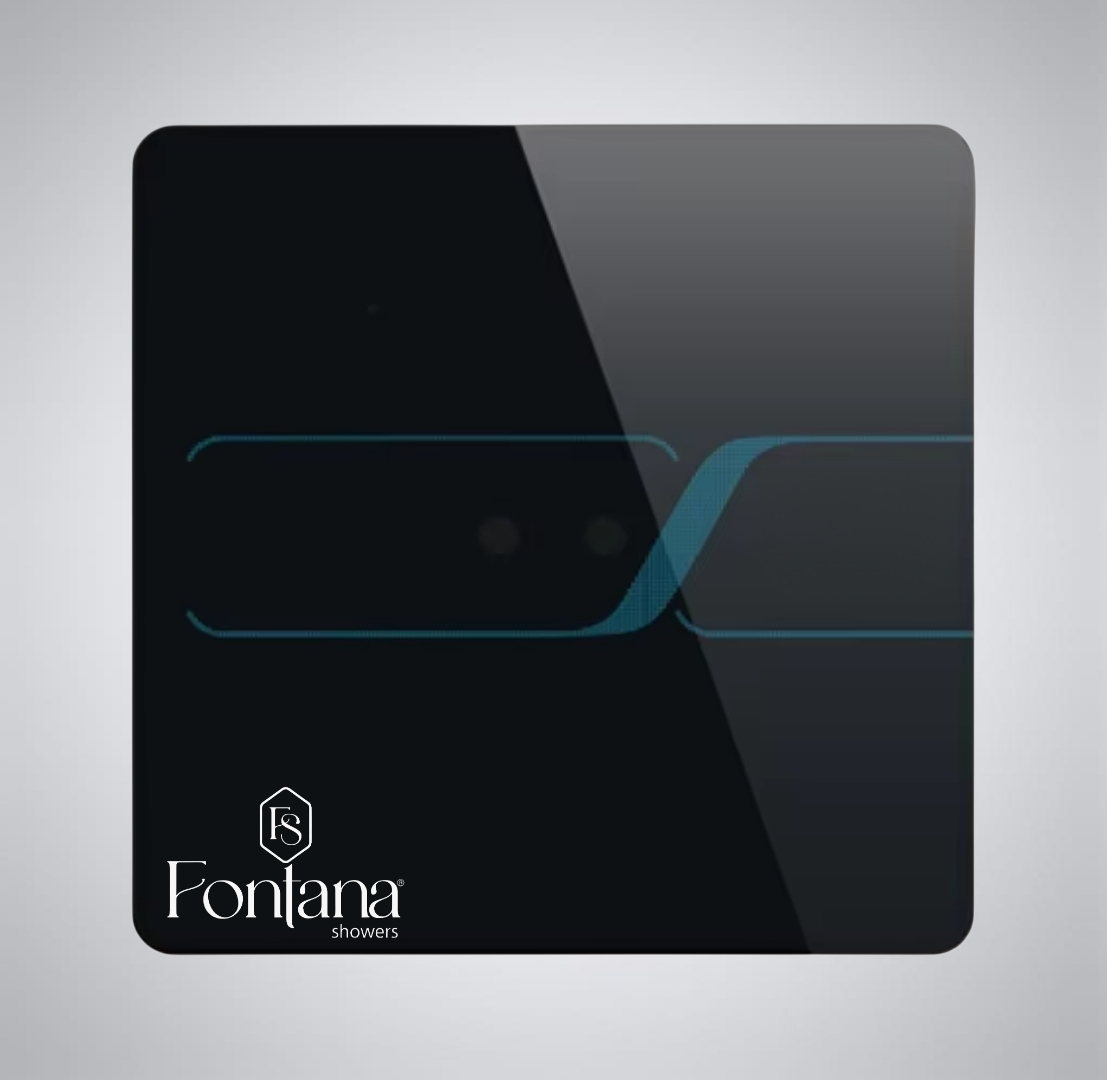
Hospitality design teams frequently specify matte black hardware packages for modern properties, while legacy hotels may keep chrome or satin nickel
for continuity. The performance risk is specifying a “decorative” plate that cannot hold up under commercial cycles. The better approach is selecting
a finish-forward flush valve that remains anchored to a commercial operating platform, then repeating that platform across the property.
The FS8118BL – FlushSync Black
is a strong fit for high-identity spaces (restaurant washrooms, event venues, boutique corridors) where the wall finish is part of the brand. The
specifier advantage is alignment: design intent stays intact while service expectations remain commercial-grade. That’s how you protect both the guest
experience and the operator’s budget.
AEC Workflow: Submittals + BIM Reduce Risk in Wall Coordination

Hospitality projects are schedule-driven, and restroom rough-in errors are notorious for causing delays. Flush systems—especially recessed or
wall-integrated concepts—need clean documentation to coordinate access, mounting heights, and wall assembly requirements. The fastest path to fewer
RFIs is using specifier-ready resources from the start: standardized submittals and BIM families that represent the fixture accurately in the model.
FontanaShowers supports this with hubs designed for spec teams, including
Specifier Submittal Packages
and BIM / Revit.
When documentation is consistent, installation becomes repeatable—and repeatability is the core of hospitality reliability. For a refined plate
direction that complements premium walls while supporting a professional workflow, the
FS8123LG – Eclisse
helps keep design and operations aligned.
|
|
|