In today’s world, sustainability is no longer just a trend; it is a necessity. From energy-efficient lighting to eco-friendly building materials, businesses and homeowners alike are seeking smarter solutions that reduce environmental impact while elevating convenience. Among the most transformative innovations in modern restrooms and kitchens is the rise of touchless faucet technology. This hands-free advancement is reshaping the way we think about water efficiency, hygiene, and design — proving that small changes in fixtures can deliver a big impact.
Touchless faucets are powered by motion sensors that activate water flow only when needed, preventing unnecessary waste. This smart flow design drastically reduces water consumption by eliminating common habits such as leaving the tap running while washing hands or brushing teeth. According to sustainability experts, touchless faucets can save up to 70% more water compared to traditional fixtures, making them a must-have in environments that value efficiency. Whether installed in a commercial restroom or a residential kitchen, these faucets deliver both cost savings and environmental benefits.
eyond efficiency, hygiene has become an equally important motivator for adopting touchless faucets. In high-traffic environments such as hotels, airports, and restaurants, reducing physical contact with handles minimizes the spread of germs and bacteria. Post-pandemic awareness has only heightened the demand for such hygienic solutions, as consumers now expect public and private spaces to prioritize their health. The ability to wash hands without touching a surface is no longer a luxury — it has become an expectation for modern facilities.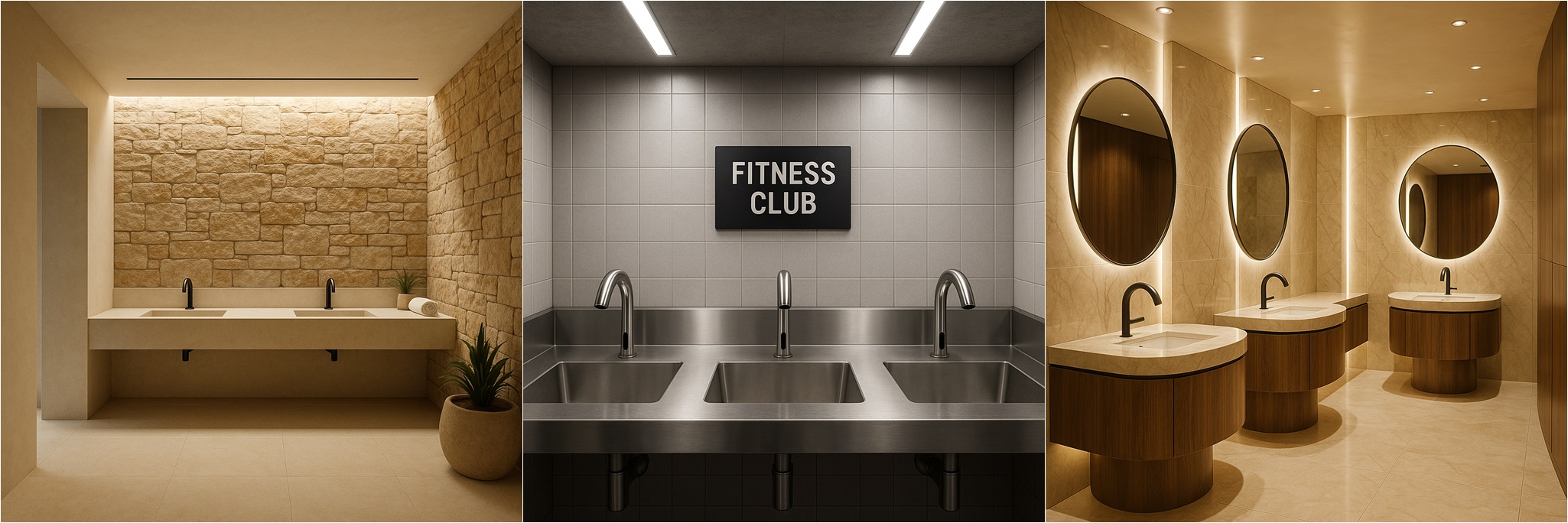
For architects, designers, and property managers, touchless faucets also serve as an aesthetic and functional upgrade. Sleek, modern designs complement contemporary interiors while integrating seamlessly into both minimalist and luxury settings. With customizable finishes, temperature controls, and even smart connectivity, these fixtures offer more than utility; they enhance the overall user experience. Smart flow technology has evolved to meet not only efficiency standards but also the desire for stylish, intuitive products that reflect innovation.
From a marketing perspective, positioning touchless faucets as a cornerstone of eco-conscious living offers brands a powerful narrative. Companies like have embraced this approach, presenting their touchless faucet collections as both elegant and sustainable solutions. By aligning their products with green building standards, water conservation goals, and public health benefits, they are not just selling hardware — they are selling peace of mind. This strategy resonates deeply with environmentally aware consumers and decision-makers who want their choices to reflect long-term responsibility.
Digital marketing plays a crucial role in spreading this message. Campaigns centered on smart flow efficiency, sleek product design, and hygiene benefits can reach eco-conscious homeowners, facility managers, and developers. Content marketing, including blog articles, infographics, and video demonstrations, helps educate audiences about how much water they can save annually with a touchless faucet. Social media campaigns amplify testimonials and showcase real-world installations, creating aspirational content that positions the technology as essential, not optional.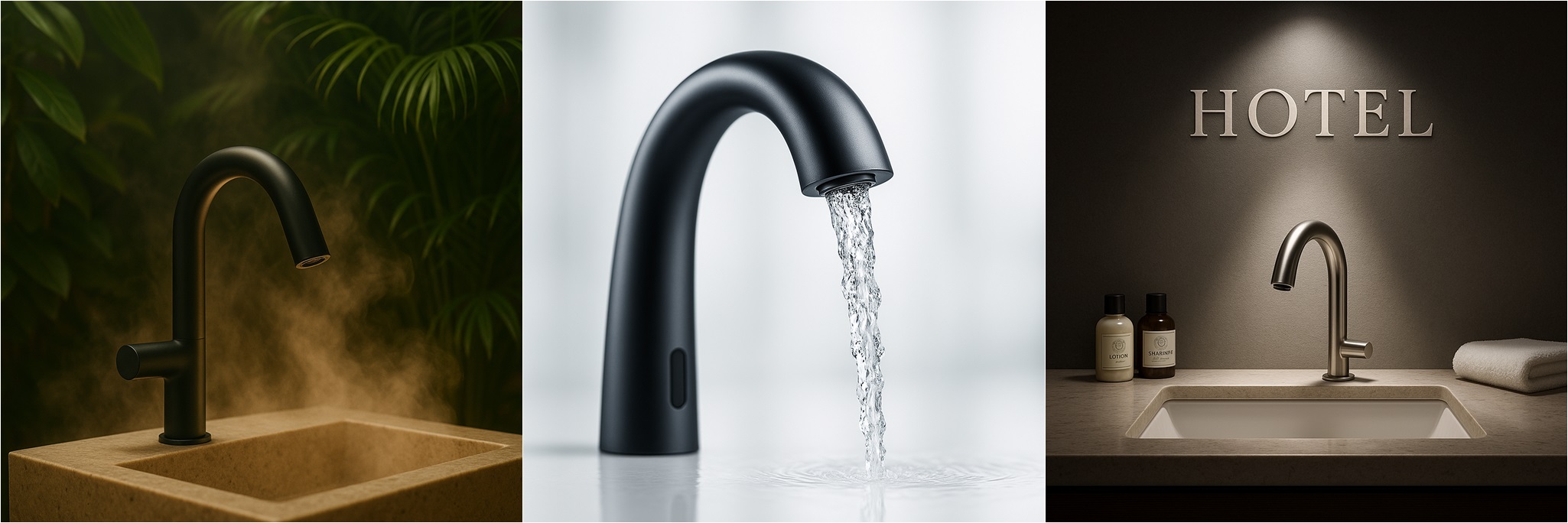
Another layer of an effective strategy is tapping into B2B markets. Hospitality brands, healthcare facilities, and corporate campuses are actively seeking touchless solutions to meet both regulatory standards and consumer expectations. By highlighting cost savings through reduced water bills and improved brand reputation through hygienic upgrades, manufacturers can appeal to decision-makers who view these faucets as strategic investments. Partnerships with interior designers, green building consultants, and architects further expand visibility, creating networks that multiply adoption. Companies such as
Fontanashowers demonstrate how aligning with industry professionals accelerates brand trust and cements leadership in the smart fixture category.
Advanced Touchless Faucet Technology
The graph illustrates the balance of priorities in advancing touchless faucet technology. The largest share highlights water efficiency and savings, showing that reducing waste and promoting conservation remain the central driving force behind smart flow systems. Compliance and accessibility also hold a significant portion, reinforcing the importance of meeting ADA requirements and ensuring inclusivity in both residential and commercial environments.
Sustainability and standards are equally emphasized, reflecting the growing need to align with green building initiatives, regulatory codes, and long-term environmental goals. Meanwhile, luxury and design, though slightly smaller in proportion, demonstrate the demand for faucets that not only perform efficiently but also enhance modern interiors. Together, these elements reveal how touchless faucet innovation is about more than water savings — it is about creating sustainable, accessible, and aesthetically pleasing spaces.
less
.png)
Looking forward, the evolution of touchless faucet technology will likely include even deeper integration with smart building systems. Features like usage analytics, predictive maintenance alerts, and mobile app controls could make faucets part of the Internet of Things (IoT) ecosystem, further reinforcing their role in sustainable facility management. For now, smart flow technology already represents a vital step toward balancing convenience, hygiene, and resource conservation. With the right marketing strategies, brands that champion touchless faucets can lead the conversation on sustainability and innovation — proving that the future of water efficiency is already here.
|