When considering whether to install sensor or manual faucets for a restroom renovation project, facility managers should weigh several factors to make an informed decision. Here's a guide to help navigate this choice:
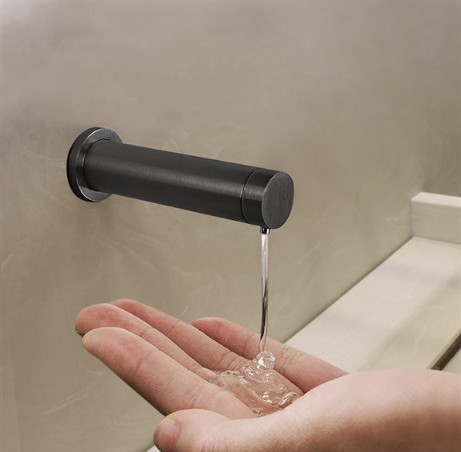
Hygiene: Sensor faucets, also known as touchless faucets, offer a significant advantage in terms of hygiene. They minimize contact with surfaces, reducing the spread of germs and bacteria. In high-traffic restrooms or facilities with strict hygiene standards, sensor faucets are often preferred for their ability to promote cleanliness.
Water Conservation: Both sensor and manual faucets can be designed for water conservation. However, sensor faucets have the added benefit of automatic shut-off features, ensuring that water is not wasted when the faucet is not in use. This can contribute to significant water savings over time.
Ease of Use: Sensor faucets are user-friendly, especially for individuals with limited mobility or dexterity issues. They require no physical contact to operate, making them accessible to a wide range of users. Manual faucets may require twisting or pushing, which can be challenging for some individuals.
Maintenance: Sensor faucets generally have fewer moving parts compared to manual faucets, leading to lower maintenance requirements and reduced chances of mechanical failure. However, sensor faucets do require periodic maintenance of the sensor components and batteries, if applicable.
Cost: Sensor faucets are typically more expensive upfront due to their technology and installation requirements. Facility managers should consider their budget constraints and weigh the initial investment against potential long-term benefits such as water savings and reduced maintenance costs.
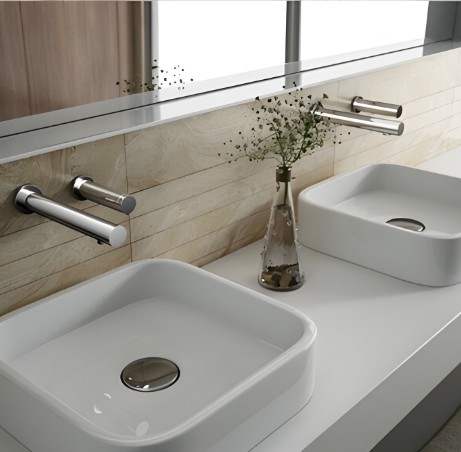
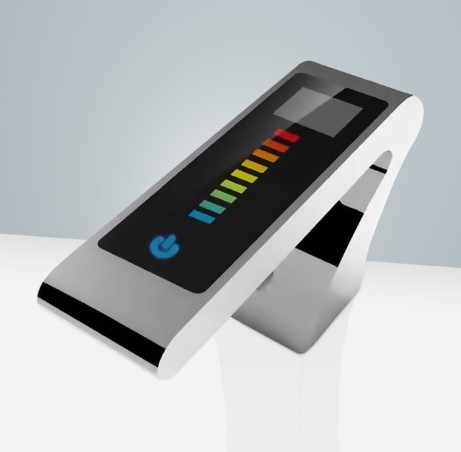
Aesthetics and Design: Both sensor and manual faucets come in a variety of designs and finishes to complement the restroom's aesthetics. Facility managers should consider the overall design theme of the restroom and choose faucets that blend seamlessly with the decor.
User Preference: It's essential to gather feedback from restroom users or occupants to understand their preferences. Some users may prefer the convenience of sensor faucets, while others may be more comfortable with manual faucets.
In summary, here are the key considerations for facility managers when deciding between sensor and manual faucets for a restroom renovation project:
Hygiene: Sensor faucets promote cleanliness by minimizing contact.
Water Conservation: Sensor faucets can contribute to water savings.
Ease of Use: Sensor faucets are user-friendly, especially for individuals with mobility issues.
Maintenance: Sensor faucets have lower maintenance requirements.
Cost: Sensor faucets are initially more expensive but may offer long-term benefits.
Aesthetics: Both sensor and manual faucets come in various designs.
User Preference: Gather feedback from users to understand their preferences.
Ultimately, the decision should align with the specific needs, budget, and priorities of the facility undergoing renovation.