Facility managers often choose touchless sensor faucets over manual faucets for restroom renovation projects due to several compelling reasons:
Hygiene and Health: Touchless sensor faucets significantly reduce the risk of germ transmission by eliminating the need for users to touch the faucet handles. This is particularly crucial in high-traffic restrooms and healthcare facilities where maintaining high levels of hygiene is a top priority.
Reduced Water Wastage: Touchless sensor faucets are equipped with sensors that detect motion, allowing water to flow only when needed. This automated feature helps conserve water by preventing wastage from faucets left running accidentally or for extended periods.
Ease of Use: Sensor faucets are user-friendly, especially for children, elderly individuals, and people with disabilities. They require no physical effort to operate, making them accessible to a wide range of users and improving overall restroom accessibility.
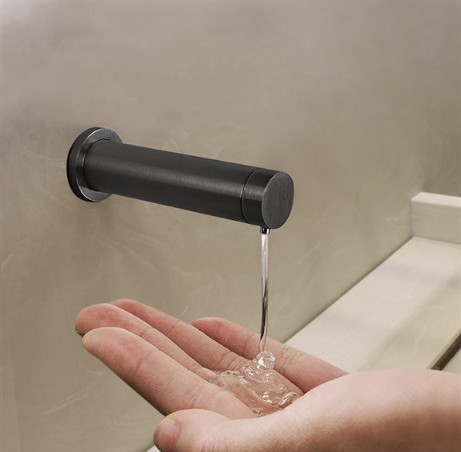
Convenience and Efficiency: Touchless sensor faucets offer convenience and efficiency by providing quick and hands-free water access. Users can simply place their hands under the faucet, triggering the sensor to activate the water flow instantly.
Maintenance and Durability: Sensor faucets typically have fewer moving parts compared to manual faucets, resulting in lower maintenance requirements and reduced chances of mechanical failure. This translates to cost savings and increased reliability over time.
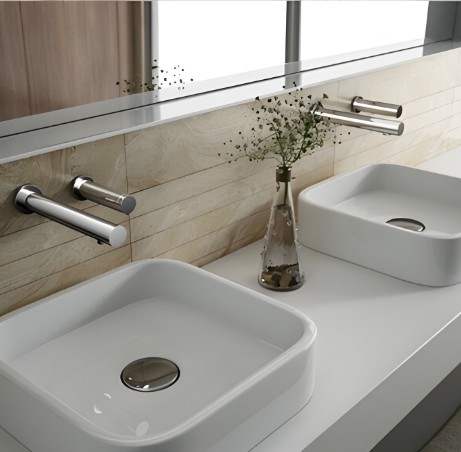
Modern and Aesthetic Appeal: Touchless sensor faucets contribute to a modern and sleek restroom design, enhancing the overall aesthetics and creating a more sophisticated and welcoming environment for restroom users.
Compliance and Standards: Many regulatory bodies and building codes recommend or require the use of touchless sensor faucets in certain types of facilities, such as healthcare settings, to meet hygiene standards and ensure user safety.
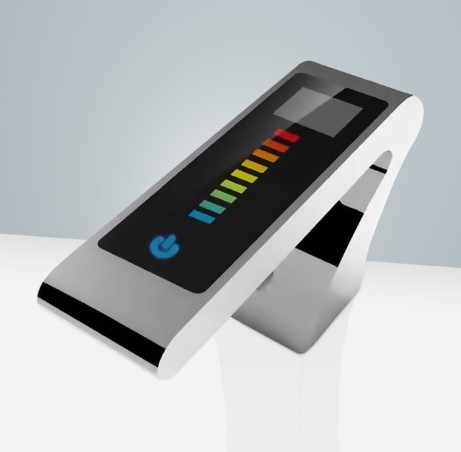
Data Collection and Analysis: Some advanced touchless sensor faucets are equipped with technology that allows facility managers to collect data on water usage patterns. This data can be analyzed to identify trends, optimize water consumption, and implement efficient maintenance schedules.
In summary, facility managers choose touchless sensor faucets for restroom renovation projects because they offer superior hygiene, water conservation, ease of use, convenience, durability, modern aesthetics, compliance with standards, and potential data-driven insights. These faucets align with the evolving needs of facilities seeking to create cleaner, more efficient, and user-friendly restroom environments.