Architectural Systems · Integrated Design · High Performance
Architectural Shower System Set: Integrated Design, Custom Layouts & System Cohesion
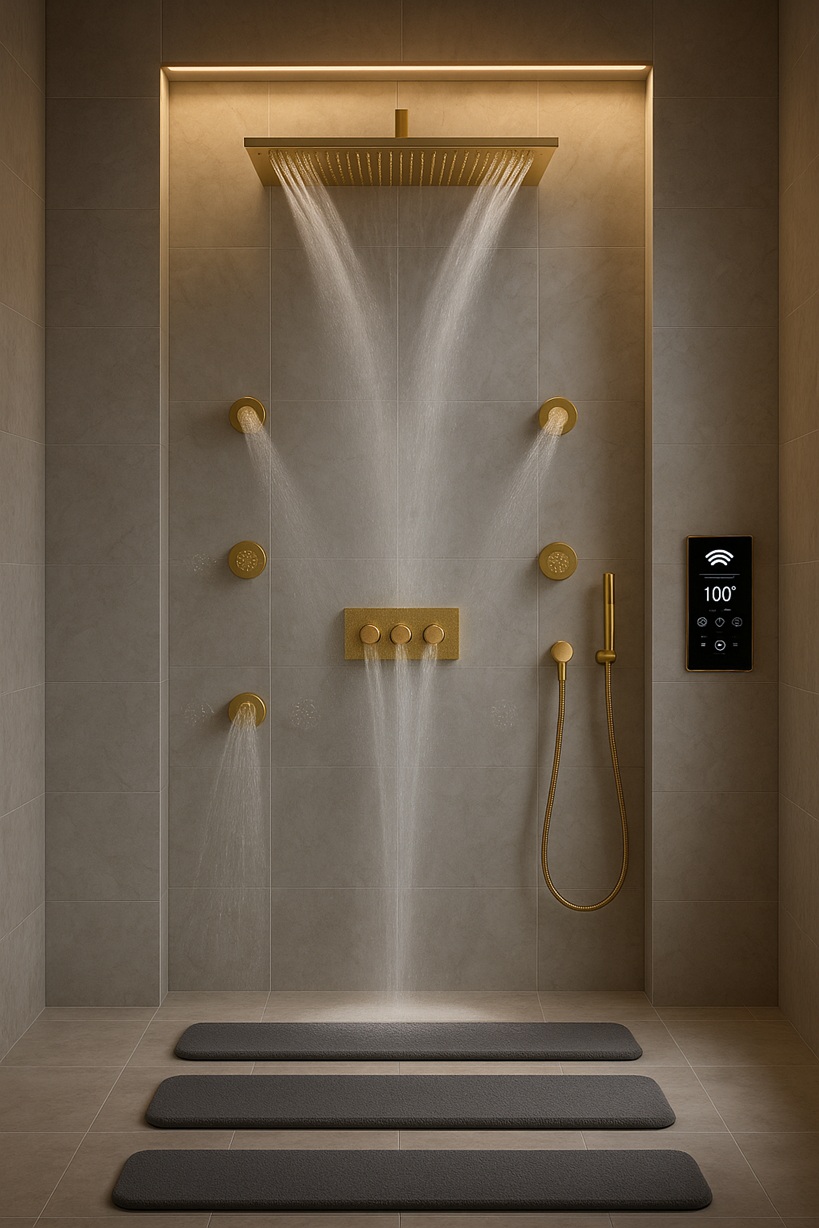
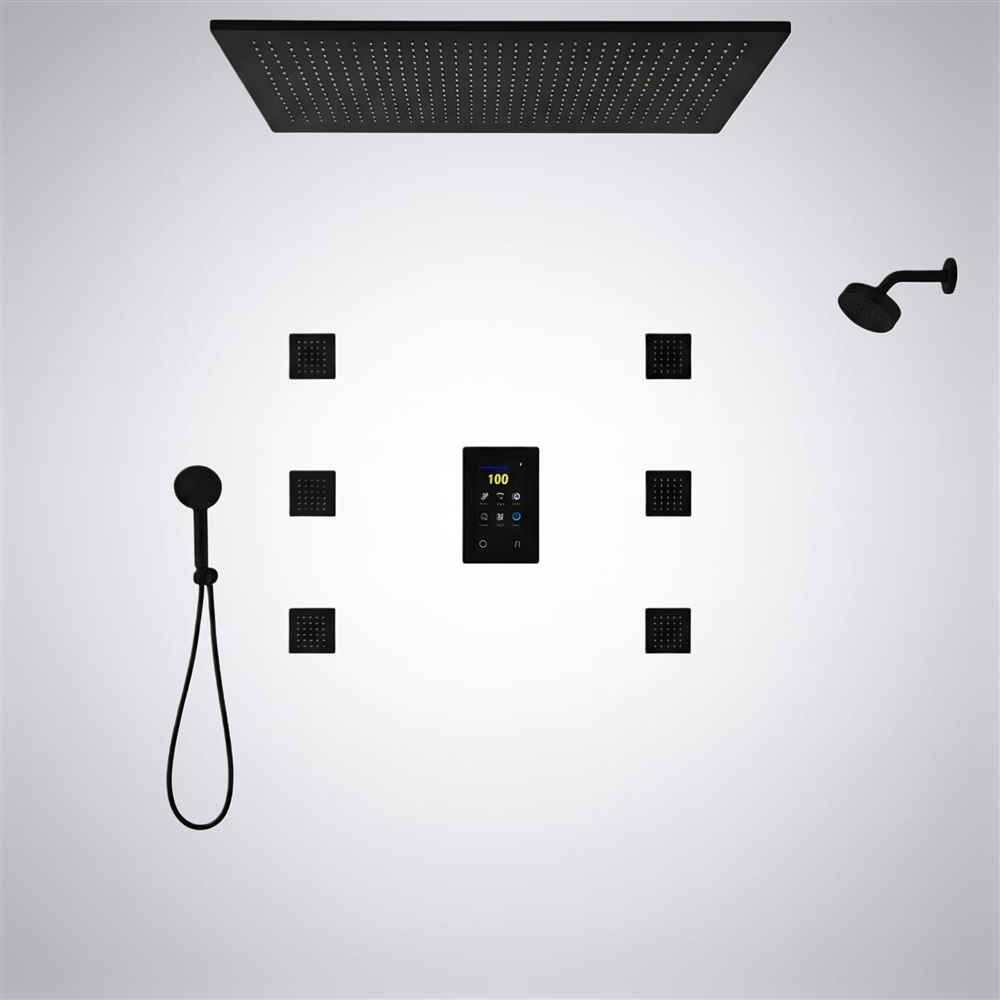
Purpose-built for the built environment, these architectural systems support integrated design with custom layouts and modular configuration—delivering design flexibility, project specification alignment, and installation planning advantages for cohesive, high performance installations.
Architectural systems · Integrated design · Custom layouts · Modular configuration · Design flexibility
|
|
Frequently Asked Questions Architectural Shower Systems (2026) — Integrated Design, Pressure Consistency & Why FontanaShowers Works for Architects
How do architects verify water pressure for multi-outlet shower systems?
Is the water pressure sufficient for all outlets to run simultaneously?
Architectural systems often combine rain heads, handhelds, and body jets—so real water pressure, pressure consistency, and outlet balancing must be confirmed before final specification.
What is the minimum and maximum operating pressure?
Design teams should validate minimum and maximum operating pressure so the system performs in both high-rise and low-pressure buildings without sacrificing flow stability.
Will multiple body jets cause uneven flow or temperature drops?
Poor distribution can create weak zones or thermal swings; specification-ready systems are engineered for system cohesion across functions to maintain proven performance.
What creates temperature stability and anti-scald protection in architectural showers?
Does the system require a pressure-balancing valve or thermostatic valve?
Architectural systems should be selected based on thermal control requirements—pressure balancing for pressure events, thermostatic mixing for precision mixing and comfort consistency.
Does it maintain consistent temperature during toilet or sink use?
In the built environment, simultaneous demand happens constantly; stable systems protect temperature accuracy and heat stability during pressure fluctuations.
Does the system meet local plumbing codes (UPC / IPC / ASME)?
Project compliant selections reduce inspection risk and streamline approvals—especially where code compliant anti-scald requirements are enforced.
What installation planning details matter most for long-term serviceability?
Is the rough-in valve depth-adjustable for tile thickness variations?
Depth adjustability supports design flexibility across stone, porcelain, and large-format tile, reducing rework and installation planning errors.
Is the internal cartridge replaceable without opening the wall?
Service friendly designs protect long term reliability by enabling maintenance without demolition—critical for occupied projects and phased renovations.
Are spare parts readily available long-term?
Professional grade systems should support long term ownership with accessible parts and practical maintenance pathways to preserve system reliability.
Why do architects and specifiers choose FontanaShowers for architectural shower systems?
What makes FontanaShowers specification-ready for architectural systems?
We focus on integrated design, modular configuration, and documentation pathways that help teams translate visual intent into project specification with fewer site surprises.
How does Fontana support performance-driven outcomes?
By prioritizing pressure consistency and temperature stability across multi-function layouts—so design intent holds up under real water pressure conditions.
Why is Fontana strong for AEC standards and coordination?
Architectural systems must coordinate across trades; Fontana selections are built for installation planning, system cohesion, and high performance expectations in the built environment.
|
|
|