Toilet Accessories: Engineering, Specification, and Integration in Commercial & Institutional Environments
Toilet Accessories
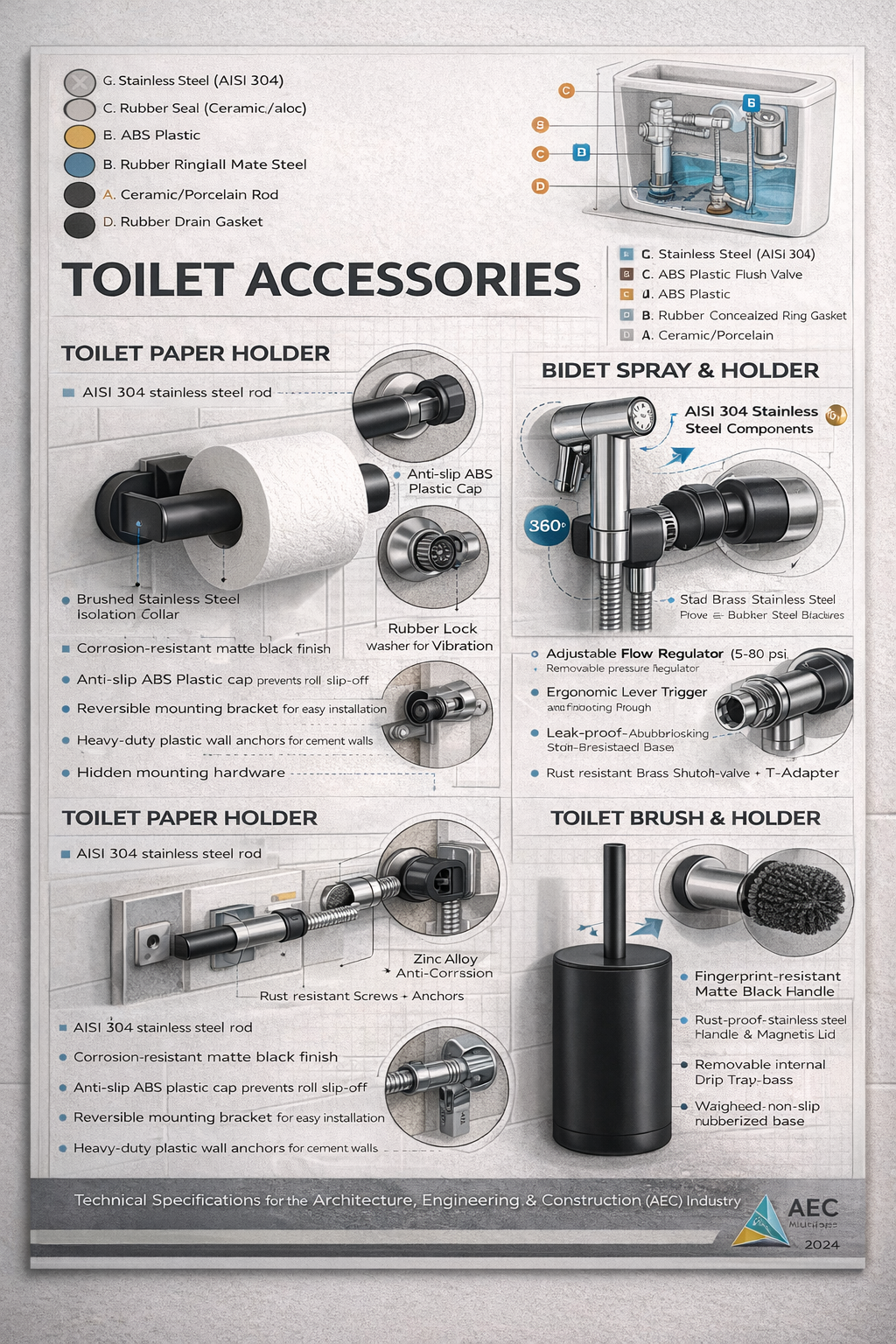
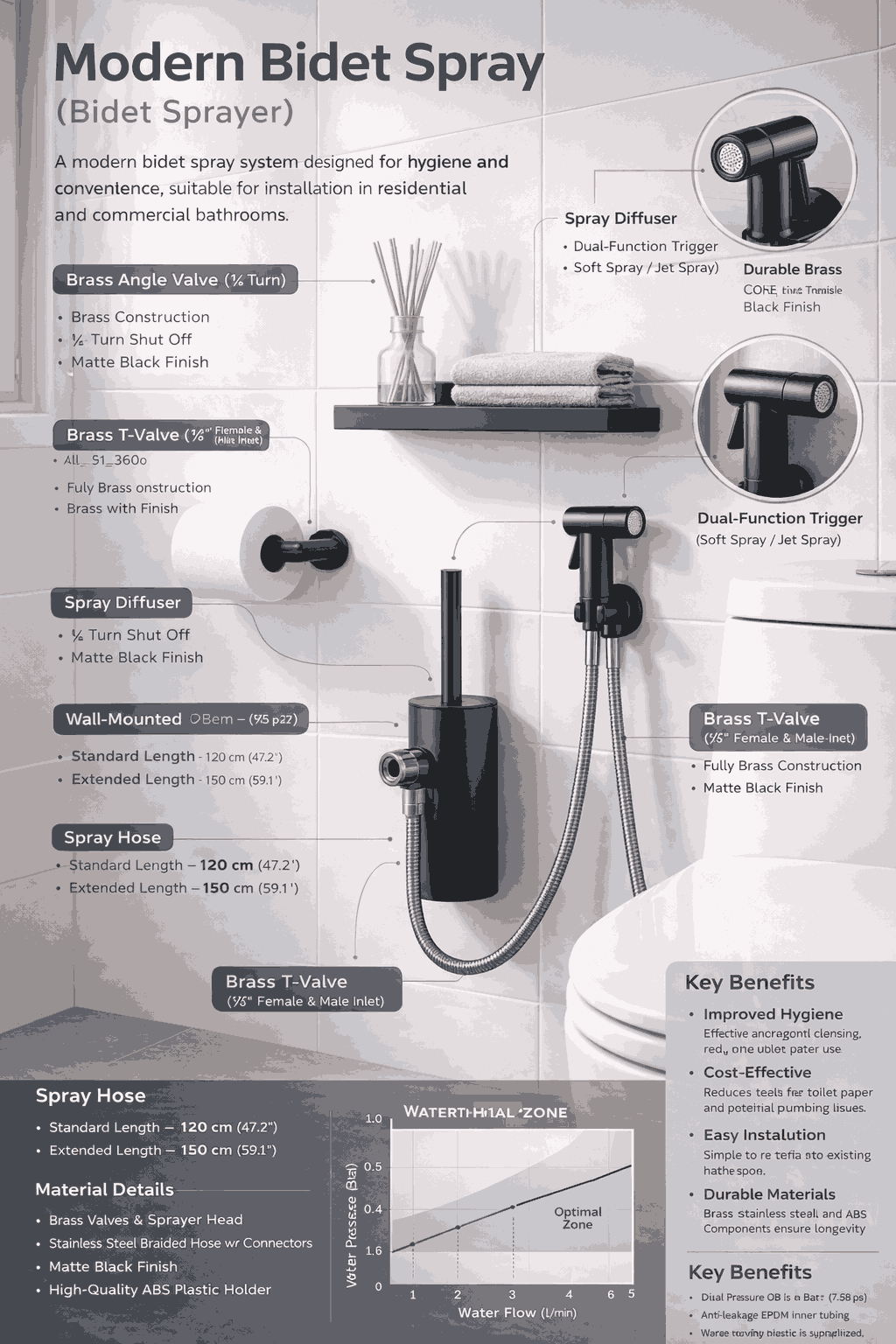
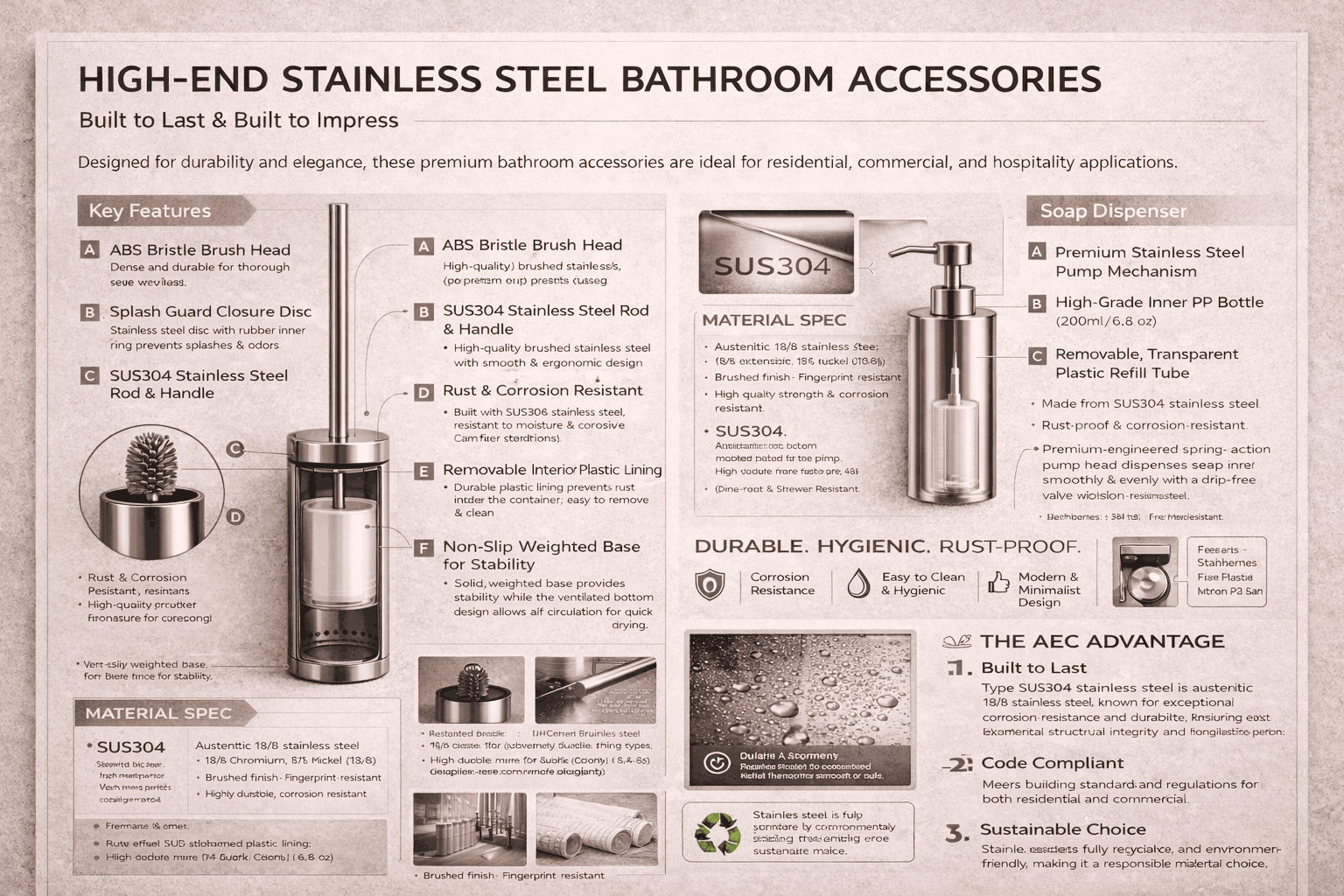
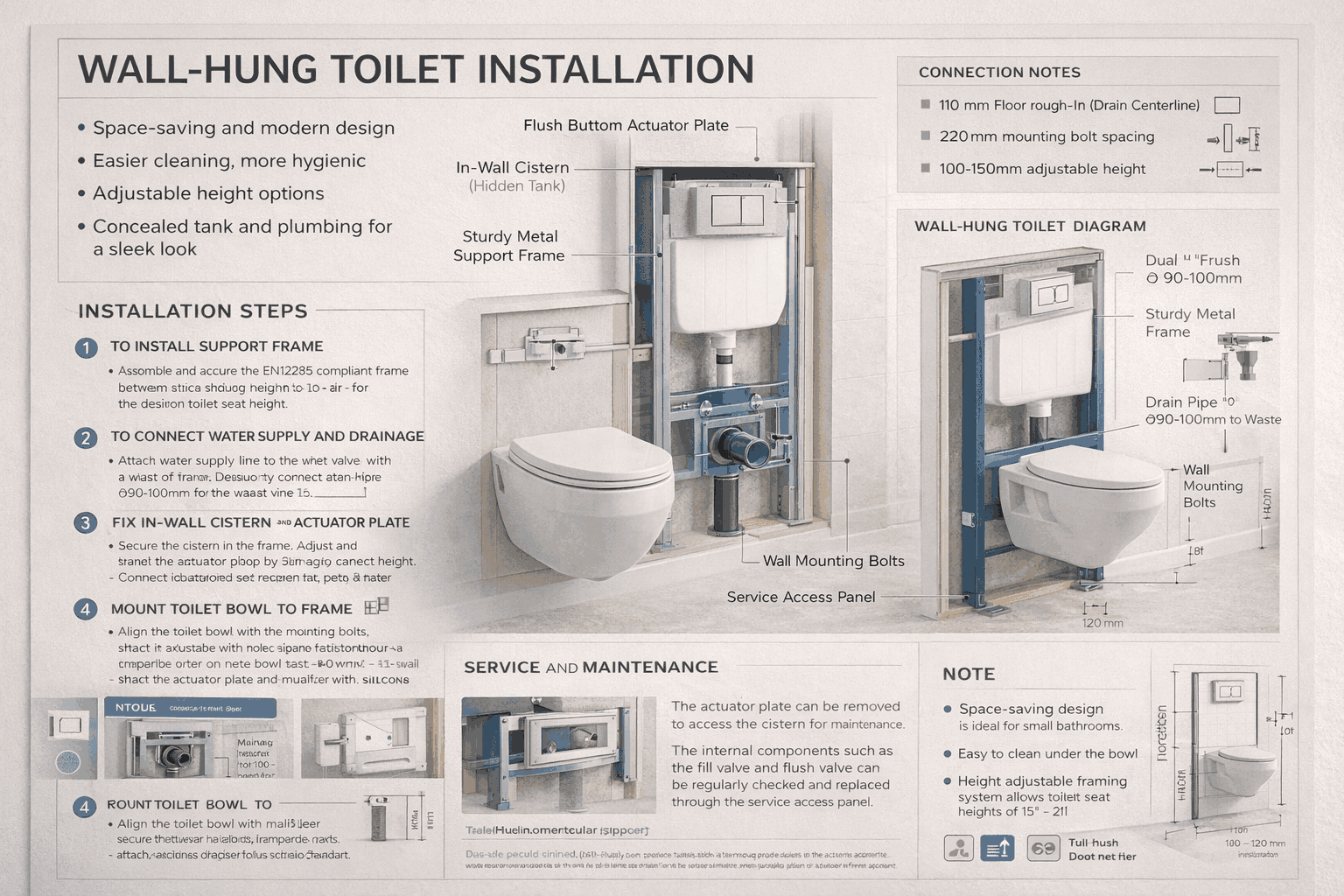
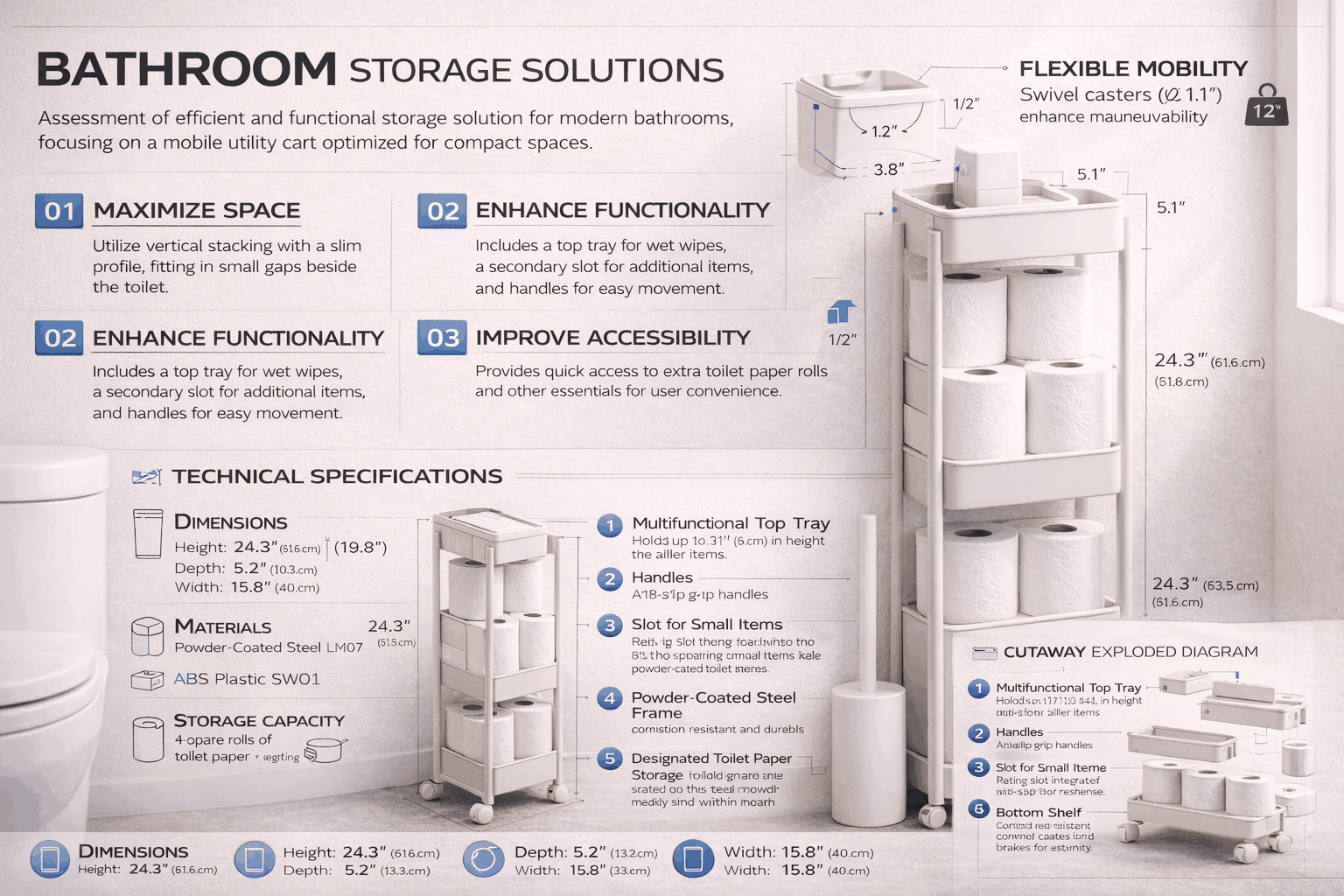
Toilet accessories like the things that make the toilet work and the bars you hold onto are important parts of the bathroom. They include things like the handle you push to flush the toilet the bars that help you get up and the things that hold the soap and toilet paper. These things are not just about looking good with the rest of the bathroom. They also have to do with following the rules being able to withstand a lot of use and helping to save water in the run. For the people who design buildings and bathrooms these toilet accessories are not just things they are a big part of the whole system. Toilet accessories, including toilet accessories like handles and toilet accessories like grab bars need to be thought of, as important parts of the bathroom not just small extras.
You can look at a variety of toilet accessories that meet the rules and are good for use, at:
Regulatory and Standards FrameworkADA Accessibility RequirementsWaterSense and Water Efficiency CoordinationCALGreen Compliance ConsiderationsASME and CSA Performance Standards
Toilet accessories have to meet a lot of rules. These rules are about making sure everyone can use them that they work well and that they are good, for the environment. When you are picking out toilet accessories you have to think about all these rules at the time. This is so you can be sure that they follow all the codes and that they will work like they are supposed to. Toilet accessories must be chosen carefully to meet all these standards.
ADA Accessibility Requirements
The 2010 ADA Standards for Design set rules for things like handles and buttons how high they can be and how much room you need to move around in a bathroom. You have to put things like the toilet handle, toilet paper holder and handrails in easy to reach places. The 2010 ADA Standards for Design say you have to be able to use these things with one hand. You should not have to use than five pounds of force to use them. The 2010 ADA Standards, for Design also say you should not have to squeeze or twist to use these things in a bathroom.
ADA Standards – Chapter 6: Toilet Rooms
Chapter 6 of the Americans with Disabilities Act Standards gives us guidance on the size and layout of toilet rooms how space we need to leave around fixtures and where to put accessories in the toilet room. The Americans with Disabilities Act Standards are very specific, about these things.
ADA Standards – Chapter 6: Toilet Rooms
WaterSense and Water Efficiency Coordination
The United States Environmental Protection Agency has a program called WaterSense. This WaterSense program tells us what makes a toilet or urinal good at saving water. The WaterSense program is about the toilets and urinals themselves not the parts that come with them.. The parts that help the toilet or urinal flush like the flush valves and actuators need to work well with the small amount of water that is used for each flush. This means they have to be able to handle one point two eight gallons of water or less for each flush so the toilet or urinal works properly. The WaterSense program is important, for water- toilets and urinals.
You can find out about the ways to make a restroom use less water and how to coordinate all the systems at:
Sustainable Restroom Design – Water Efficiency
When we are choosing flush actuation systems we need to think about the requirements of the fixture and the conditions of the supply pressure. We have to make sure these things work well together with the flush actuation systems. The flush actuation systems and the fixture hydraulic requirements and supply pressure conditions all need to be considered at the time.
CALGreen Compliance Considerations
The California Green Building Standards Code, which is also known as CALGreen sets rules for buildings in California. These rules are about saving water picking the materials and making sure the air inside is clean and healthy. When people build something that has to follow CALGreen they usually need to show that they are using water and this has to be in line with what WaterSense says is a good amount. They also need to use materials that will last a time and can withstand being used a lot. This is what the California Green Building Standards Code or CALGreen is, about.
When we are talking about toilet accessories for CALGreen projects these toilet accessories need to have some kind of proof that they help save water and that the materials used to make these toilet accessories are strong enough to last in places with a lot of people. The toilet accessories should be able to show that they are good at working with water efficiency and that the materials used to make the toilet accessories are durable. This is important for toilet accessories, in CALGreen projects because these places have a lot of people using the toilet accessories.
ASME and CSA Performance Standards
The American Society of Mechanical Engineers standard ASME A112.18.1 and the Canadian Standards Association standard CSA B125.1 tell us what plumbing fittings and accessories need to be able to do. They have to be able to withstand pressure and not leak. They also have to be strong and able to resist corrosion. The ASME A112.18.1 and CSA B125.1 standards are important for plumbing fittings and accessories in institutional restrooms because they make sure these products are safe and work well. The plumbing fittings and accessories that meet the ASME A112.18.1 and CSA B125.1 standards are good, for institutional restrooms.
People usually look for accessories that meet these standards. They are often listed in the plumbing part of Division 22. This is done to make sure that the accessories work enough. The standards help set a level of performance for the accessories.
Durability and Materials Engineering
Durability and Materials Engineering
People use commercial restroom accessories all the time.
They have to deal with cleaning products and sometimes folks do not use them correctly.
So commercial restroom accessories need to be made with materials and built well to last a long time.
This is really important, for commercial restroom accessories to keep working.
Structural Support and Anchorage
When we talk about accessories like grab bars and wall-mounted dispensers we need to make sure they are attached to something.
This is so they can hold a lot of weight.
The Americans with Disabilities Act, which we will refer to as ADA guidance and the way people usually do things in this industry say that grab bars and the things that support them should be able to hold least 250 pounds.
This 250-pound load can be applied anywhere, on the grab bars.
We have to remember that grab bars must be able to withstand this weight.
Accessibility and Spatial Coordination
Accessibility and Spatial Coordination
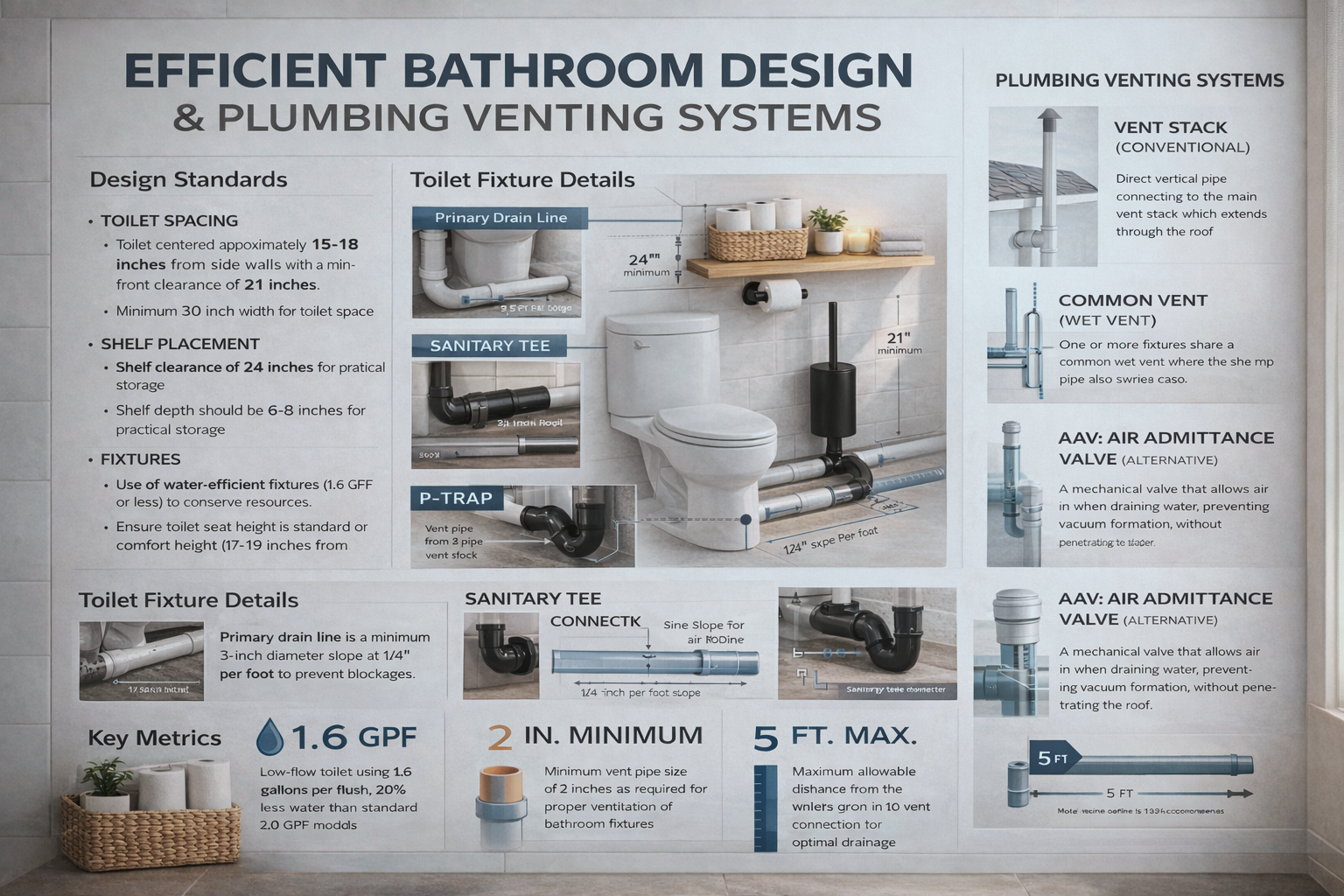
When you are putting accessories in a bathroom you have to think about where the toilet and other things like partitions and doorsre. If you put accessories in the place they can get in the way of the space you need to move around or be too far to reach. Accessory placement is really important because it has to work with toilet fixtures and circulation paths. If accessory placement is not done right it can be a problem with the space, around the toilet fixtures and the paths people walk on.
Grab Bars and Support Accessories
When we put grab bars in the bathroom they need to be at the height and distance from the toilet and the wall behind it. This is important because it means people can use them easily and safely. We should make sure to write down how high the grab bars should be and how they should be attached and include this information in the plans for the building. Grab bars are very important for people to be able to use the bathroom. The height and distance of grab bars, from the toilet centerline and rear wall are crucial for people to be able to use them.
Operable Controls and Dispensers
Things like actuators and soap dispensers and paper product dispensers have to work in a way that is easy for people to use.
This means flush actuators and soap dispensers and paper product dispensers must be simple to operate.
We like to use touchless actuators and soap dispensers and paper product dispensers or ones that you can open with a lever.
This is because touchless flush actuators and soap dispensers and paper product dispensers and the ones with levers are easier to use and cleaner.
We have to make sure the sensors and controls, on these flush actuators and soap dispensers and paper product dispensers are working correctly.
Structural Support and Anchorage
When you are building something it is really important that the people in charge of the architecture the structure and the plumbing all talk to each other on. This is because they need to make sure that the walls are strong enough to hold everything and that they do not have to make a lot of changes, on site while they are building. The architecture team and the structural team and the plumbing team all need to work to get this right. If the architecture team and the structural team and the plumbing team do not coordinate it can cause a lot of problems during construction.
Systems Integration: Plumbing, Electrical, and Controls
Toilet accessories interface with multiple building systems and should be specified accordingly.
Hydraulic Integration
When we talk about valves and actuators they need to work well with the water pressure and the amount of water that is flowing through them. They also need to be compatible with the fixtures that are being used. For systems that use little water it is really important that everything is set up just right. If not the toilet might not flush completely. That can be very frustrating, for the people who are using it. So plumbing engineers should make sure that the flush valves and actuators are going to work under the conditions that they will be used in. They need to test the valves and actuators to make sure they are working with the supply pressure and flow rates as required.
Referenced standards including ADA, ASME, CSA, WaterSense, and CALGreen
Toilet accessories need to have details. This is what they should include:
Detailed mounting heights, clearances, and load requirements
Designers need to make sure they write down the size and shape requirements and how things should work in the plans and when they review what the construction team is going to use.
Submittal requirements including compliance certifications and product data
Designers should always include this information in the construction documents and submittal reviews, for the construction project.
Installation conditions including backing and access provisions
Installation conditions including backing and access provisions
Referenced standards including ADA, ASME, CSA, WaterSense, and CALGreenDetailed mounting heights, clearances, and load requirementsSubmittal requirements including compliance certifications and product dataInstallation conditions including backing and access provisionsMaintenance and replacement considerations
That means we have to think about how to supply power to them and how to fix them when they break.
BIM and Digital Coordination
The computer models of toilet accessories should show us how space we need to leave around them, where people will be touching them and how we can get to them to fix things.
Systems Integration: Plumbing, Electrical, and Controls
Electrical and Low-Voltage Systems
Sensor-activated accessories need electricity to work. That means we have to think about how to supply power to them and how to fix them when they break. We have to make sure we can get to them to do maintenance. There are kinds of systems, like ones that run on batteries ones that are hardwired and ones that use a combination of both. Each type of Sensor-activated accessories has its set of things to consider when we think about how long they will last and what we need to do to keep them working.
Electrical and Low-Voltage Systems
In modern buildings the fancy toilet systems that use data can work together with the systems that manage the whole building. This helps people who take care of the building keep track of what needs to be fixed and how much water is being used by the data-enabled systems. The data-enabled flush systems are very useful, for this purpose.
BIM and Digital Coordination
When we include toilet accessories as part of the building design it helps us find problems, with the way things fit together. This is especially true when we are working with the framework and walls of a building. The computer models of toilet accessories should show us how space we need to leave around them, where people will be touching them and how we can get to them to fix things. Toilet accessories that are modeled this way make it easier to coordinate with the people who build the structure and the walls.
Sustainability and Lifecycle Performance
Sustainability and Lifecycle Performance
Toilet accessories that last a long time are really good for a building.
They help cut down on waste and things going wrong.
When you use them with toilets that use water they really help save water over time.
This is good for the environment.
It supports programs that want to make buildings more sustainable like LEED and CALGreen.
Toilet accessories that are good quality are important, for these programs.
ADA accessibility requirementsWaterSense water efficiency goalsCALGreen sustainability provisionsASME performance standards
When we think about the lifecycle of something we want to make sure it works well and does not break easily. We also want to be able to fix it when it does break. Lifecycle-based specification is important because it helps us do these things. It makes sure that things are stable and work well and that we can keep them working over time. This is also good, for facility management because things are always changing and we need to be able to adapt. So lifecycle-based specification prioritizes performance, stability and compatibility with the way facilities are managed. It helps us keep everything running smoothly.
Toilet accessories are not just for show in offices and schools. They are actually parts of a system. When we choose these products we need to make sure they meet rules. These rules are about making things easy for people with disabilities saving water being kind to the environment and working properly. Design professionals need to follow these rules, which are called ADA accessibility requirements WaterSense water efficiency goals, CALGreen sustainability provisions and ASME performance standards. If they do then the toilets and sinks will work well we will not get in trouble, with the law. They will last a long time. Toilet accessories that meet these rules are good because they help with operation, regulatory compliance and long-term value of toilet accessories.
A technical overview of commercial-grade toilet accessories is available at: