Bathroom Sink Maintenance & Cleaning Guide
Maintenance Guide for AEC Professionals & Facility Managers
Maintenance & Cleaning Guide for Large Bathroom Sinks
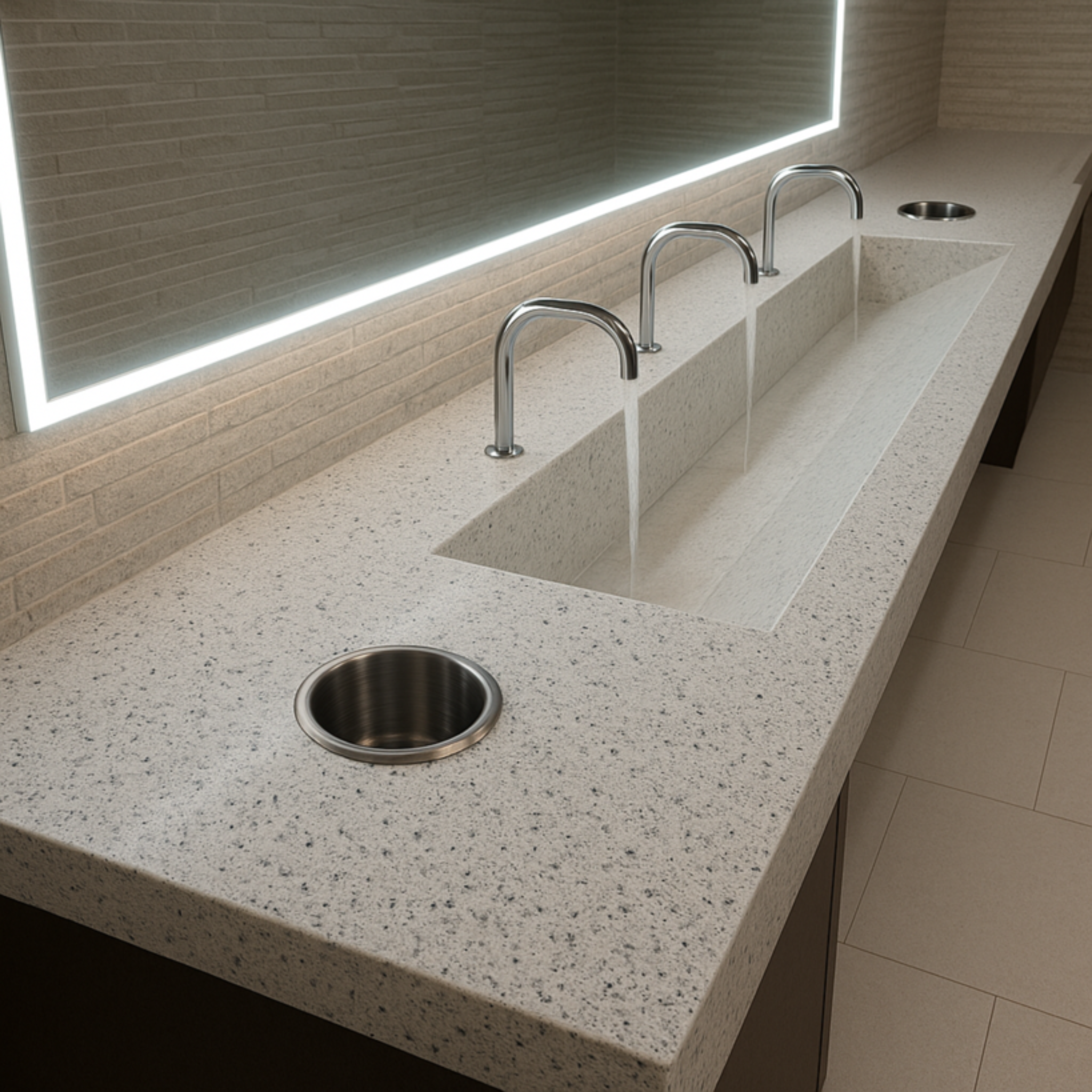
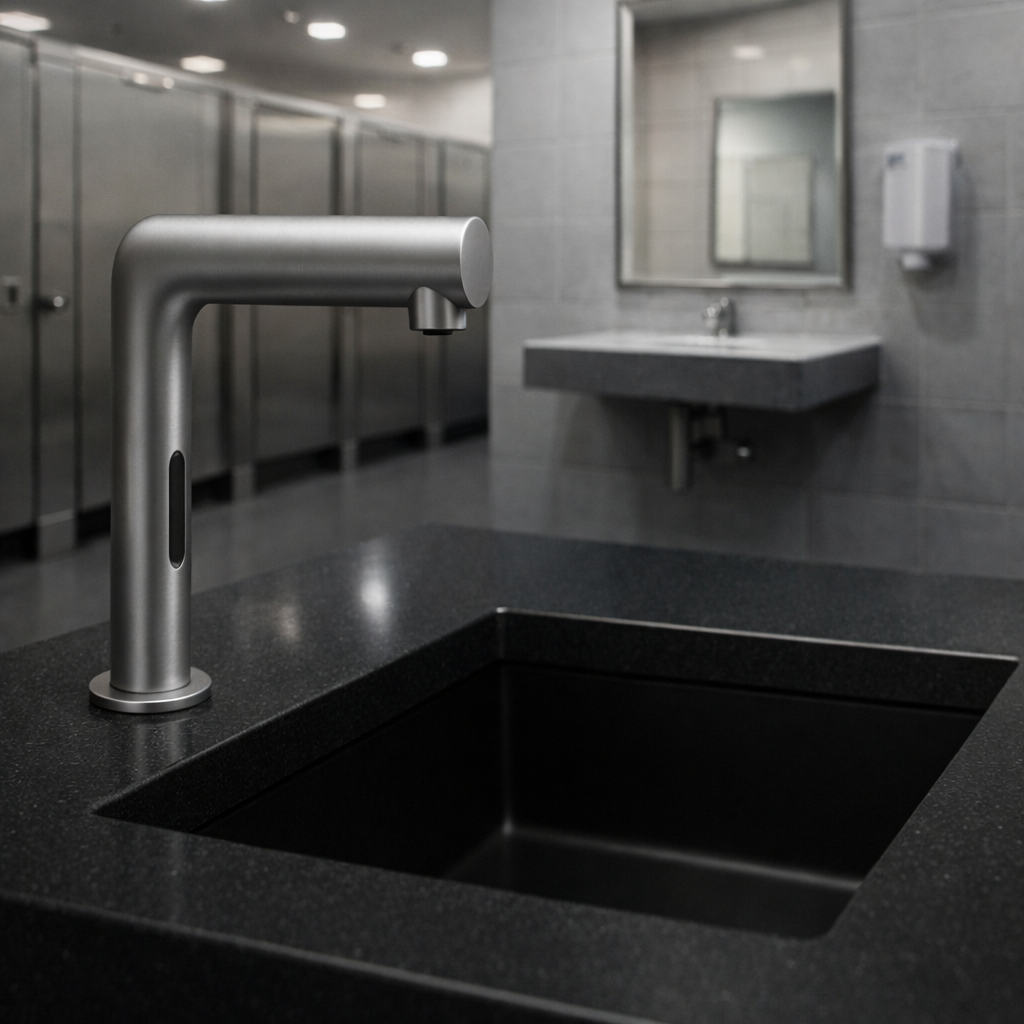
Proper maintenance and cleaning of large bathroom sinks are essential for ensuring long-term durability, hygiene, and performance. Regular care helps prevent stains, water damage, and buildup, especially in high-traffic commercial environments. Using the correct cleaning methods based on sink material improves lifespan and maintains the appearance of bathroom fixtures in residential and commercial spaces.
Facility managers, architects, and homeowners can extend the life of their fixtures with the right care. Browse our full range of durable and easy-to-clean large bathroom sinks designed for both commercial and residential applications.
Extend lifespan
Prevent stains
Maintain hygiene
Reduce costs
Preserve appearance
📚 Related Resources from FontanaShowers
Why Maintenance Matters for Large Bathroom Sinks
Maintaining large bathroom sinks requires a combination of proper cleaning techniques, routine inspections, and the use of appropriate cleaning products based on the sink material. In both residential and commercial environments, regular maintenance helps preserve the appearance, hygiene, and functionality of bathroom fixtures.
Preventing common issues such as water stains, mineral buildup, and surface scratches is essential for extending the lifespan of bathroom sinks. Regular cleaning schedules and proper user practices play a key role in maintaining sink performance in high-traffic environments such as hotels, hospitals, and public restrooms. Explore our large bathroom sinks built for durability.
How to Clean Different Sink Materials
| Material |
Cleaning Method |
Avoid |
| Ceramic / Porcelain |
Mild detergent with soft cloth |
Abrasive cleaners and pads |
| Stainless Steel |
Soft cloth + stainless steel cleaner |
Steel wool or harsh scrubbing |
| Natural Stone |
pH-neutral cleaner only |
Acidic products (vinegar, lemon) |
| Solid Surface |
Non-abrasive cleaner |
Strong chemicals, acetone |
Unsure about your sink material? Check our detailed sink materials guide for in-depth information on ceramic, stainless steel, natural stone, and solid surface.
📅
Recommended Cleaning Schedule
☀️
Daily
Quick rinse and wipe with mild soap and soft cloth. Remove standing water to prevent spots.
📆
Weekly
Deep cleaning with appropriate material-specific cleaner. Check for stains or buildup.
📊
Monthly
Inspect for mineral buildup, stains, and damage. Address issues before they worsen.
Note: Commercial facilities may require more frequent cleaning based on traffic levels.
💧
How to Deal with Hard Water Stains
Hard water can cause mineral buildup and stains. Using vinegar-based solutions or specialized cleaners can help remove limescale and restore shine. However, always check material compatibility before applying any acidic cleaner.
✅ For Ceramic
White vinegar and water solution (1:1) works well. Rinse thoroughly.
✅ For Stainless Steel
Use specialized stainless steel cleaners. Vinegar can damage the finish if left too long.
⚠️ For Natural Stone
Avoid vinegar and acids. Use pH-neutral stone cleaners only.
Related: For more on water efficient sinks, see our complete guide.
Maintenance Strategies for Commercial Facilities
High-traffic environments require scheduled cleaning routines and durable materials to maintain hygiene and performance over time. Facilities such as hotels, airports, hospitals, and office buildings benefit from structured maintenance plans.
Commercial Checklist
- ✓ Daily cleaning schedules
- ✓ Quarterly deep cleaning
- ✓ Staff training on proper techniques
- ✓ Inspect for damage regularly
Choosing durable materials like stainless steel and solid surface reduces maintenance frequency and costs. Our commercial design guide provides additional insights.
Recommended Materials
- ✓ Stainless Steel – Most durable
- ✓ Solid Surface – Easy to repair
- ✓ Ceramic – Cost-effective
⚠️
Cleaning Mistakes to Avoid
❌ Avoid abrasive cleaners
Scratching powders and harsh scrubbing pads damage surfaces permanently.
❌ Avoid strong acids on stone surfaces
Vinegar, lemon, and acidic cleaners etch and dull natural stone.
❌ Do not use metal brushes
Steel wool and metal brushes scratch stainless steel and ceramic finishes.
❌ Avoid harsh chemicals on coated surfaces
Bleach and ammonia can damage special finishes and protective coatings.
Always check: Refer to your installation guide for manufacturer-specific care instructions.
Ceramic and porcelain sinks are generally easy to clean with mild detergents. Regular cleaning with soft cloths maintains their glossy finish. Avoid abrasive cleaners that can scratch the surface.
- Mild detergent and soft cloth
- Avoid abrasive cleaners
- Regular wipe-down prevents stains
Stainless steel requires non-abrasive cleaners to maintain its finish. Use specialized stainless steel cleaners or mild soap with water. Always wipe with the grain to avoid scratches.
- Non-abrasive cleaners only
- Wipe with the grain
- Avoid steel wool
Natural stone sinks (marble, granite, travertine) require pH-neutral cleaners specifically formulated for stone. Avoid acidic products like vinegar or lemon juice, which can etch and dull the surface. Regular sealing is recommended.
- pH-neutral cleaners only
- Seal every 6-12 months
- Avoid acidic products
Solid surface sinks are non-porous and easy to maintain. Clean with non-abrasive cleaners and soft cloths. Minor scratches can be repaired with light sanding using fine-grit sandpaper, followed by polishing.
- Non-abrasive cleaners
- Light sanding for scratches
- Avoid harsh chemicals
Complete Guide to Large Bathroom Sink Maintenance
Maintaining large bathroom sinks requires a combination of proper cleaning techniques, routine inspections, and the use of appropriate cleaning products based on the sink material. In both residential and commercial environments, regular maintenance helps preserve the appearance, hygiene, and functionality of bathroom fixtures.
Different materials require different care approaches. Ceramic and porcelain sinks are generally easy to clean with mild detergents, while natural stone surfaces require pH-neutral cleaners to prevent damage. Solid surface sinks can often be restored with light sanding, while stainless steel requires non-abrasive cleaners to maintain its finish.
Preventing common issues such as water stains, mineral buildup, and surface scratches is essential for extending the lifespan of bathroom sinks. Regular cleaning schedules and proper user practices play a key role in maintaining sink performance in high-traffic environments such as hotels, hospitals, and public restrooms.
In commercial settings, maintenance planning should include routine inspections, cleaning schedules, and the use of durable materials that can withstand frequent use. Combining proper maintenance with high-quality fixtures ensures long-term efficiency and reduced operational costs.
To explore durable and easy-to-maintain options, browse our full range of large bathroom sinks designed for both commercial and residential applications.
FontanaShowers provides high-quality bathroom fixtures engineered for durability, ease of maintenance, and modern design, making them ideal for long-term use in demanding environments.
❓ Maintenance FAQ
Frequently Asked Questions About Sink Maintenance
How often should a bathroom sink be cleaned?
Daily in commercial spaces and weekly in residential settings. High-traffic facilities may require multiple cleanings per day to maintain hygiene standards.
What causes stains in bathroom sinks?
Hard water minerals and soap residue are the most common causes. Regular cleaning and drying after use can prevent most stains. See our water efficiency guide for more.
Can vinegar damage sinks?
Safe for ceramic, but not recommended for some stone surfaces. Vinegar is acidic and can etch natural stone. Always check material compatibility first. Refer to our materials guide.
What is the best cleaner for sinks?
Mild, non-abrasive cleaners based on material type. For most sinks, mild detergent and water work well. For specific recommendations, browse our durable sink collection.
Summary: Maintenance & Cleaning Guide
Proper maintenance and cleaning are essential for preserving the beauty, hygiene, and longevity of large bathroom sinks. Understanding your sink material and following the right care routine prevents damage and reduces long-term costs.
Daily cleaning
Material-specific care
Prevent stains
Commercial schedules
Avoid harsh chemicals
|
|
Maintaining large bathroom sinks requires a combination of proper cleaning techniques, routine inspections, and the use of appropriate cleaning products based on the sink material. In both residential and commercial environments, regular maintenance helps preserve the appearance, hygiene, and functionality of bathroom fixtures.
Different materials require different care approaches. Ceramic and porcelain sinks are generally easy to clean with mild detergents, while natural stone surfaces require pH-neutral cleaners to prevent damage. Solid surface sinks can often be restored with light sanding, while stainless steel requires non-abrasive cleaners to maintain its finish.
Recommended Care
- Mild detergent and soft cloth
- Avoid abrasive cleaners
- Regular wipe-down prevents stains
Natural stone sinks (marble, granite, travertine) require special attention. Always use pH-neutral cleaners specifically formulated for stone. Avoid acidic products like vinegar or lemon juice, which can etch and dull the surface. Regular sealing is recommended to maintain protection.
Key Requirements
- pH-neutral cleaners only
- Seal every 6-12 months
- Avoid acidic products
Solid surface sinks are non-porous and easy to maintain. Clean with non-abrasive cleaners and soft cloths. Minor scratches can be repaired with light sanding using fine-grit sandpaper, followed by polishing to restore the original finish.
Maintenance Tips
- Non-abrasive cleaners
- Light sanding for scratches
- Avoid harsh chemicals
Stainless steel sinks require non-abrasive cleaners to maintain their finish. Use specialized stainless steel cleaners or mild soap with water. Always wipe with the grain to avoid scratches. Never use steel wool or abrasive pads.
Care Guidelines
- Non-abrasive cleaners only
- Wipe with the grain
- Avoid steel wool
⚠️
Preventing Common Issues
Preventing common issues such as water stains, mineral buildup, and surface scratches is essential for extending the lifespan of bathroom sinks. Regular cleaning schedules and proper user practices play a key role in maintaining sink performance in high-traffic environments such as hotels, hospitals, and public restrooms.
💧
Water Stains
Dry surfaces after each use
⛰️
Mineral Buildup
Use gentle descalers
🔪
Surface Scratches
Avoid abrasive tools
🏢 Commercial Maintenance Strategies
In commercial settings, maintenance planning should include routine inspections, cleaning schedules, and the use of durable materials that can withstand frequent use. Combining proper maintenance with high-quality fixtures ensures long-term efficiency and reduced operational costs.
Commercial Checklist
- Daily cleaning schedules
- Quarterly deep cleaning
- Staff training on proper techniques
- Inspect for damage regularly
📋 Material Comparison Table
| Material |
Cleaning Method |
| Ceramic |
Mild detergent |
| Natural Stone |
pH-neutral cleaner |
| Solid Surface |
Non-abrasive cleaner |
| Stainless Steel |
Soft cloth + steel cleaner |
To explore durable and easy-to-maintain options, browse our full range of large bathroom sinks designed for both commercial and residential applications.
FontanaShowers provides high-quality bathroom fixtures engineered for durability, ease of maintenance, and modern design, making them ideal for long-term use in demanding environments.
|
|
|