Contactless Faucets
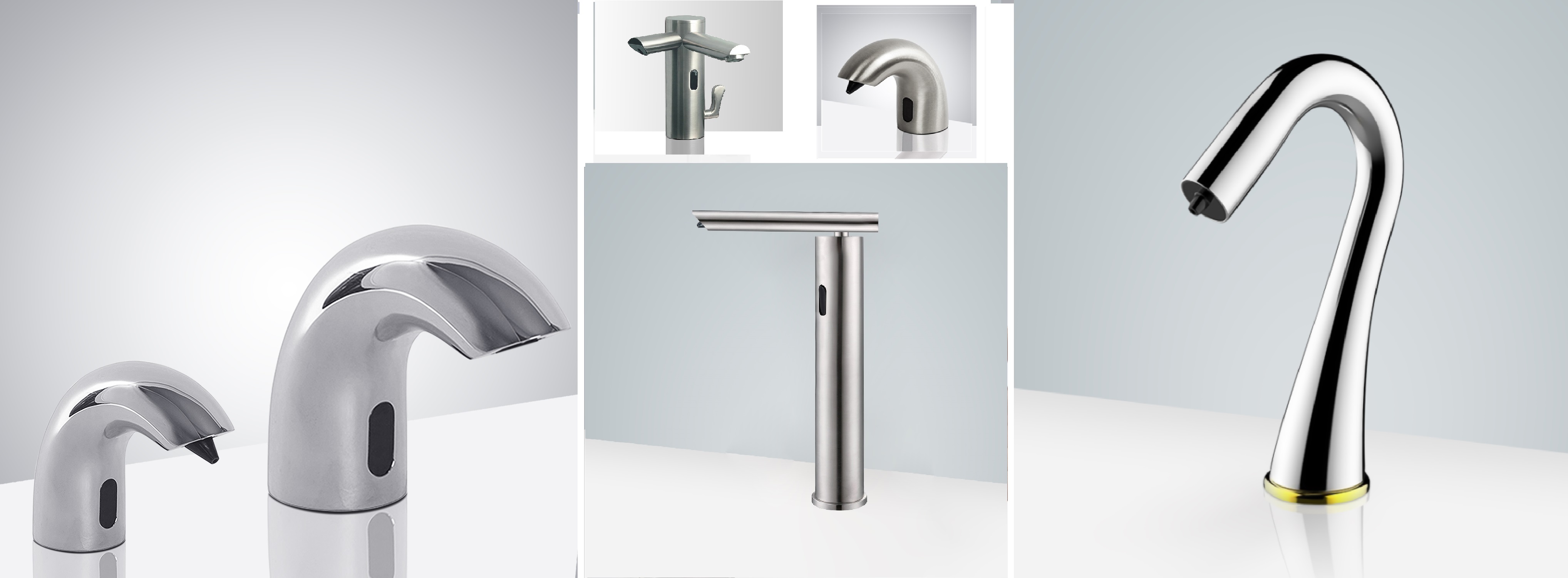
A contactless faucet turns on and off with a single flick of the hand. Whenever the sensor detects movement, the valve is activated, allowing water through all the spouting. The sensors, valve solenoid, energy source, and spouting are the four components that make touchless faucets work:
Contactless faucets provide hands-free water control through sensor-based activation, electronic valve operation, and automatic shutoff, making them well suited to commercial bathrooms and high-traffic public restrooms. Architects, contractors, and facility teams can compare
automatic sensor faucets designed for touch-free water activation,
explore
touchless public restroom faucets using infrared sensing for hygienic and water-efficient operation,
and review
commercial touchless bathroom faucets for shared washroom environments
when specifying contactless fixtures where sensor responsiveness, water conservation, hygiene, accessibility, and reliable operation are important design considerations.
1. Sensors
The sensor delivers a motion signal to the valve, which activates the faucet. Depending on the existence or lack of movement, it tells the valve when to stop or start the water. The sensor will either employ infrared light or supersonic energy. Infrared sensors are frequently found at the base or tip of the spouting, allowing them to detect motion without being obstructed by big objects.
2. valve solenoid
The solenoid valve is activated by the sensor's movement inputs. The polarity of the signal determines whether the solenoid participates in a push or pull operation. A rubber-like disc engages the flow of water via the valve.
3. Energy Source
Contactless faucets need electricity for lighting, whether they are powered by batteries or connected to a wall outlet. Before you order your touchless system, check the packing to make sure you have the right power source. A battery-operated faucet maintains the solenoid valve open until electricity is applied to close it. The solenoid valve on a transformer-powered faucet is kept open by a constant electric current.
4. Spouting
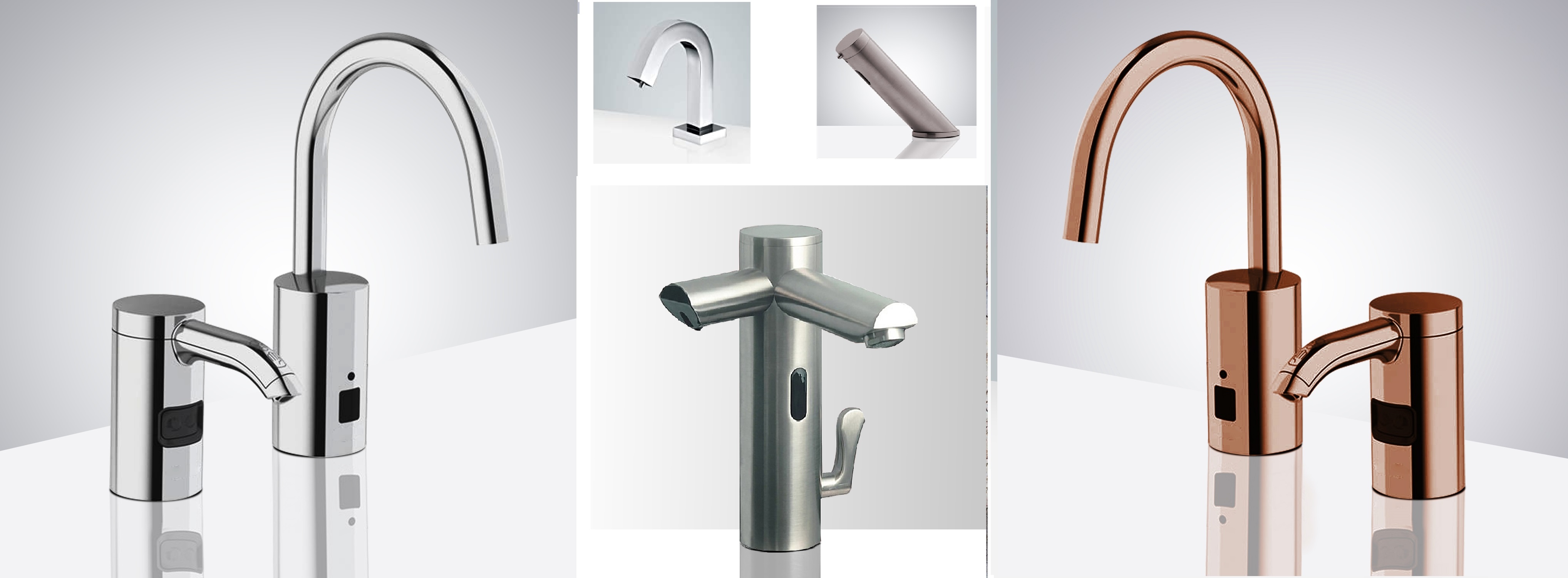
The spout houses the remaining parts of a hands-free faucet. Depending on the sort of faucet you have, your budget, and the current colour palette in your bathroom, this part is available in a variety of materials and sizes. Brass spouts are the most expensive, while zinc is the most cost-effective. Starts spouting chromium or nickel finishes may be available to improve their longevity and look.
|




 - 2022-03-04T170258.617.jpg)