Public RestroomDesigning and Selecting Restroom Fixtures: A Guide for Architects1. Assessing User Needs and Traffic Flow- User Demographics: Consider the primary users (e.g., adults, children, people with disabilities) and their specific needs.
- Traffic Volume: Estimate the number of users to determine the required number of fixtures and their types.
- Accessibility: Ensure compliance with ADA (Americans with Disabilities Act) or other relevant accessibility standards.
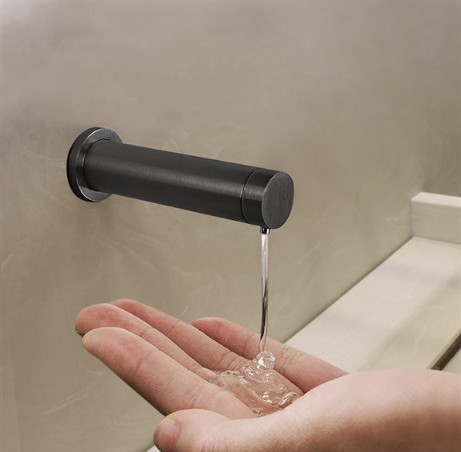
2. Prioritizing Hygiene and Maintenance- Touchless Technology: Select touchless faucets, soap dispensers, and hand dryers to reduce the spread of germs.
- Easy-to-Clean Materials: Use materials that resist stains, odors, and bacterial growth (e.g., stainless steel, solid surface materials).
- Maintenance Access: Ensure fixtures are easily accessible for regular maintenance and repairs.
3. Water and Energy Efficiency- Low-Flow Fixtures: Choose water-saving faucets, toilets, and urinals to reduce water consumption.
- Energy-Efficient Hand Dryers: Opt for energy-efficient hand dryers to reduce electricity use.
- Automatic Shut-Offs: Incorporate sensor-operated fixtures that shut off automatically to prevent wastage.
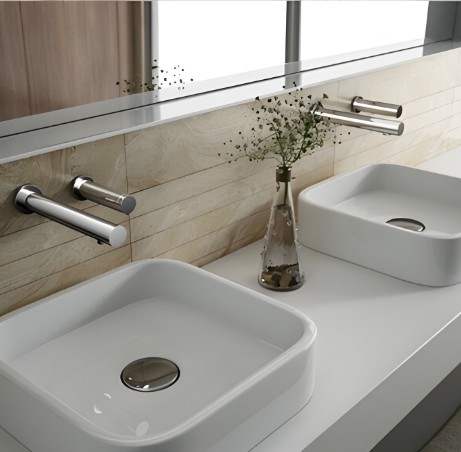
4. Aesthetic and Functional Design- Consistent Style: Ensure all fixtures align with the overall design theme of the building.
- Durability: Select fixtures made from durable materials to withstand heavy use.
- Space Optimization: Design the layout to maximize space, providing adequate room for movement and accessibility.
5. Compliance with Regulations and Standards- Building Codes: Adhere to local, state, and federal building codes.
- Health and Safety Standards: Ensure fixtures meet health and safety regulations.
- Sustainability Certifications: Aim for fixtures with certifications like WaterSense or LEED for sustainability.
6. Budget and Cost-Effectiveness- Cost-Benefit Analysis: Balance initial costs with long-term savings on water, energy, and maintenance.
- Bulk Purchasing: Consider bulk purchasing for cost savings, especially for large projects.
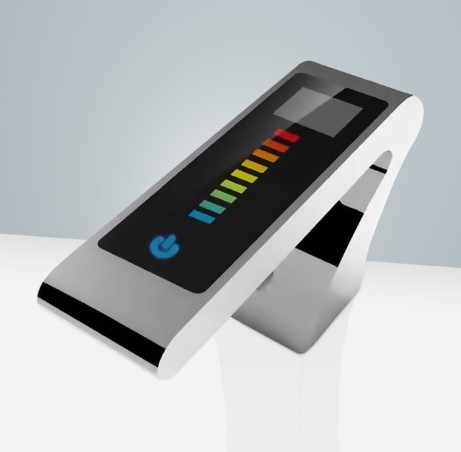
7. Innovative and Smart Technology- Smart Fixtures: Integrate smart technology for monitoring usage and maintenance needs.
- IoT Integration: Use Internet of Things (IoT) to connect fixtures for real-time data and automated management.
8. Vendor and Product Selection- Reputation and Reliability: Choose vendors with a good reputation for quality and reliability.
- Product Reviews and Testing: Consider user reviews and, if possible, test the fixtures before finalizing.
9. Customization and Branding- Customization Options: Select fixtures that offer customization in finishes, colors, and branding to match the design theme.
- Brand Identity: Incorporate branding elements subtly in fixture design to enhance the user experience.
Example Steps in the Design and Selection ProcessInitial Consultation and Needs Assessment: - Meet with stakeholders to understand requirements and expectations.
- Conduct site visits and user surveys if necessary.
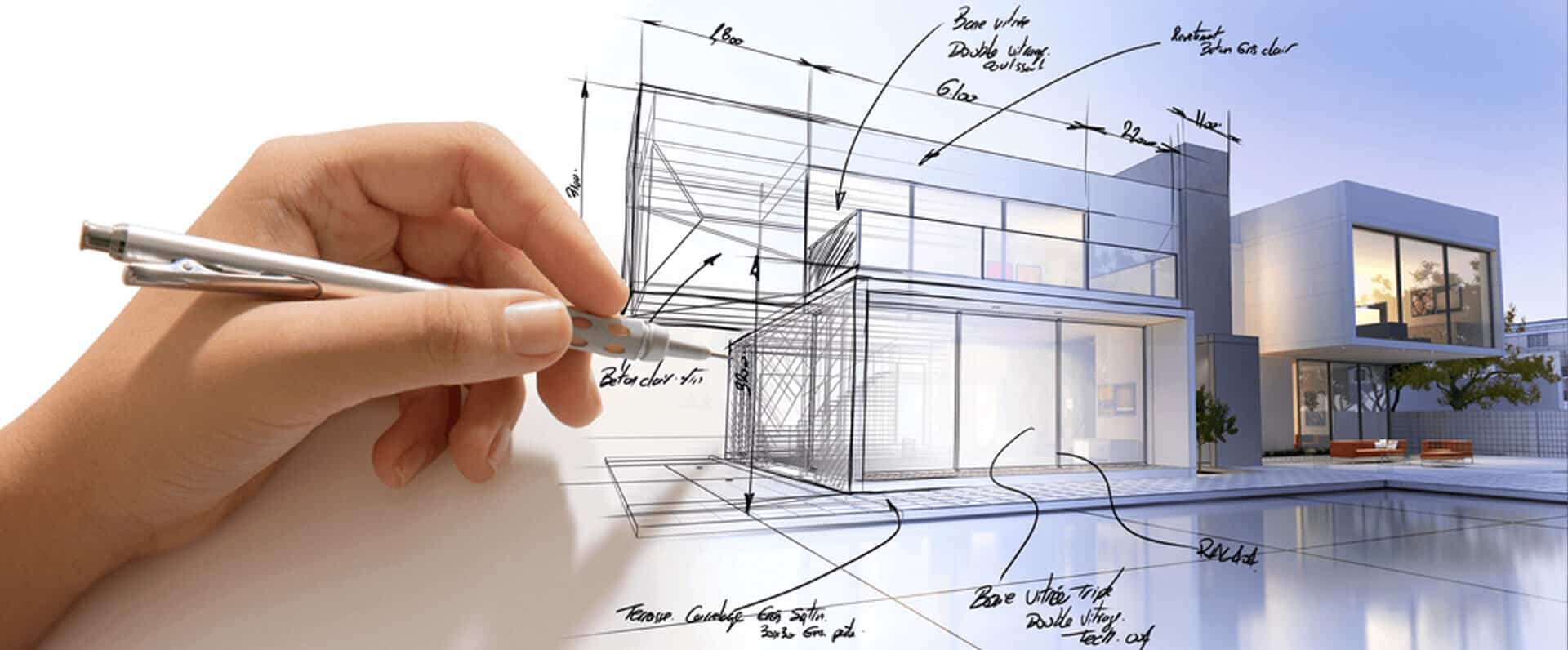
Preliminary Design and Layout: - Create initial design sketches and layouts.
- Identify fixture types and locations based on traffic flow and user needs.
Fixture Selection: - Research and shortlist potential fixtures.
- Compare features, benefits, and costs.
Detailed Design and Specifications: - Finalize design plans, including detailed drawings and specifications.
- Ensure all fixtures meet regulatory and safety standards.
Budgeting and Procurement: - Prepare a detailed budget and procurement plan.
- Coordinate with vendors for quotations and bulk purchasing options.
Installation and Testing: - Oversee the installation process to ensure compliance with design plans.
- Conduct testing to ensure functionality and user satisfaction.
Post-Installation Review and Maintenance Planning: - Perform a final review to address any issues.
- Develop a maintenance plan to ensure long-term performance and hygiene.
By following these steps, architects can design and select restroom fixtures that meet the needs of users, adhere to regulations, and align with the overall aesthetic and functional goals of the project.
|
|