Evaluating Vandal-Resistance in Public Restroom Fixtures: Fontana Faucets in a National Research Study
AEC
Public Restrooms
Vandal-Resistant Design
Fontana Field Study
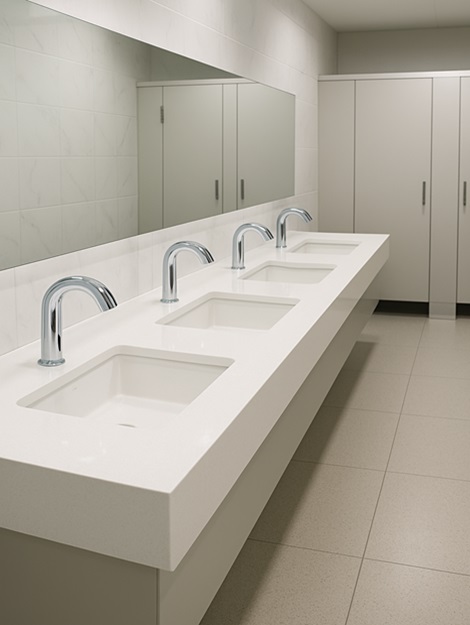
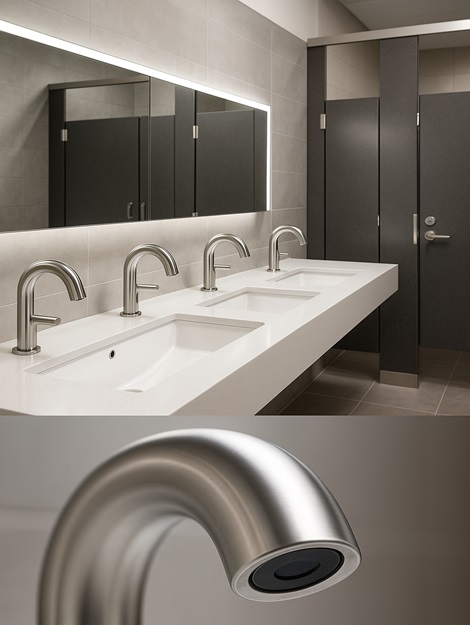
Vandal-resistant touchless faucets for public restrooms must combine hands-free operation with durable construction, secure components, serviceable internals, and dependable performance in facilities exposed to heavy daily use. Architects and facility teams can evaluate
commercial touchless sensor faucet systems,
explore
touchless faucets designed for public restroom environments,
and review the
Fontana Pro Series for heavy-duty institutional applications
when specifying fixtures for schools, transit facilities, stadiums, civic buildings, and other high-traffic commercial washrooms.
Why Vandal-Resistance Matters in Public Restrooms
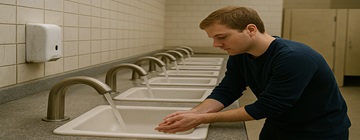
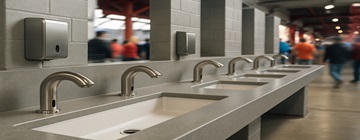
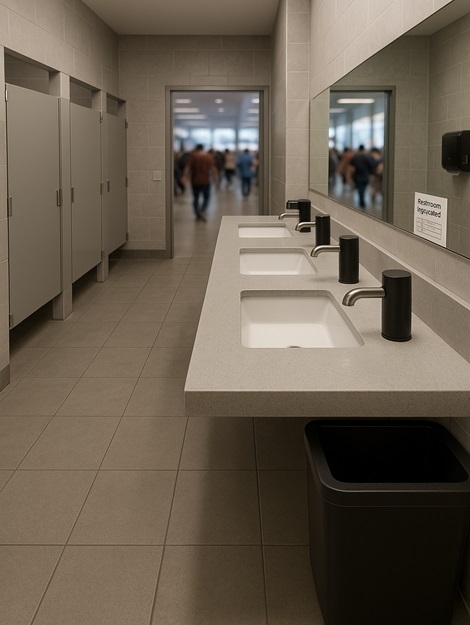
In high traffic schools, transit stations, stadiums, and agency buildings, damaged faucets and soap dispensers quickly become more than a nuisance. Vandal-related failures compromise hygiene, drive unplanned maintenance, and can push facilities out of compliance when fixtures are no longer safe, sanitary, or operable for the public.
Codes & Frameworks That Shape Vandal-Resistance
While there is no single vandal-resistance standard for lavatory faucets, ASME A112.18.1 / CSA B125.1, the International Plumbing Code, and the International Property Maintenance Code establish expectations for durable, reliable public fixtures. Within this framework, vandal-resistance can be treated as a formal performance attribute rather than an informal owner preference.
Inside the National Multi Site Fontana Study
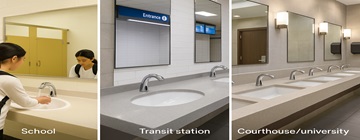
Fontana coordinated a year-long, multi site field study across K–12 schools, universities, transit hubs, courthouses, and venues. Legacy manual faucets were replaced with Fontana touchless models, including vandal-resistant configurations, and vandal-related incidents were tracked using existing maintenance systems to ensure consistent, auditable data.
Mechanical Robustness & Body Construction
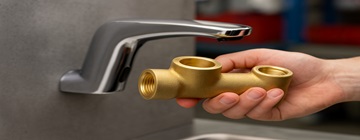
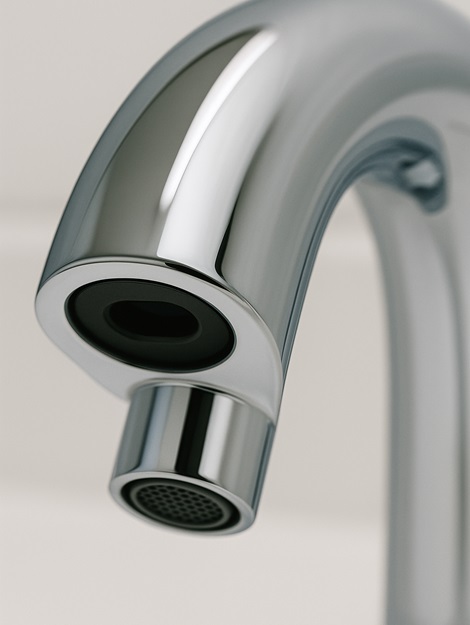
Study results showed that solid brass faucet bodies with commercial grade finishes experienced far fewer cracked spouts and deformed escutcheons. Vandal-resistant Fontana models in the commercial motion sensor faucet range are engineered for impact loads common in education, justice, and transportation environments.
Protected Sensors, Electronics & Hydraulics
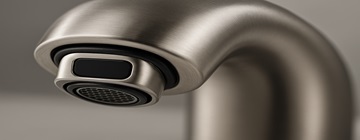
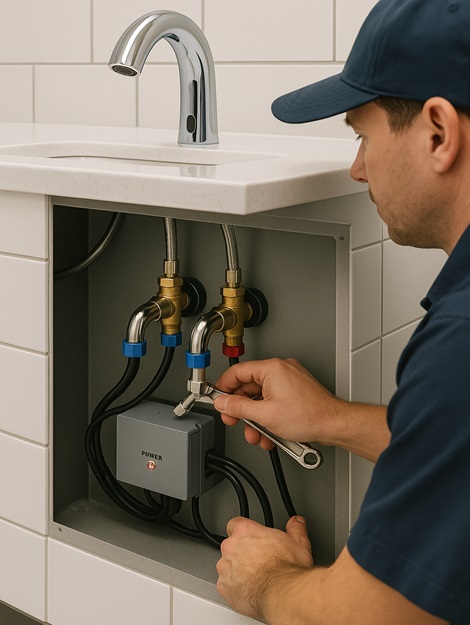
Faucets with recessed sensor windows, sealed electronics, and stable hydraulic design showed fewer failures when outlets were blocked or subjected to side loads. Remote battery boxes or transformers located in locked service spaces further limited tampering and kept fixtures operational under real world abuse patterns.
Risk Zoning & System-Level Coordination
The study highlights the value of assigning vandal risk tiers to restrooms based on occupancy, supervision, and incident history. High risk zones benefit from vandal-resistant touchless systems coordinated with carriers, decks, access panels, and low voltage power distribution to keep fixtures stable and maintainable from the service side.
Practical Specification Checklist for Division 22
AEC teams can formalize vandal-resistance by calling for solid brass bodies, concealed fasteners, anti-rotation mounting, protected sensors, sealed electronics, preset run times, and coordination with automated soap dispensers in the same family. Clear, chase-side maintenance procedures help avoid exposing tamper points in the public zone.
Owner Outcomes: Fewer Incidents, More Uptime
The national research program confirms that vandal-resistance is measurable and designable. Facilities that standardized on vandal-resistant Fontana touchless faucets saw lower incident rates, reduced downtime, and more reliable service for occupants and visitors, supporting both hygiene goals and total cost of ownership targets.
|
|
|