Home > Heavy-Duty Commercial Urinal Flush Valves

Heavy-Duty Commercial Urinal Flush Valves: What Engineers Look for Before Specifying

A practical AEC-grade selection guide that focuses on durability, serviceability, and performance controls for heavy-duty urinal flush valves—organized by environment (airport, office, hospitality, public/institutional). Each section highlights what to verify in submittals and how to reduce downtime risk. Includes internal links to FontanaShowers technical resources and recessed auto-flush series pages.

Airport / Transit • abuse resistance, rapid service, predictable operation

High-Traffic
Priority Criteria damage tolerance + stability
Vandal resistance Front-service access Stable sensor behavior Anti-runaway shutoff
  • Valve body + faceplate: engineers favor protected/recessed architecture to reduce impacts, tampering, and accidental damage from cleaning carts.
  • Service path: front access (filters/strainers, solenoid/actuator modules, diaphragm kits) reduces time in chases and minimizes restroom closures.
  • Sensor stability: in variable lighting, “false triggers” drive water waste and complaints—spec settings should support range tuning and delay/lockout control.
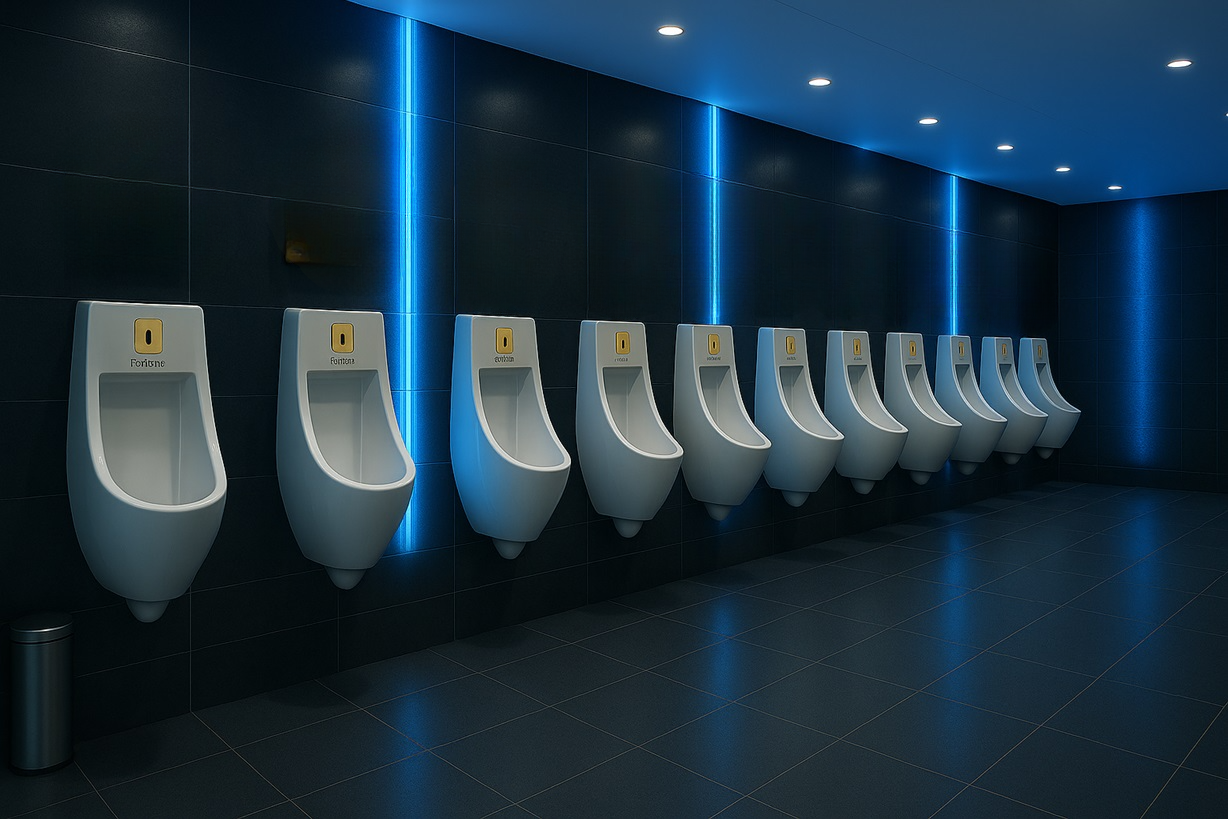
Airport heavy-duty recessed urinal flush valve system designed for high-traffic durability and quick service access
Airport Bank — recessed architecture protects components and supports fast front-service maintenance.
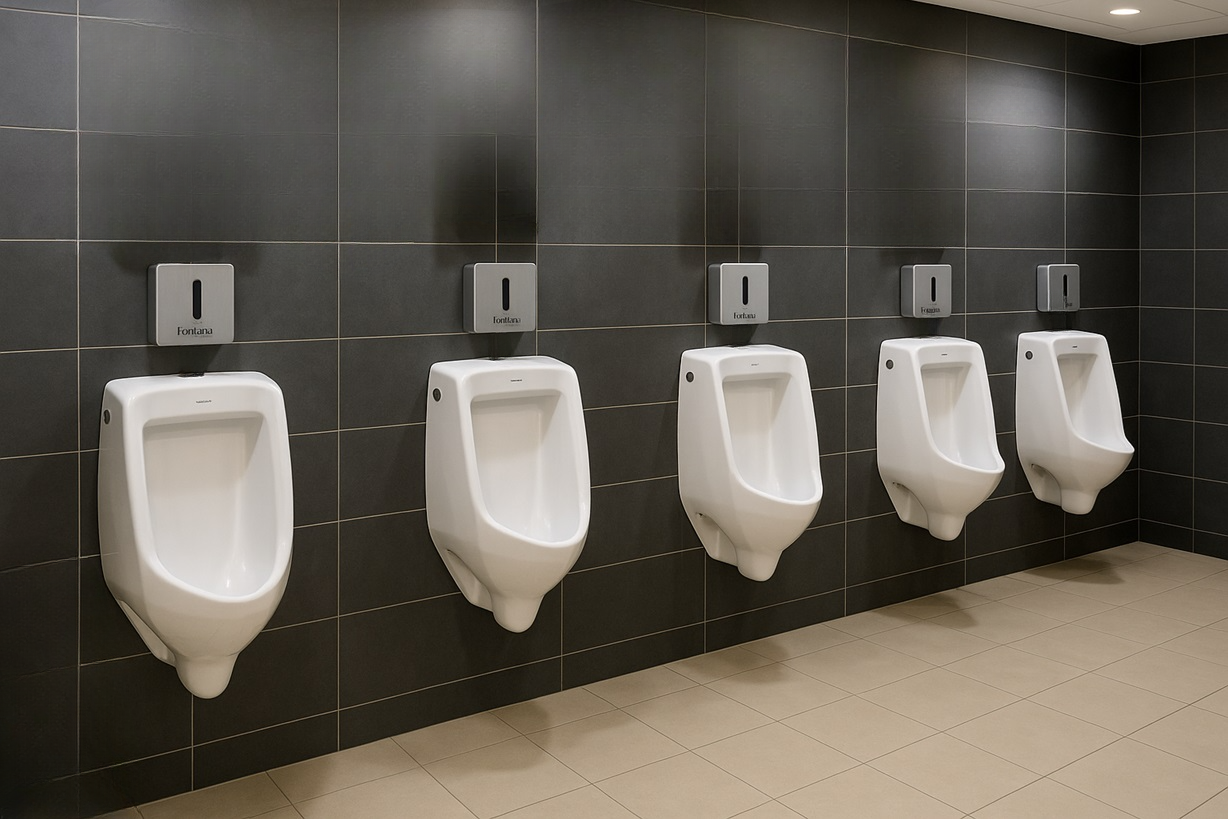
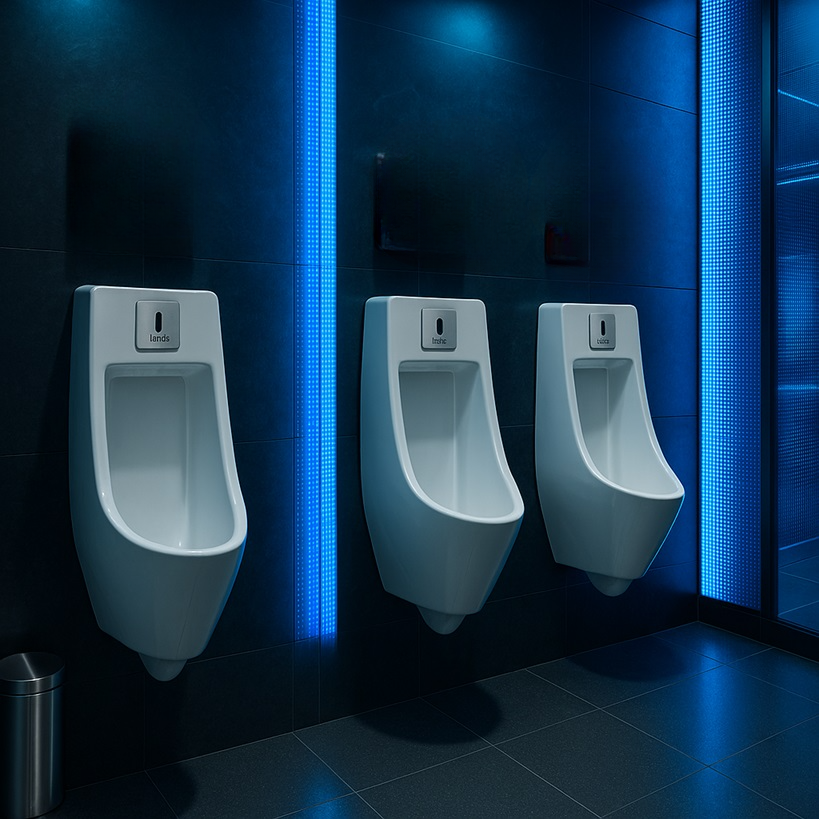
Transit restroom recessed auto flush urinal systems supporting stable sensing and reduced downtime
Transit Visual — stable sensing reduces nuisance triggers and supports predictable operation.

Office / Workplace • standardization, lower service cost, consistent experience

Facility-Ready
Priority Criteria repeatability + documentation
Spec standardization Predictable parts Battery program Commissioning notes
  • Engineer preference: fewer SKUs across floors reduces mixed spares and improves maintenance consistency (diaphragm kits, seals, filters).
  • Documentation quality: submittals should include rough-in, service access strategy, sensor settings, and troubleshooting notes to reduce post-turnover calls.
  • Operations: flushing parameters should be locked down to avoid ad-hoc adjustments that increase water use or cause nuisance flushing.
Office building heavy-duty recessed urinal flush valve system supporting standardized specifications across floors
Office Bank — standardization supports repeatable details and lower service complexity.
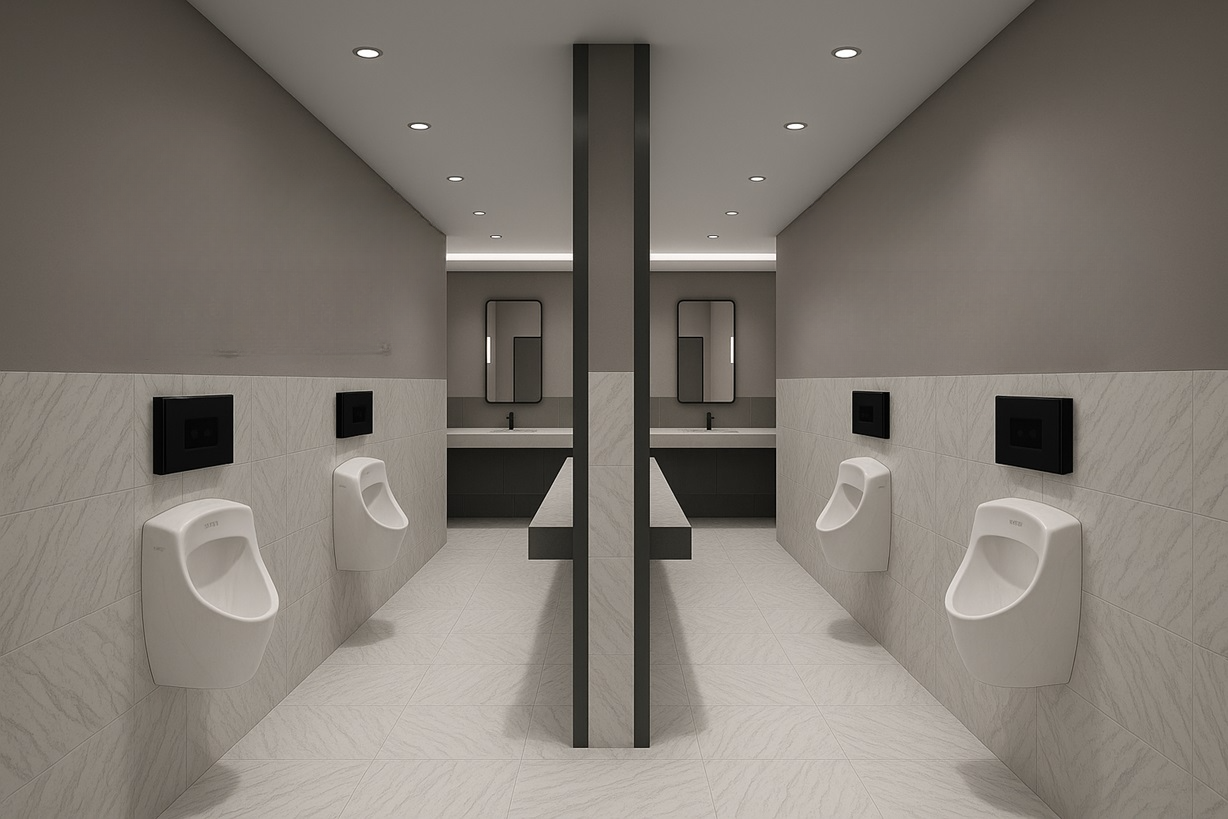
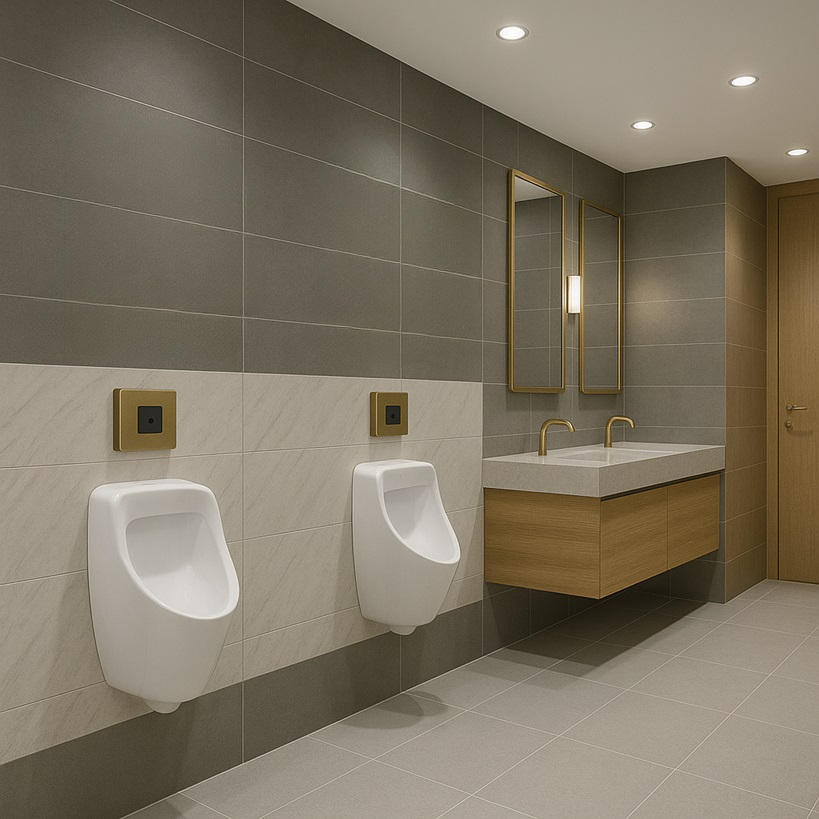
Workplace restroom recessed auto flush urinal systems with clean wall planes and accessible service strategy
Workplace Visual — prioritize service access and spare parts alignment at spec stage.

Hospitality • guest perception, quiet actuation, finish coordination

Design-Forward
Priority Criteria quiet + refined wall plane
Low-noise actuation Finish durability Fingerprint masking Controlled flush timing
  • Engineer + designer overlap: recessed systems protect components while keeping the wall plane calm—important for premium public areas.
  • Noise + behavior: stable timing prevents double-activation patterns that guests interpret as malfunction.
  • Finish coordination: choose faceplates that align with door hardware and partition palettes; verify cleanability under frequent wipe-down.
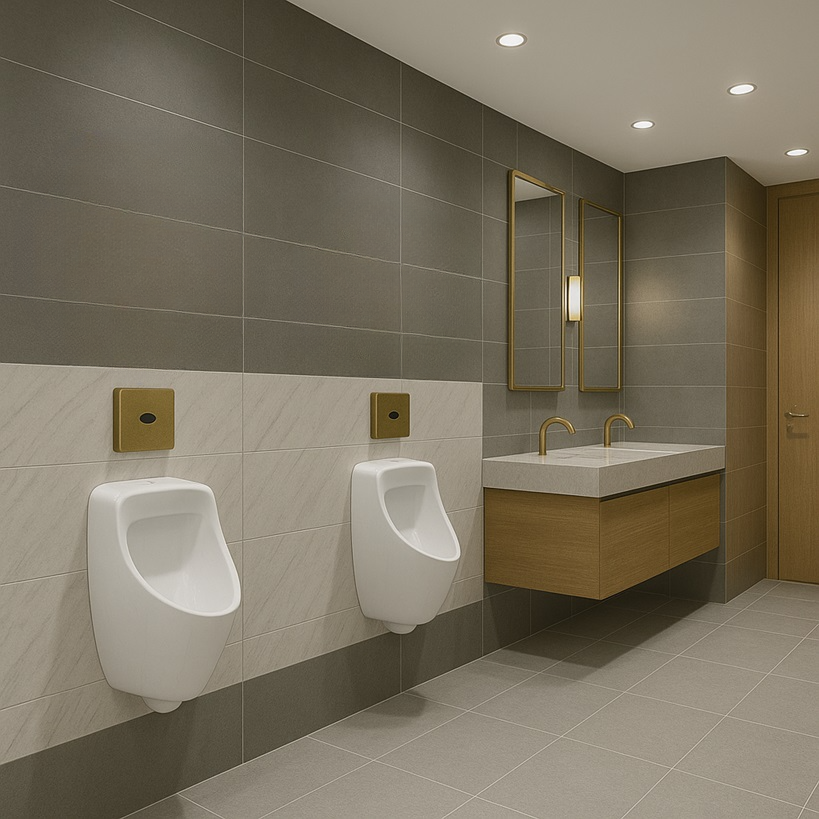
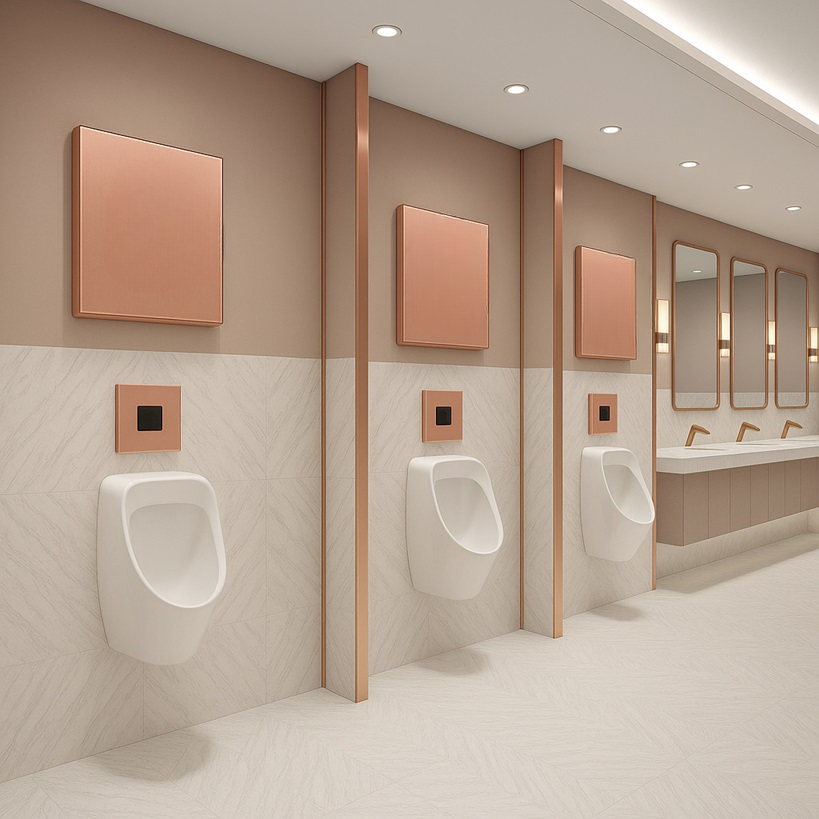
Hospitality heavy-duty recessed urinal flush valve system with refined wall plane and durable faceplate finish
Hospitality Visual — recessed faceplates support a clean wall plane with protected components.
Guest restroom recessed auto flush urinal systems with controlled timing and service-friendly access
Guest Areas — prioritize controlled timing and quiet behavior for premium restrooms.

Public / Institutional • maximum misuse exposure, aggressive cleaning, uptime

Spec-Ready
Priority Criteria protected design + rapid repair
Protected components Tamper resistance Fast serviceability Leak risk control
  • Risk control: engineers prioritize safeguards that reduce continuous-flow events (a single runaway valve can waste significant water quickly).
  • Service kit strategy: standardize seal/diaphragm kits and filters for quick repairs across multiple buildings and crews.
  • Cleaning resilience: verify finish durability under disinfectants and repeated wipe-down; ensure faceplate hardware is tamper-resistant.
Public institutional heavy-duty recessed urinal flush valve system supporting tamper resistance and reduced downtime
Institutional Visual — protected faceplates reduce damage and support rapid service during peak use.
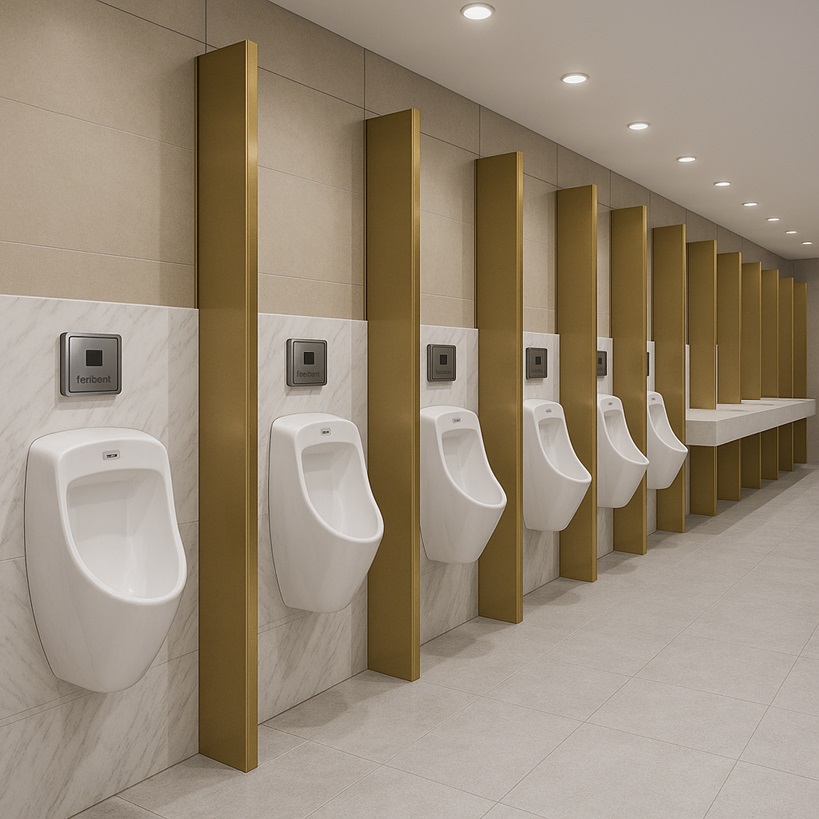
High-traffic public restroom recessed auto flush urinal system engineered for durability and water risk control
Public Restrooms — prioritize anti-runaway safeguards and standardized service kits.

FAQ — Specifying Heavy-Duty Urinal Flush Valves

What defines a “heavy-duty” commercial urinal flush valve in the field?
Engineers typically look for robust valve body materials, protected faceplate architecture (often recessed), stable sensing logic, tamper-resistant fasteners, and a clear service path for wear parts (filters/strainers, diaphragm kits, seals, and actuator modules). The goal is predictable performance with minimal downtime.
Which details matter most in submittals before approval?
Confirm rough-in depth, finished wall assumptions, service access strategy, sensor range/timing settings, power requirements, and replacement kit availability. A good submittal should clearly show how the unit will be maintained without wall demolition or extended shutdowns.
How can engineers reduce downtime risk after turnover?
Standardize models, pre-select service kits, document commissioning settings, and require front-service access where possible. Facilities also benefit from a scheduled filter/strainer inspection cycle and a battery replacement program if battery-powered units are used.
Where can I request BIM/CAD and spec packages for my project?
Use the Fontana BIM/Submittal hub to request CAD/BIM assets, CSI documentation, and project-aligned submittals.
What finish considerations matter for heavy cleaning environments?
Engineers and facilities teams typically prefer finishes and faceplates that tolerate disinfectants, resist abrasion, and visually mask fingerprints. Confirm recommended cleaning agents in maintenance guidance and ensure the finish aligns with the building’s hardware schedule.