Commercial touchless faucets increasingly function as connected assets—supporting monitoring, predictive maintenance,
and water-use analytics when integrated into broader facility workflows. This guide explains practical integration models
used in high-traffic restrooms across airports, healthcare, education, and public facilities.
Designed for: Facility Managers • MEP Engineers • Architects • Airport & University Operations
Reviewed by: FontanaShowers Technical Team • Last updated: January 28, 2026
Key Takeaways for AEC & Facility Teams
Integration is most valuable when it turns fixture behavior into actionable operations data—reducing downtime,
limiting nuisance calls, and enforcing consistent commissioning across a multi-site portfolio.
Higher Uptime
Abnormal runtime and power degradation can be flagged before end-user complaints.
Lower Water Waste
Analytics reveal extended run events and repeat activations that typically signal drift or misalignment.
Faster Service
Event-to-ticket mapping improves MTTR by routing issues to the right technician with context.
Integration enables proactive fault detection, verified commissioning, and data-driven maintenance. Instead of reacting
to failures, facilities teams gain early visibility into abnormal runtime, power degradation, and usage anomalies—reducing
downtime and repeat service calls.
Improved uptime through early fault alerts
Reduced water waste via anomaly detection
Standardized commissioning across multi-site portfolios
Shorter maintenance response cycles
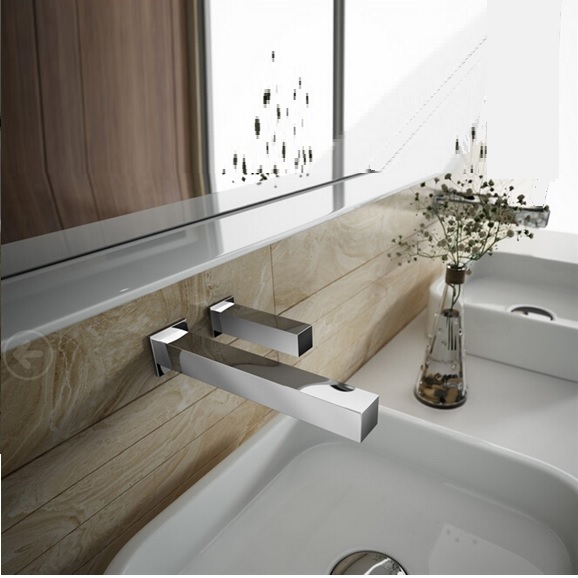
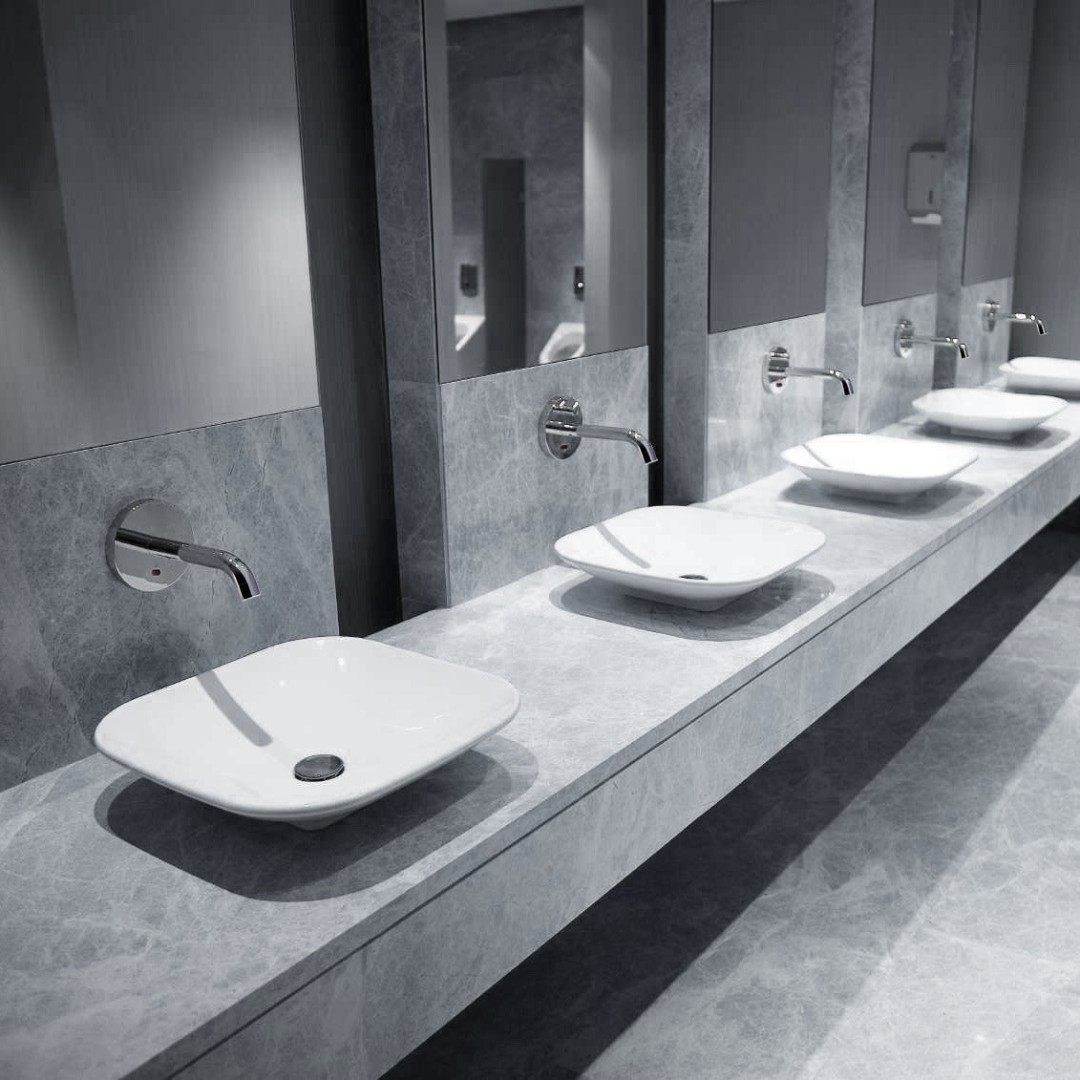
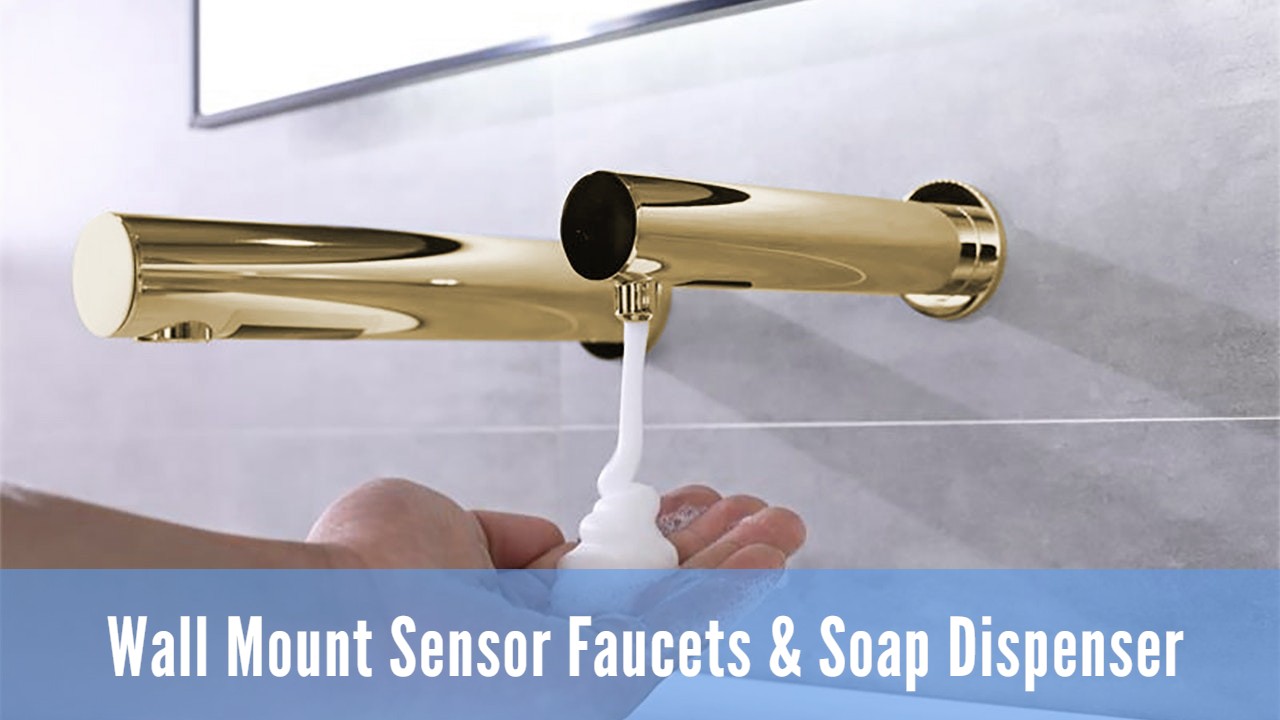
Touchless faucet platforms suitable for monitored restroom deployments.Integration supports hygiene, uptime, and compliance in healthcare environments.Multi-fixture coordination improves service visibility across high-traffic zones.
Reference Architecture
Most deployments follow a practical signal path: fixture → controller/gateway → dashboard → CMMS workflow → facility team.
The diagram below shows a common reference model used in high-traffic restroom operations.
Make the data operational
Integration is most effective when alerting rules are tuned to traffic patterns and verified during commissioning.
Pair this page with Problems with Touchless Bathroom Faucets
to reduce misdiagnosis and repeat calls.
Commissioning & Maintenance Workflow
Use this commissioning sequence to establish stable sensor behavior, accurate thresholds, and clean work-order routing before
enabling fleet-wide alerting.
How do touchless faucets integrate with facility systems?
Integration uses event and health signals routed into facility dashboards or CMMS platforms, enabling alerts,
analytics, and service workflows without disrupting restroom operation.
Can alerts be configured to avoid false triggers?
Yes. Threshold windows, quiet-hours rules, and sustained-event logic reduce nuisance notifications while preserving
early fault detection and uptime planning.
Does integration affect water efficiency?
Analytics can identify abnormal flow or extended runtime, helping teams correct issues quickly while maintaining user
comfort and verified performance targets.
Find Out First
Get FontanaShowers emails of inspiration, new product releases, and more!