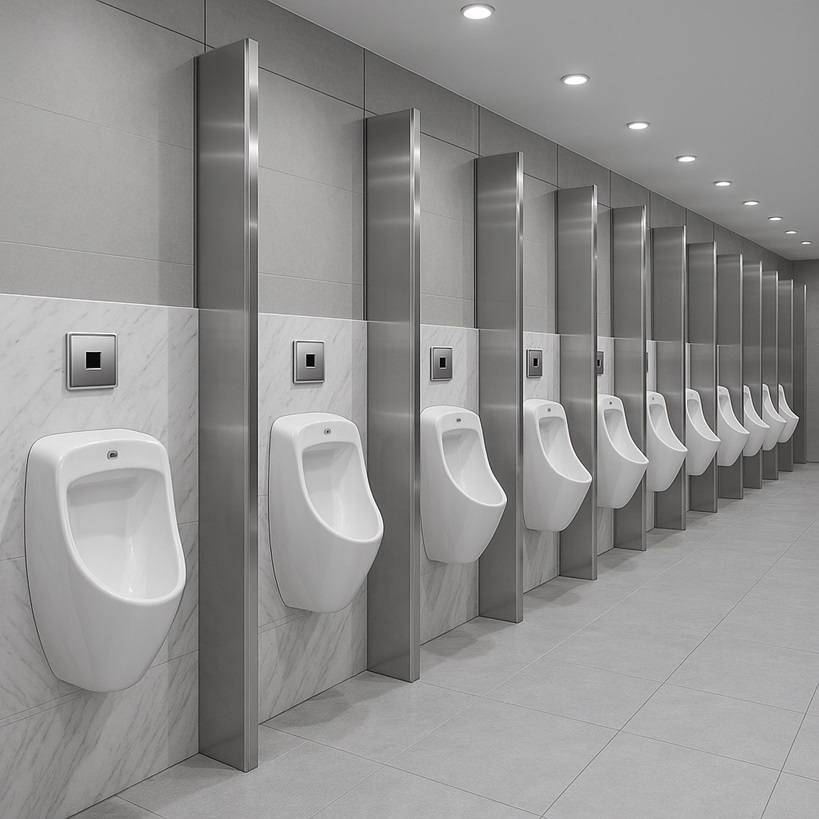
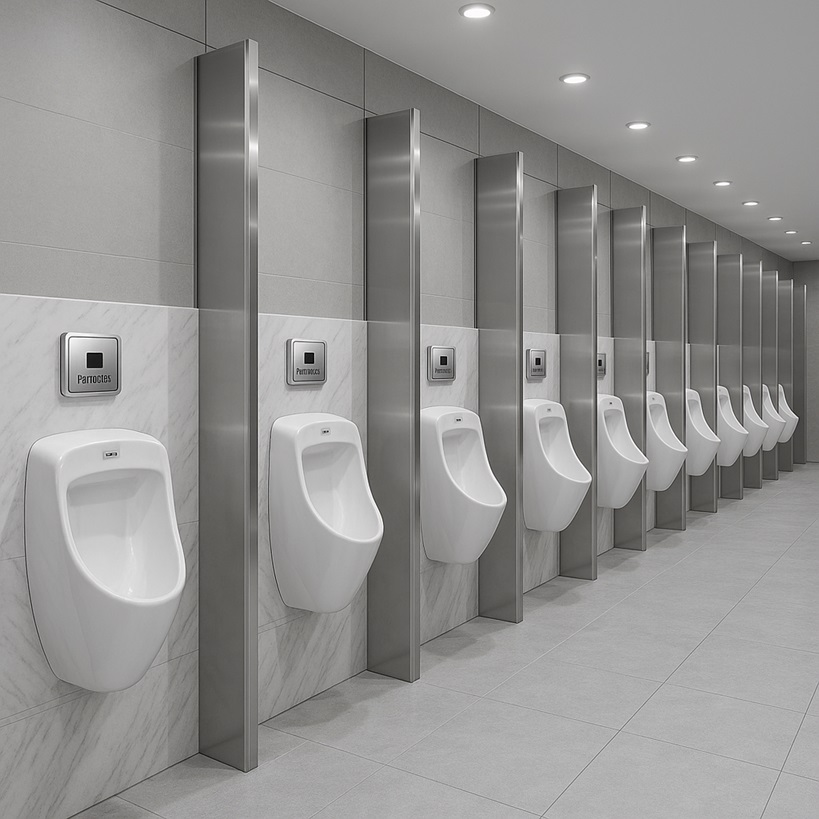
Low-Maintenance Auto Flush Urinals: Reducing Downtime in Public Restrooms
This AEC-focused guide explains how project teams reduce restroom downtime by selecting service-friendly auto flush urinal systems and documenting a simple preventive maintenance plan. Sections are organized by environment (airport, office, hospitality, public/institutional). Each section includes what to verify in submittals, what facilities teams need at turnover, and internal links to FontanaShowers specification resources.
Front-service accessQuick-clean lockoutFilter/strainer planNuisance-flush control
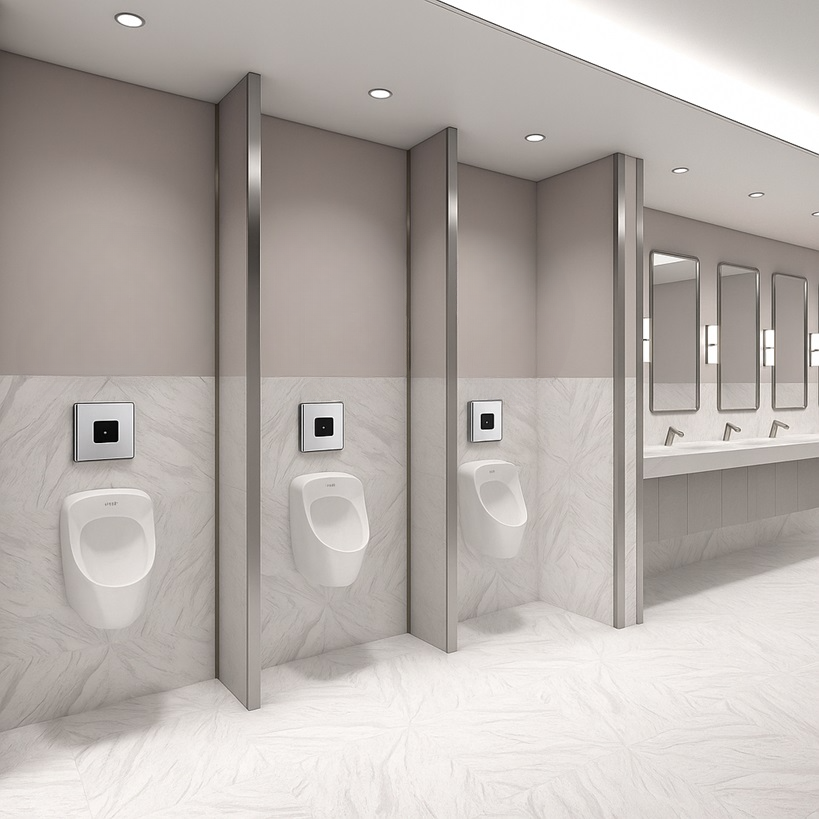
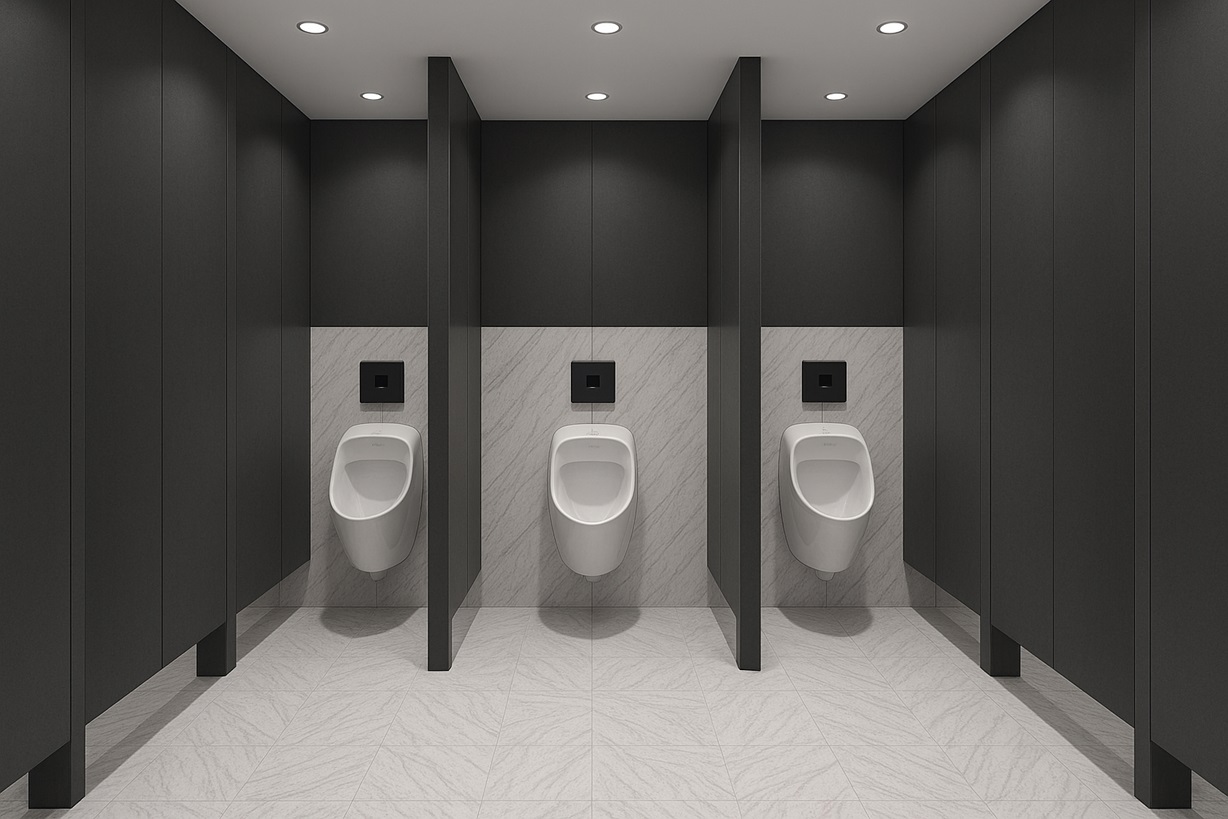
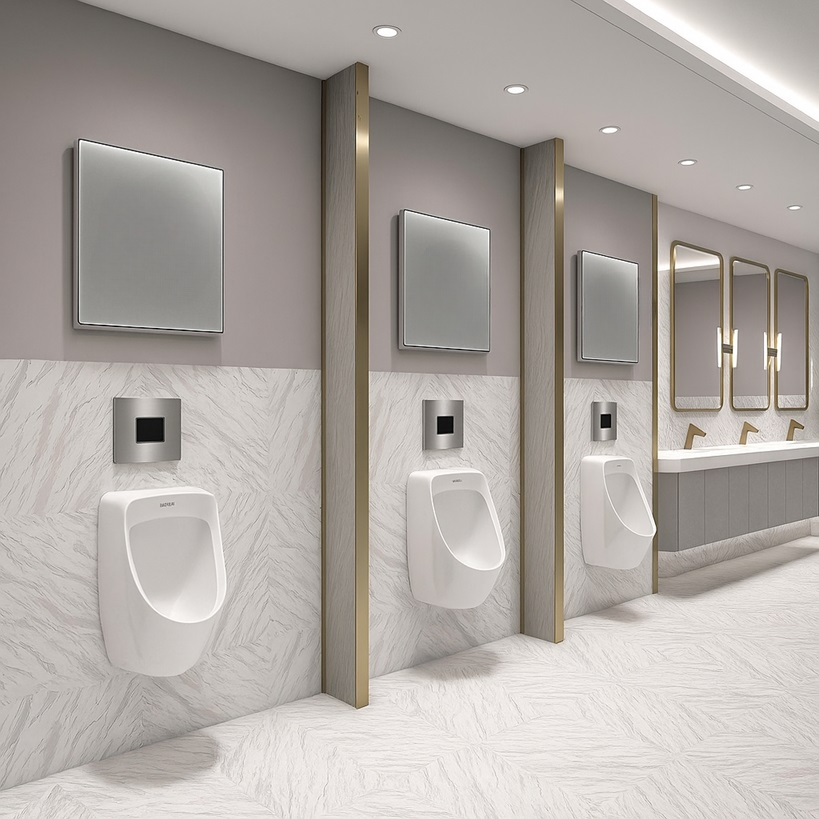
Choose serviceable architecture: recessed systems with accessible faceplates reduce time in chases and keep repairs “from the front” during operating hours.
Commissioning to prevent callbacks: tune range/delay to reduce nuisance flush events that trigger complaints and increase water use.
Spare strategy: standardize wear parts (diaphragm kits, seals, filters/strainers) so a technician can restore service in minutes.
FAQ — Reducing Downtime with Auto Flush Urinal Systems
What causes the most downtime in auto flush urinal systems?
Most downtime comes from debris-related flow issues (clogged strainers/filters), wear parts that weren’t standardized (diaphragm kits/seals), and nuisance sensor behavior caused by poor commissioning in varied stall geometries and lighting. A front-service access strategy and a simple preventive plan are the fastest fixes.
What’s the simplest preventive maintenance plan that actually works?
Keep it lightweight: quarterly filter/strainer inspection, periodic battery schedule (if used), and an annual check/replace cycle for diaphragm kits depending on traffic. Standardize parts so technicians can complete service quickly with minimal tools.
How do I minimize call-backs after turnover?
Require a commissioning checklist in the closeout package: sensor range, timing/delay, hygiene purge parameters (if applicable), lockout/cleaning modes, and a basic troubleshooting guide. Also confirm that submittals match the final wall depth and installed configuration.
Where can I request Fontana specs, BIM/CAD, and submittals?
Use the Fontana BIM/Submittal hub to request CAD/BIM, spec sheets, and project documentation aligned to your bid and construction timeline.
Do recessed systems help reduce downtime compared to exposed flushometers?
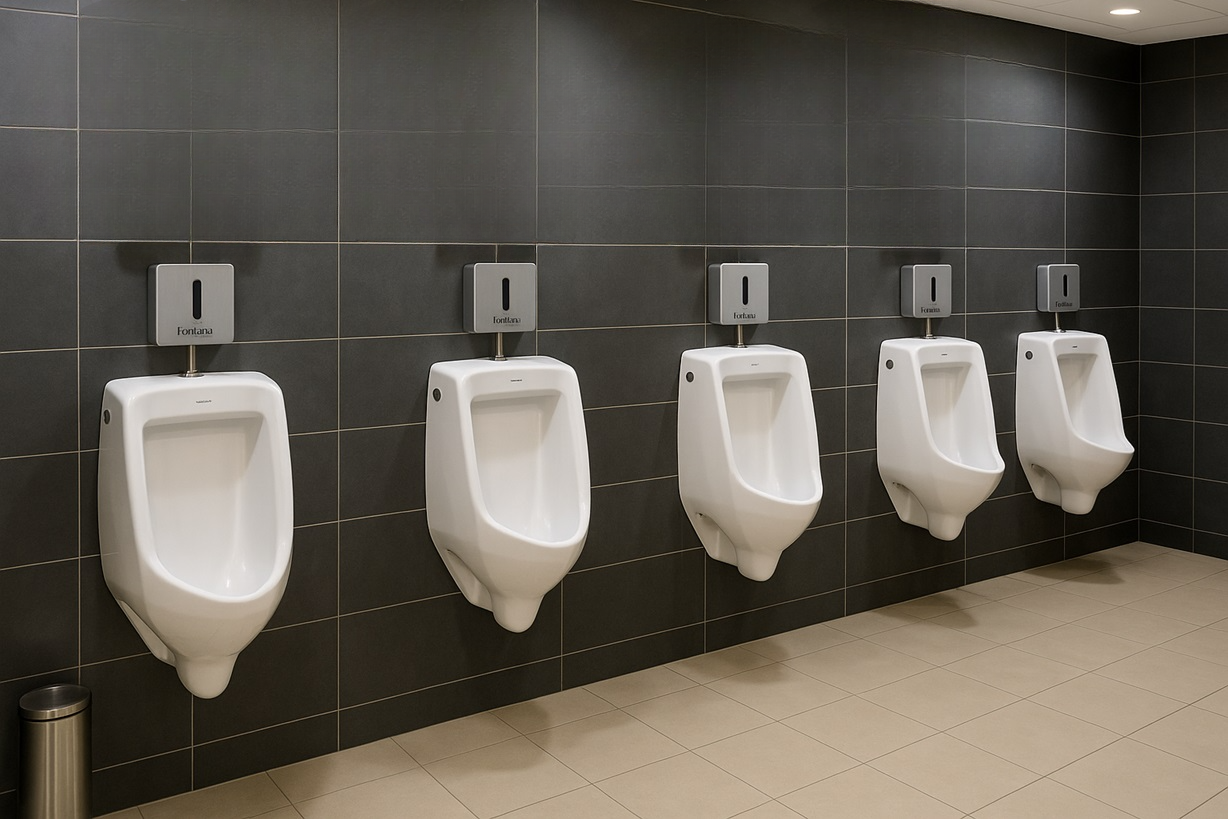
In many public environments, recessed systems can reduce damage exposure and simplify cleaning around hardware. The key is ensuring front-service access and a clear maintenance path for filters, actuator modules, and wear parts—so repairs don’t require extended restroom shutdowns.
Find Out First
Get FontanaShowers emails of inspiration, new product releases, and more!