Recessed Flushometer Systems for Modern Commercial Restrooms: Design + Performance Guide
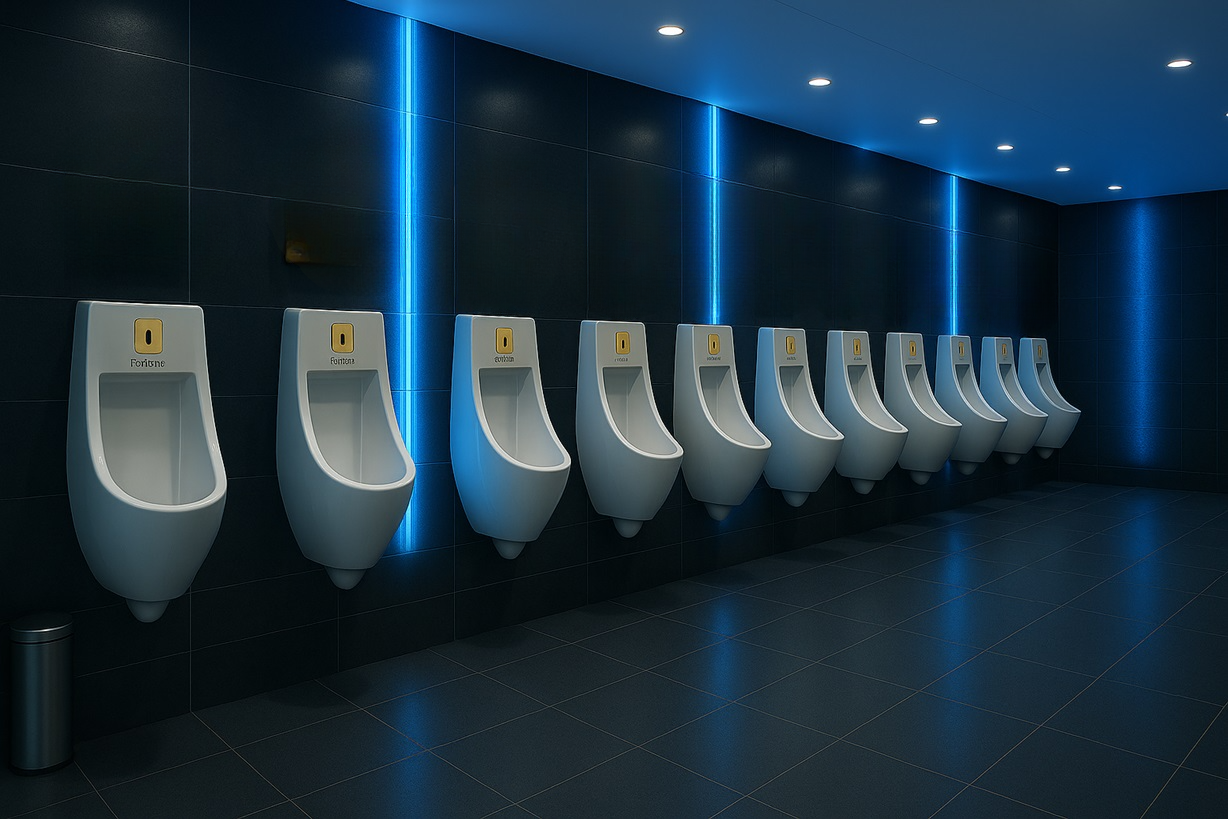
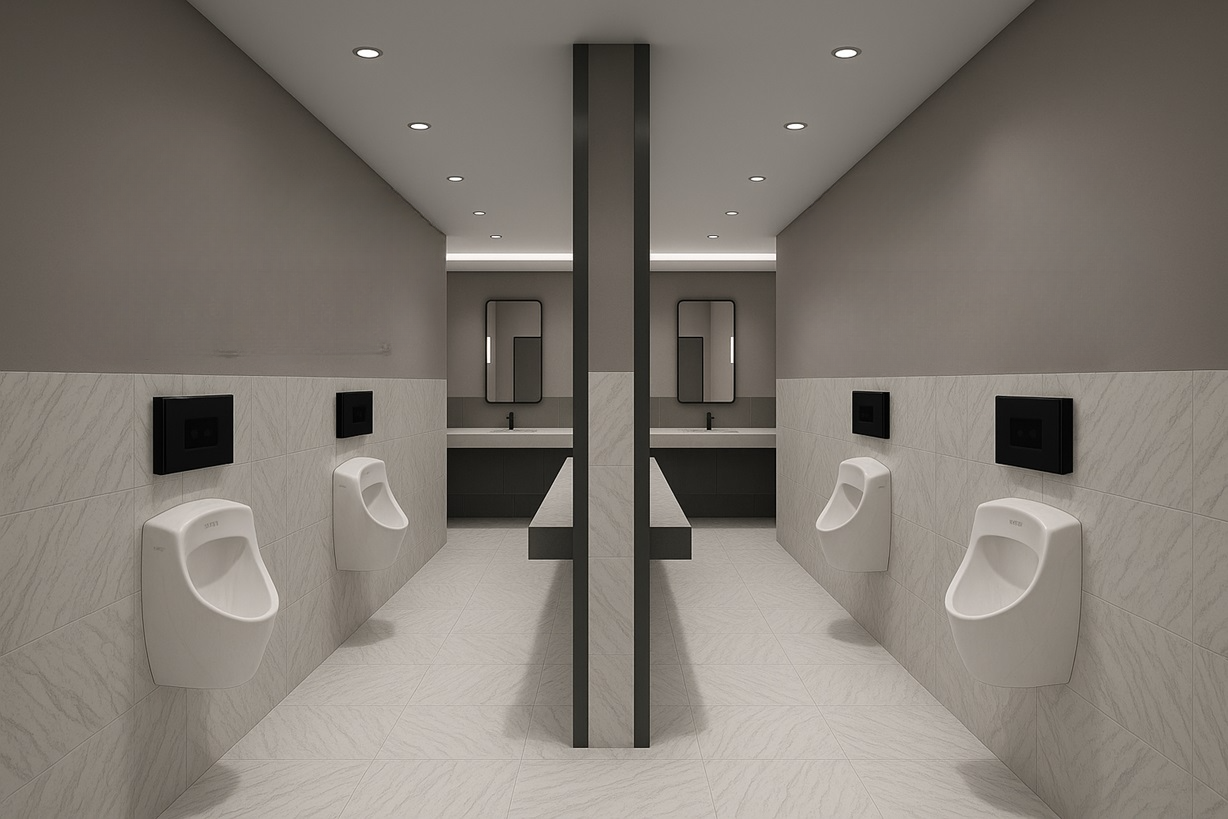
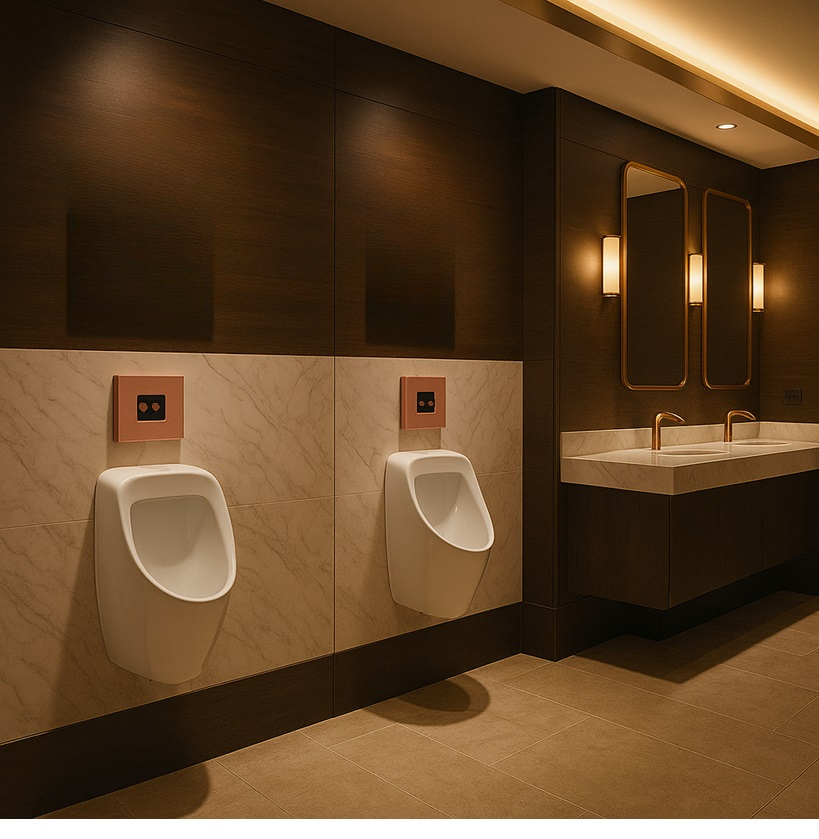
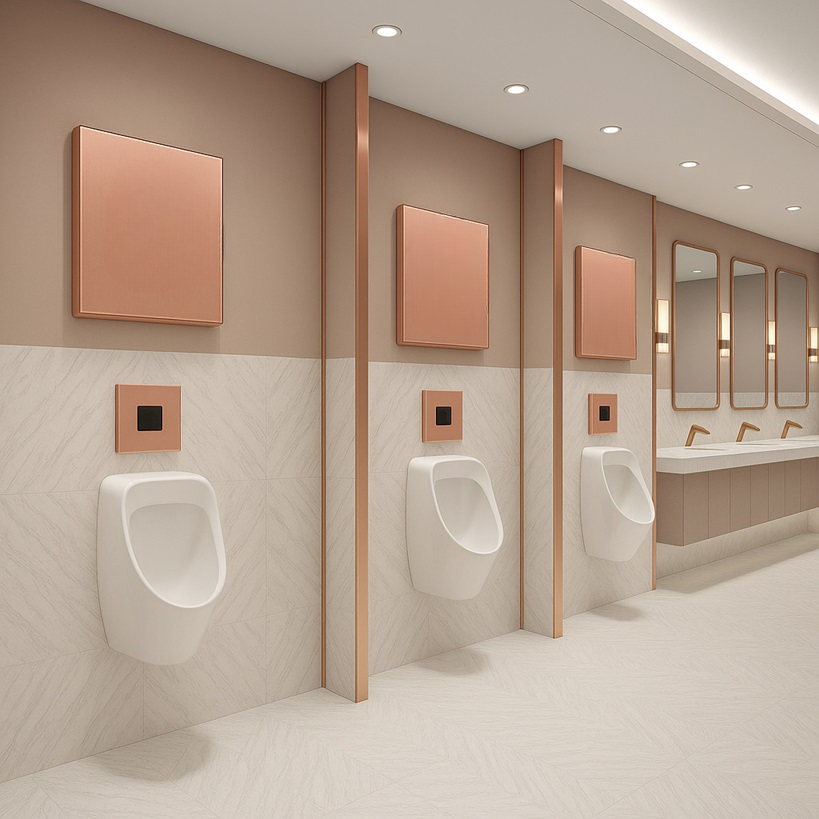
A spec-grade overview of recessed wall-in flushometer systems—how architects and engineers evaluate concealed layouts, serviceability, sensor behavior, and finish integration across airports, offices, hospitality, and public restrooms. Each card links to FontanaShowers pages where you can review recessed options and request specifications.
Why do recessed flushometer systems perform better in high-traffic restrooms?
Recessed systems reduce exposed valve bodies and piping, which lowers damage risk and simplifies wipe-down cleaning. They also concentrate service points behind a protected faceplate so maintenance can be performed faster and with fewer disruptions.
Do recessed systems reduce water waste compared to exposed flushometers?
They can. The main advantage is sensor stability and controlled flush behavior. When nuisance flushes and continuous-flow incidents are reduced, total water consumption typically improves—especially in airports and public restrooms.
What should engineers verify before approving a recessed flushometer system?
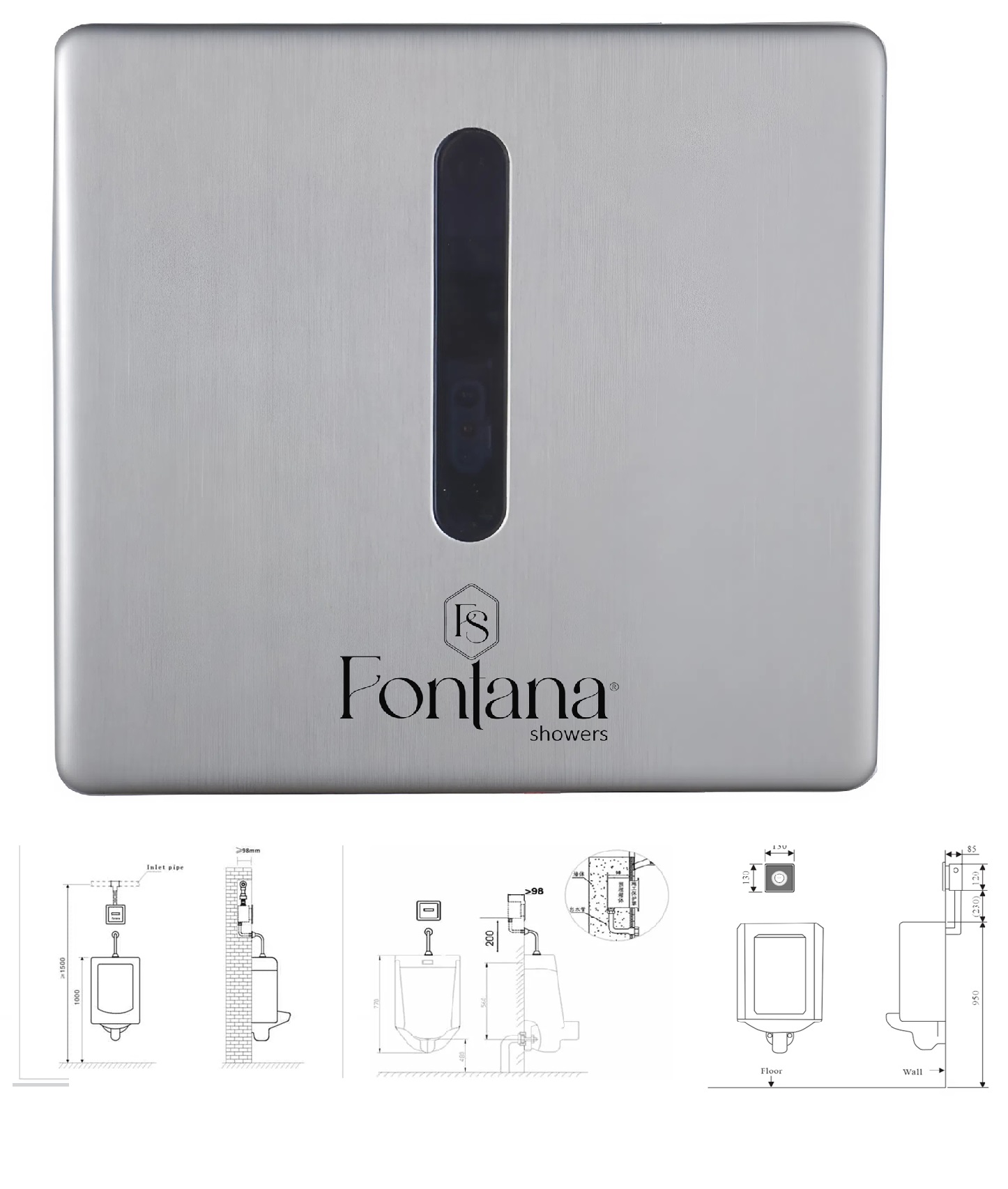
Verify rough-in dimensions, finished wall depth, faceplate access, valve body material, diaphragm/service kit availability, sensor behavior under ambient lighting, and power strategy (AC, DC, or hybrid). Use project-specific cut sheets for final confirmation.
How do I request submittals and BIM/CAD files?
Use Fontana’s BIM/Submittal hub to request CAD/BIM assets and spec packages aligned to your project schedule.
Which environments benefit most from recessed flush systems?
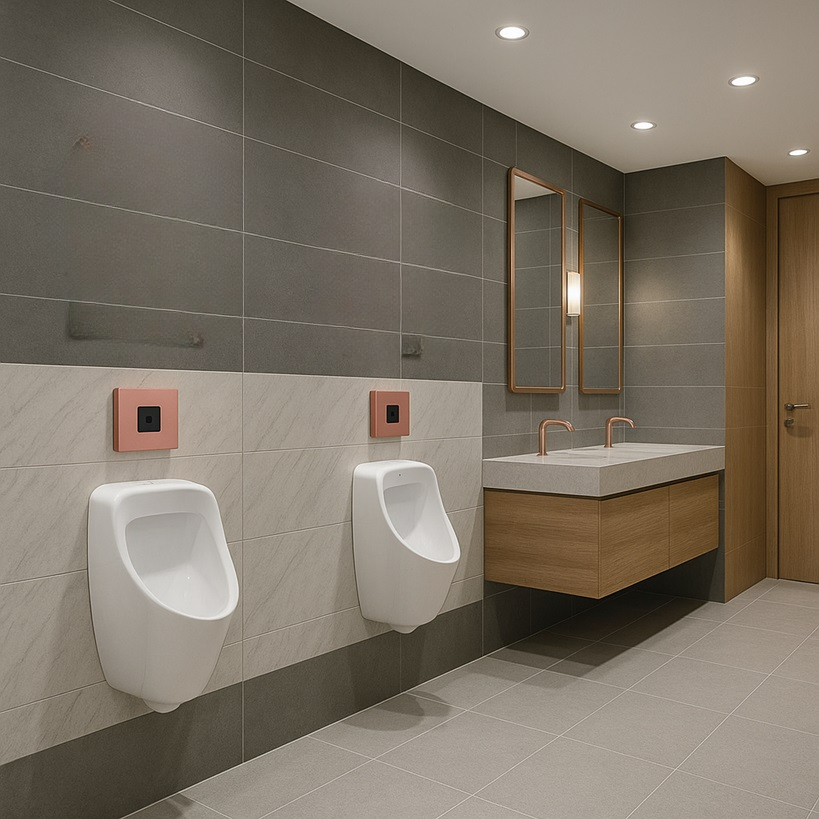
Airports, transit hubs, stadiums, universities, and public institutions benefit most due to reduced exposed hardware, faster maintenance access, and improved durability under peak usage conditions.
Find Out First
Get FontanaShowers emails of inspiration, new product releases, and more!