Home > Smart Sensor Urinal Flush Technology

Smart Sensor Urinal Flush Technology: Infrared vs. Manual vs. Dual-Flush Systems

An AEC-grade comparison of sensing and actuation strategies for commercial urinal flush systems. This guide explains what changes in submittals, commissioning, and long-term maintenance when you specify infrared (IR) sensor flush, manual flush, or dual-flush / hybrid configurations—organized by environment (airport, office, hospitality, public/institutional). Includes internal linking to FontanaShowers specification hubs and flush valve series pages.

Airport / Transit • crowd flow, variable lighting, rapid turnover

High-Traffic
Recommended IR sensor + tuned commissioning
IR stability Delay/lockout modes Anti-false trigger Front-service access
  • Infrared (IR) sensor: best fit when hygiene expectations are high and crowd flow is unpredictable—BUT only when the sensor range and delay are tuned for stall geometry and ambient light.
  • Manual flush: simple and power-free, but tends to underperform on hygiene consistency and can increase complaints in peak travel periods.
  • Dual-flush / hybrid: can be useful where facilities want touchless default with a manual override, but it adds parts and coordination—verify service access and spare strategy.
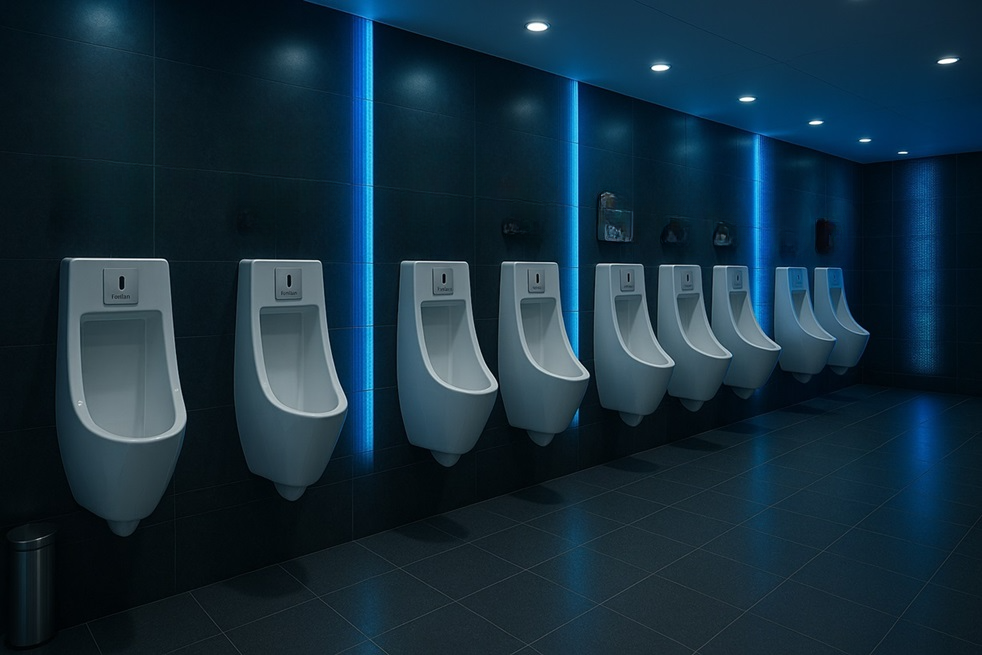
Airport restroom IR sensor auto flush urinal systems designed to support stable sensing and hygiene consistency
Airport Restroom — IR touchless systems support consistent hygiene when sensor parameters are tuned at commissioning.
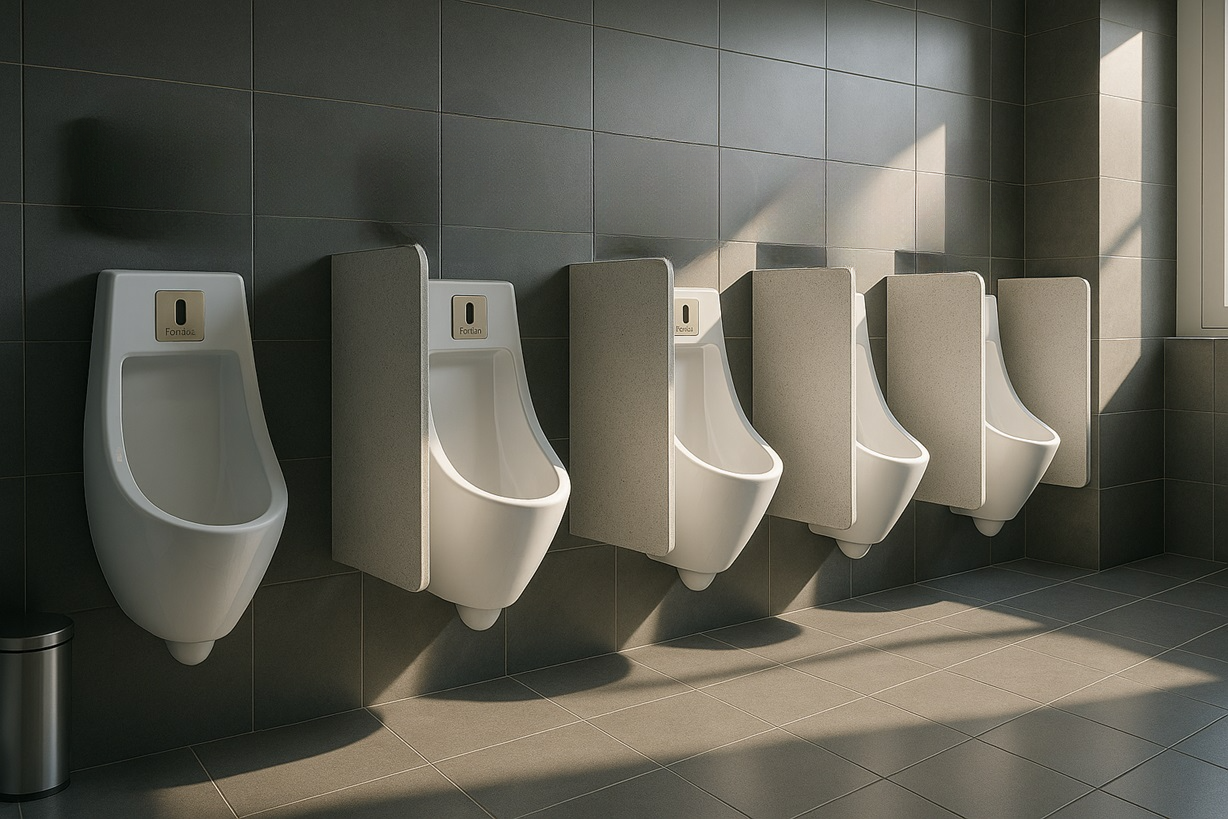
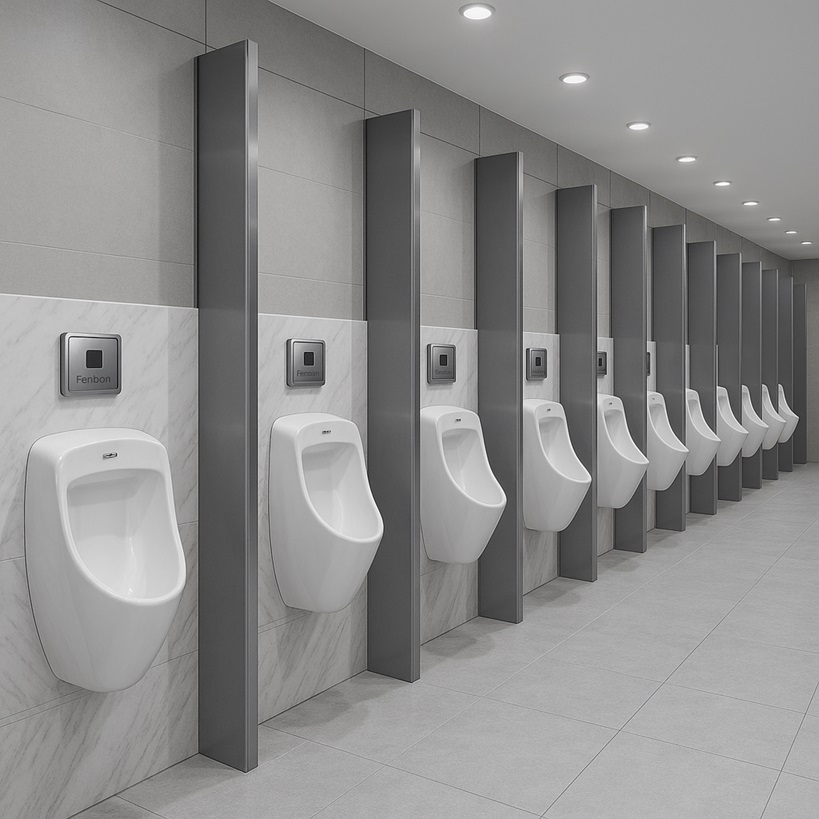
High-traffic transit restroom recessed auto flush urinal bank showing clean wall plane and service-friendly access strategy
Transit Bank — recessed architecture helps protect components and supports front-service maintenance.

Office / Workplace • predictable use patterns, cost control, standardization

Facility-Ready
Recommended IR sensor or hybrid (where required)
Standardize SKUs Battery program Stable settings Parts alignment
  • Infrared (IR) sensor: reduces touchpoints and improves consistency, especially in shared core restrooms and multi-tenant floors.
  • Manual flush: can be acceptable in limited-access employee areas, but requires user compliance and tends to create uneven performance from room to room.
  • Dual-flush / hybrid: consider only if the facility requires override functionality; otherwise, standard IR with clear maintenance docs tends to be lower complexity.
Office restroom IR sensor auto flush urinal systems designed for standardization and predictable maintenance
Office Restroom — standard IR systems support repeatable specs and predictable maintenance programs.
Workplace restroom auto flush urinal bank showing recessed wall integration and clean wall plane design
Workplace Bank — recessed integration helps keep wall planes clean and supports facility-friendly service access.

Hospitality • guest experience, quiet behavior, refined finish coordination

Design-Forward
Recommended IR sensor with controlled timing
Quiet actuation Controlled delay Finish durability Clean wall plane
  • Infrared (IR) sensor: preferred for guest perception—fewer touchpoints and more consistent operation when tuned for the stall and urinal geometry.
  • Manual flush: acceptable only in restricted staff areas; guest restrooms typically benefit from touchless operation and predictable timing.
  • Dual-flush / hybrid: useful where designers want a “hidden” override; confirm that the added complexity won’t increase downtime risk.
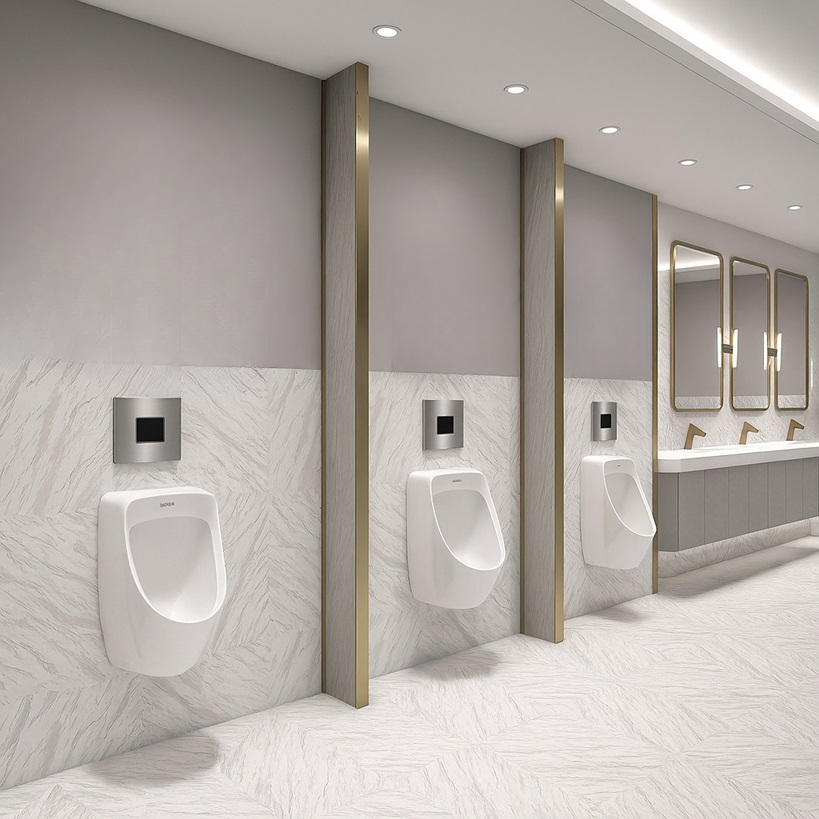
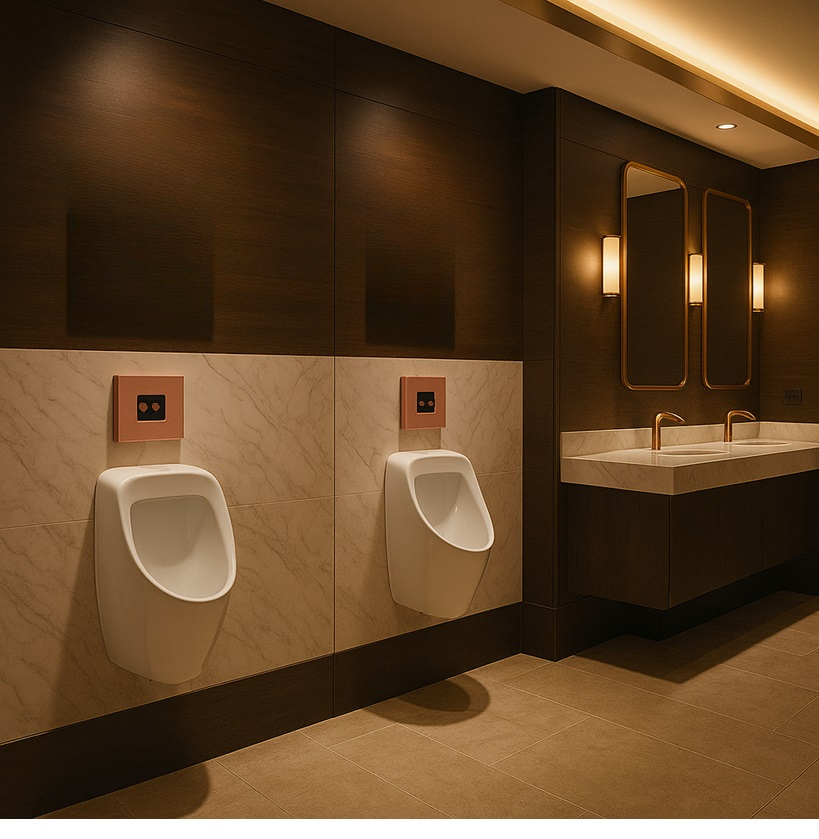
Hospitality restroom IR auto flush urinal system designed for refined wall integration and guest-facing cleanliness
Hospitality Restroom — IR touchless operation supports a premium guest experience with reduced touchpoints.
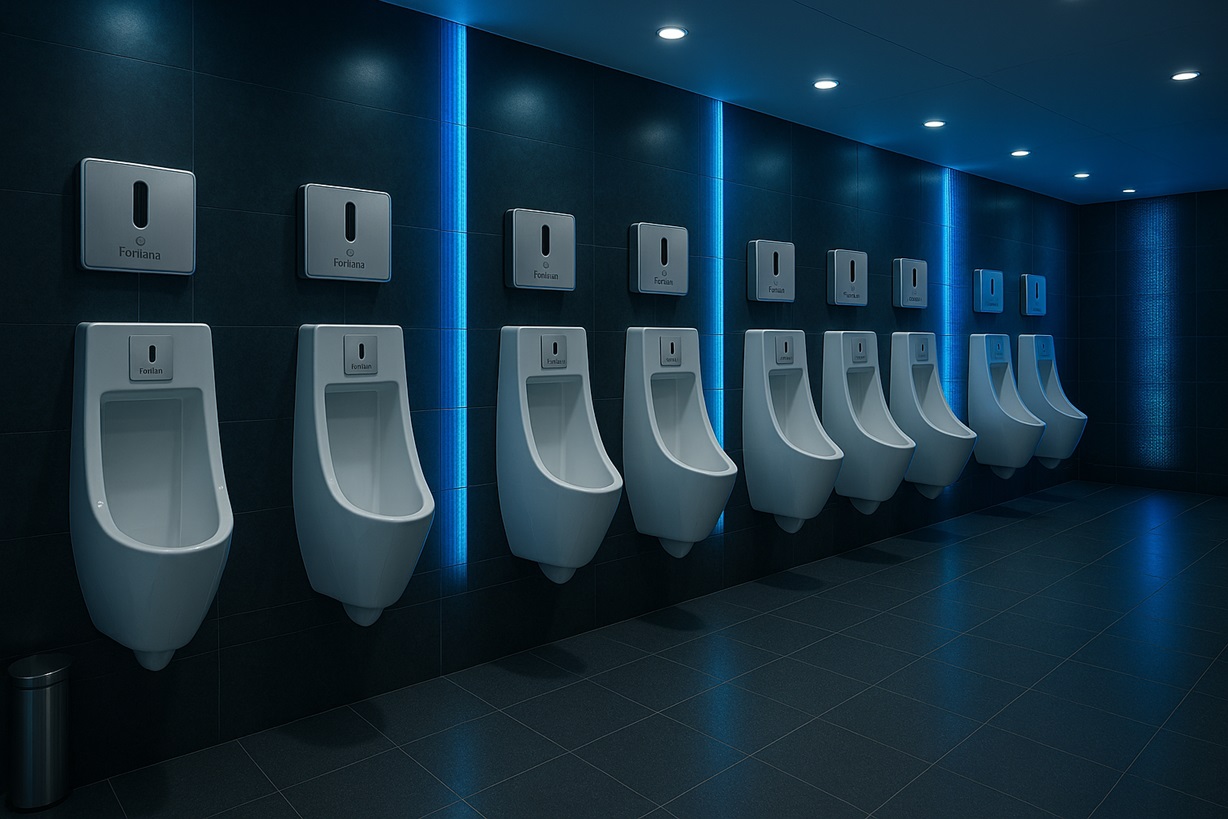
Guest restroom recessed auto flush urinal system with controlled timing to prevent nuisance flushing
Guest Areas — specify controlled timing to avoid nuisance flushing and improve perceived quality.

Public / Institutional • abuse exposure, aggressive cleaning, uptime control

Spec-Ready
Recommended IR sensor (protected) or manual (where mandated)
Protected faceplate Tamper resistance Wear-part kits Water risk control
  • Infrared (IR) sensor: strong for hygiene and consistency, but select protected systems and document commissioning to prevent false triggers.
  • Manual flush: lowest electronics risk, but relies on user compliance—often produces inconsistent results in schools and public venues.
  • Dual-flush / hybrid: can help where an override is required, but requires clear spare kit planning and a service routine that facilities can maintain.
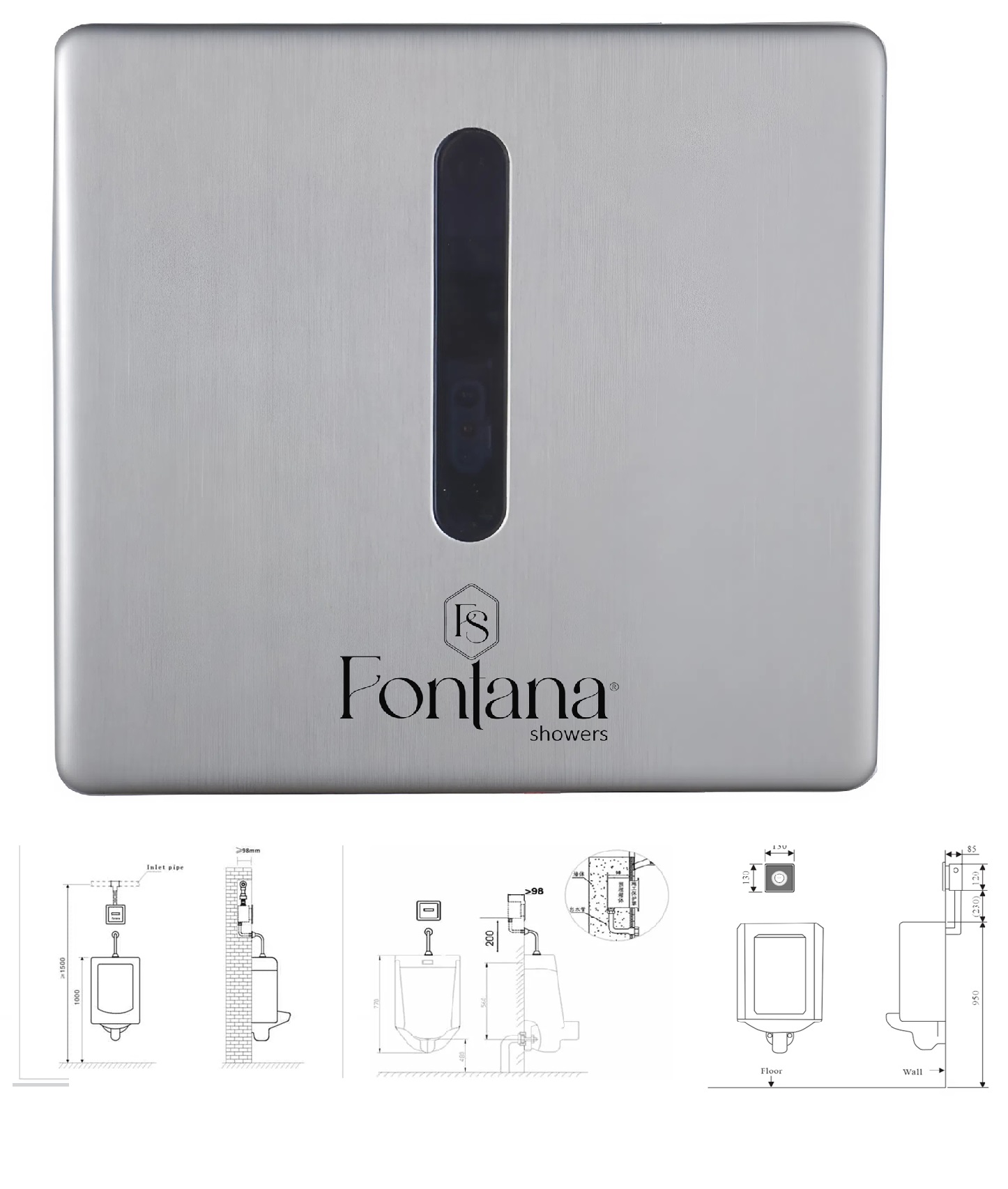
Public restroom IR sensor auto flush urinal systems with recessed faceplate designed for durability and easy cleaning
Public Restrooms — protected faceplates support durability and easier cleaning while maintaining touchless hygiene.
Institutional restroom auto flush urinal system demonstrating consistent flush performance and service-friendly maintenance access
Institutional Programs — standardize settings and parts to keep maintenance predictable across buildings.

FAQ — Infrared vs Manual vs Dual-Flush (Commercial Urinals)

When is IR sensor flush the best choice?
IR sensor systems are typically best when hygiene expectations are high and user compliance is unpredictable (airports, stadiums, public venues). To avoid nuisance flush, require commissioning notes in closeout: range, delay, lockout/cleaning mode, and any hygiene purge configuration.
Why do some projects still specify manual flush?
Manual flush can be selected for simplicity, power-free operation, or where local preferences mandate it. The tradeoff is consistency: performance depends on user behavior, which can increase odors and cleaning load in public programs.
What should be checked before approving a dual-flush / hybrid solution?
Verify that the added components do not compromise service access and that the spare-parts plan is clear. Project teams should confirm rough-in details, wall depth, actuator service path, and how the override behaves during cleaning and peak traffic.
Where can I obtain specifications, BIM/CAD, and submittals?
Use the Fontana BIM/Submittal hub to request CAD/BIM assets, spec sheets, and documentation aligned to your project.
What finish considerations matter for public and hospitality restrooms?
Select faceplates that resist abrasion and tolerate disinfectants. Fingerprint visibility and glare control also matter in guest-facing restrooms. Facilities teams benefit when finishes are standardized across restroom banks to reduce ordering errors and visual mismatch.