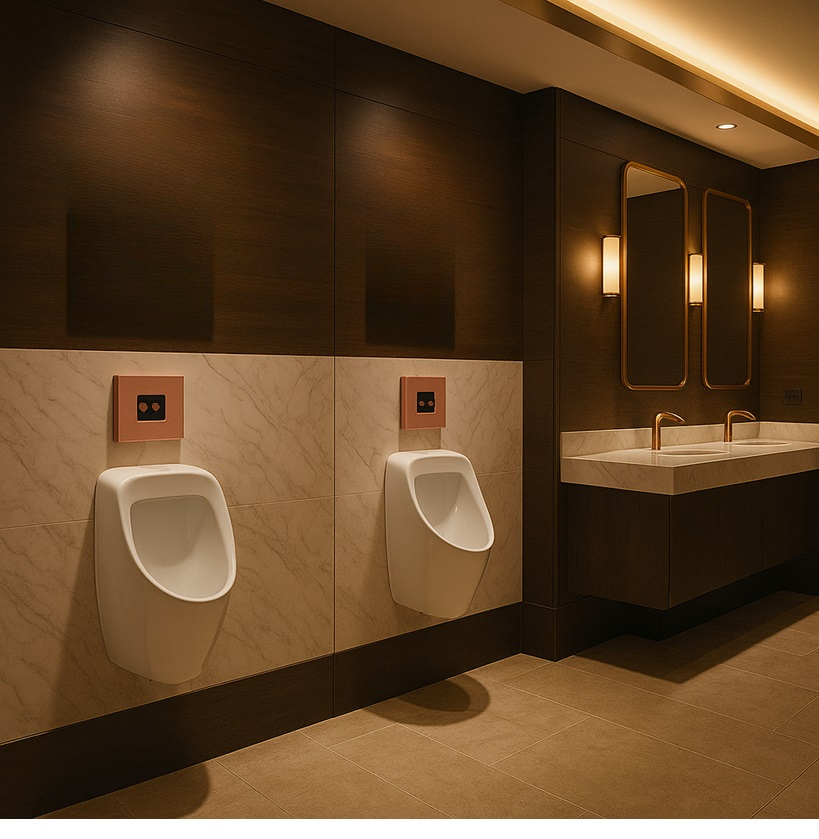
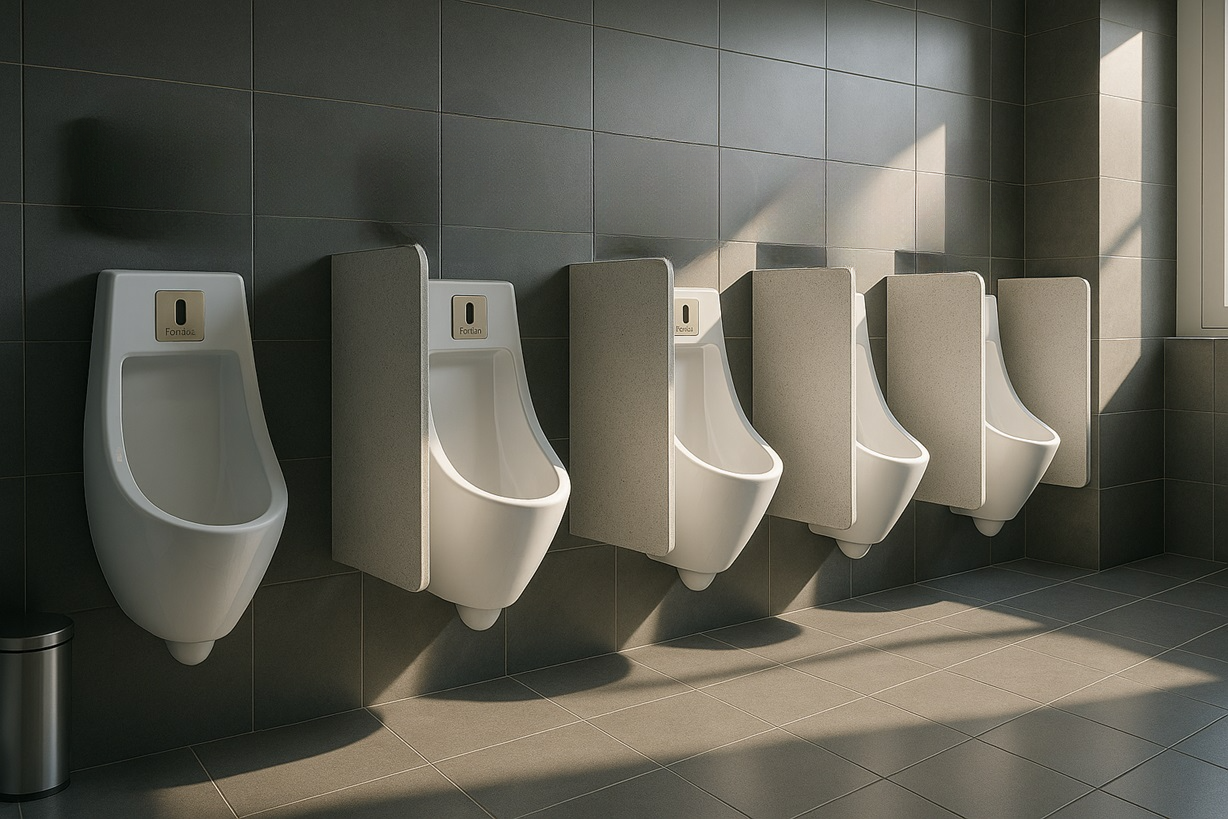
How Sensor-Operated Urinal Flush Systems Reduce Water Waste in Commercial Buildings
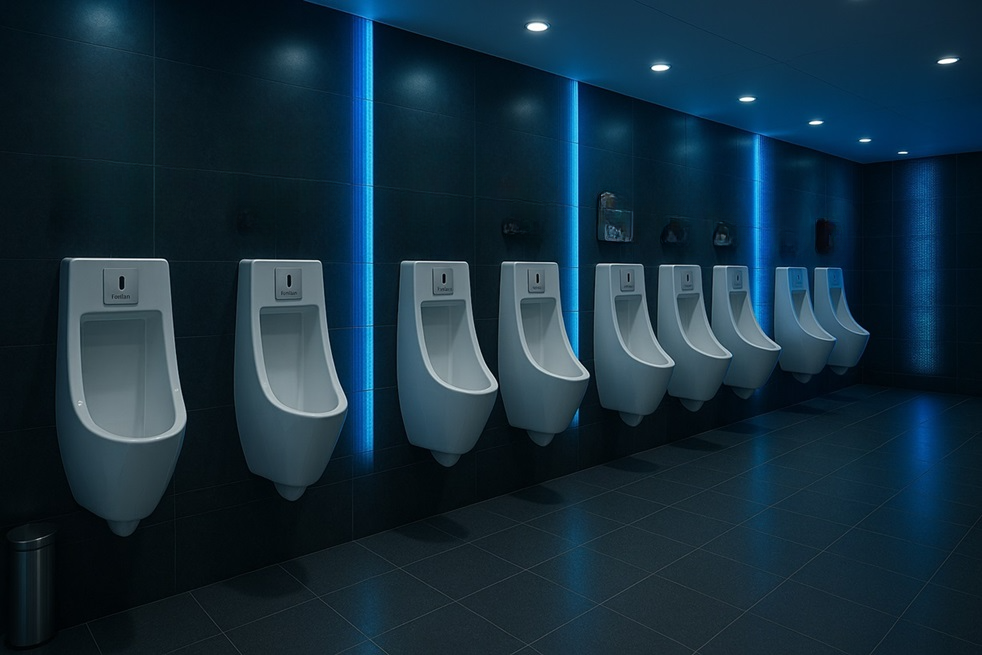
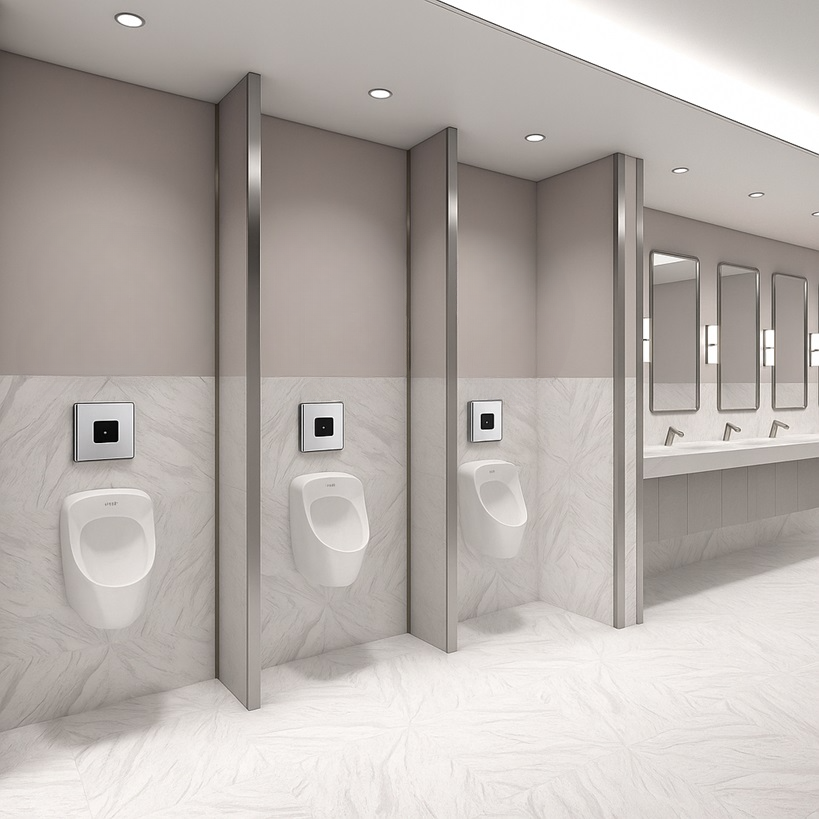
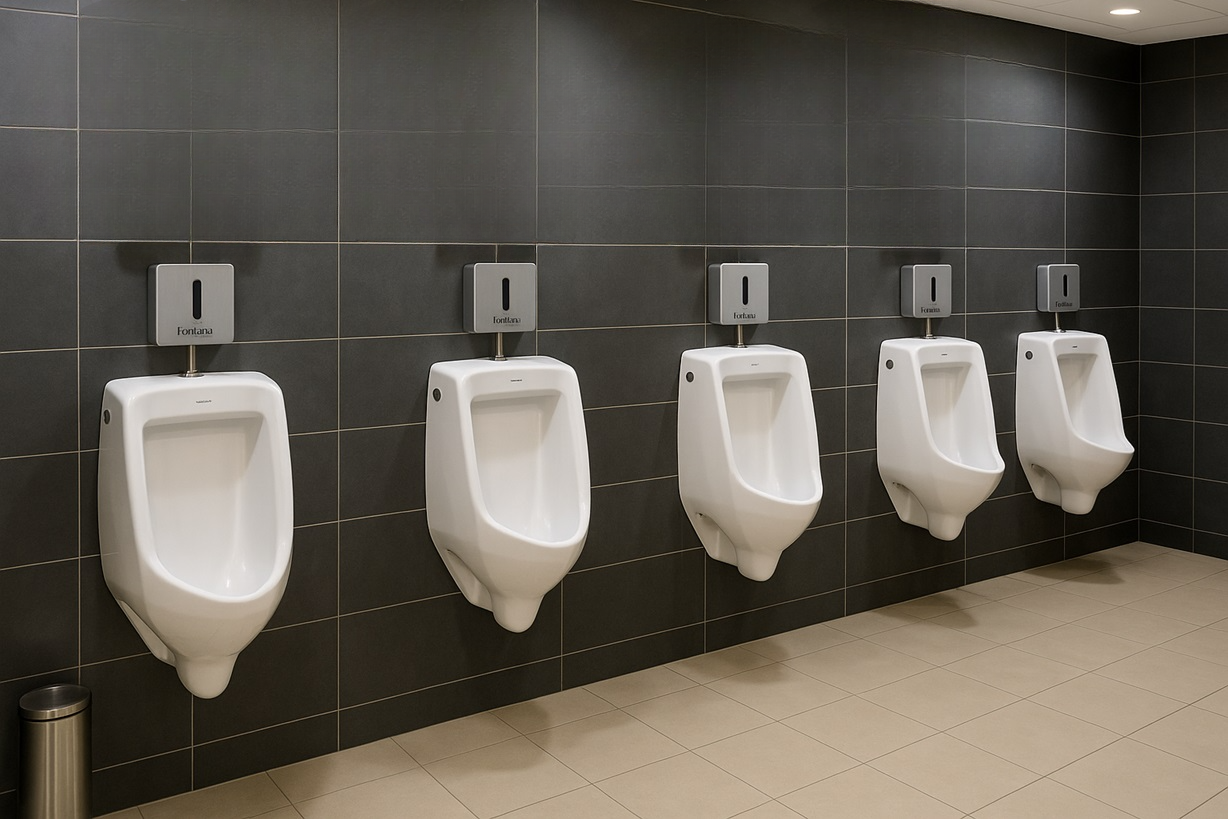
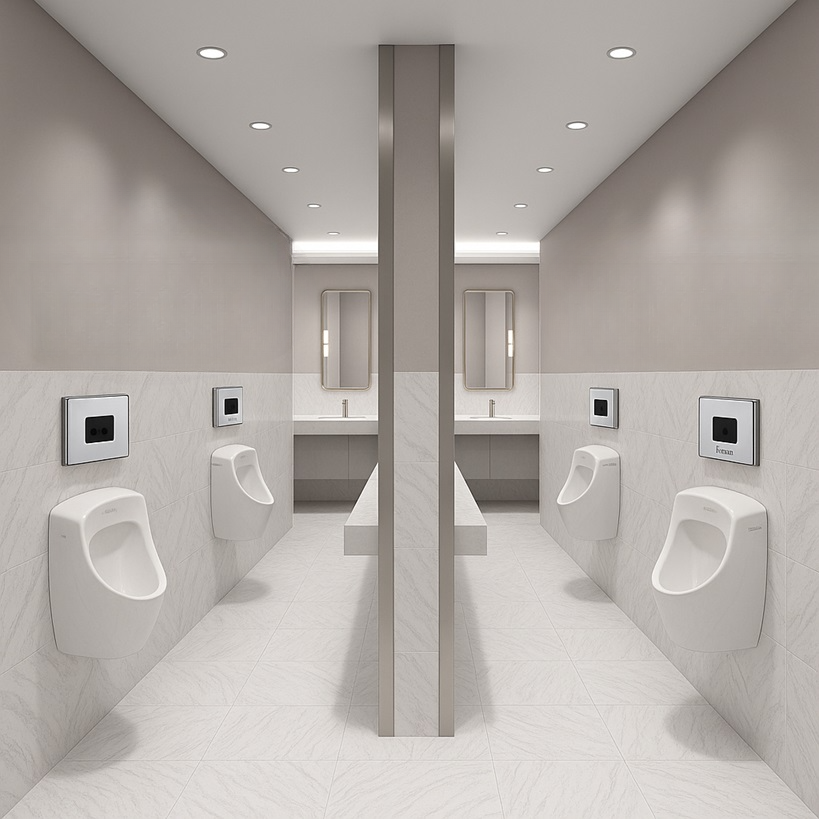
A practical, spec-grade explanation of how sensor flush logic, valve engineering, and commissioning controls reduce water waste—organized by environment (airport, office, hospitality, public/institutional). Each section links to Fontana technical pages for recessed auto-flush and specification resources.
FAQ — Water Waste Reduction with Sensor Flush Systems
What causes the most water waste in commercial urinal flush systems?
The biggest sources are nuisance flushes (false triggers), over-flushing due to misconfigured timing/volume, and continuous-flow incidents caused by worn parts or tampering. Sensor stability, commissioning, and shutoff behavior are the most effective countermeasures.
Do recessed systems help reduce water consumption?
Yes. By protecting components and concentrating service access behind a faceplate, recessed systems reduce damage-driven leaks and speed up repairs. Combined with stable sensor logic, they reduce nuisance flushing and continuous-flow waste events.
How do I obtain technical specs, BIM/CAD, and submittals?
Which setting adjustments typically produce the best water savings?
Most sites benefit from tuning detection range, adding a brief delay to avoid rapid repeat triggers, setting lockout windows, and confirming flush volume matches fixture requirements and code allowances. Commissioning to the stall geometry is essential.
Which environments show the fastest ROI on sensor flush systems?
Airports, stadiums, universities, and public institutions usually see the fastest ROI because small reductions in nuisance flushes and leak events multiply quickly under high daily usage volumes.
Find Out First
Get FontanaShowers emails of inspiration, new product releases, and more!