FontanaSculpt™ — White Finish Edition
SKU:
FS9000WH
Ceramic construction
Ultra-quiet operation
Clean visual integration
★★★★★ Architect — "Seamless flush and pristine white finish elevate restroom aesthetics."
★★★★★ GC — "Easy access and reliable sensor tuning make spec reviews a breeze."
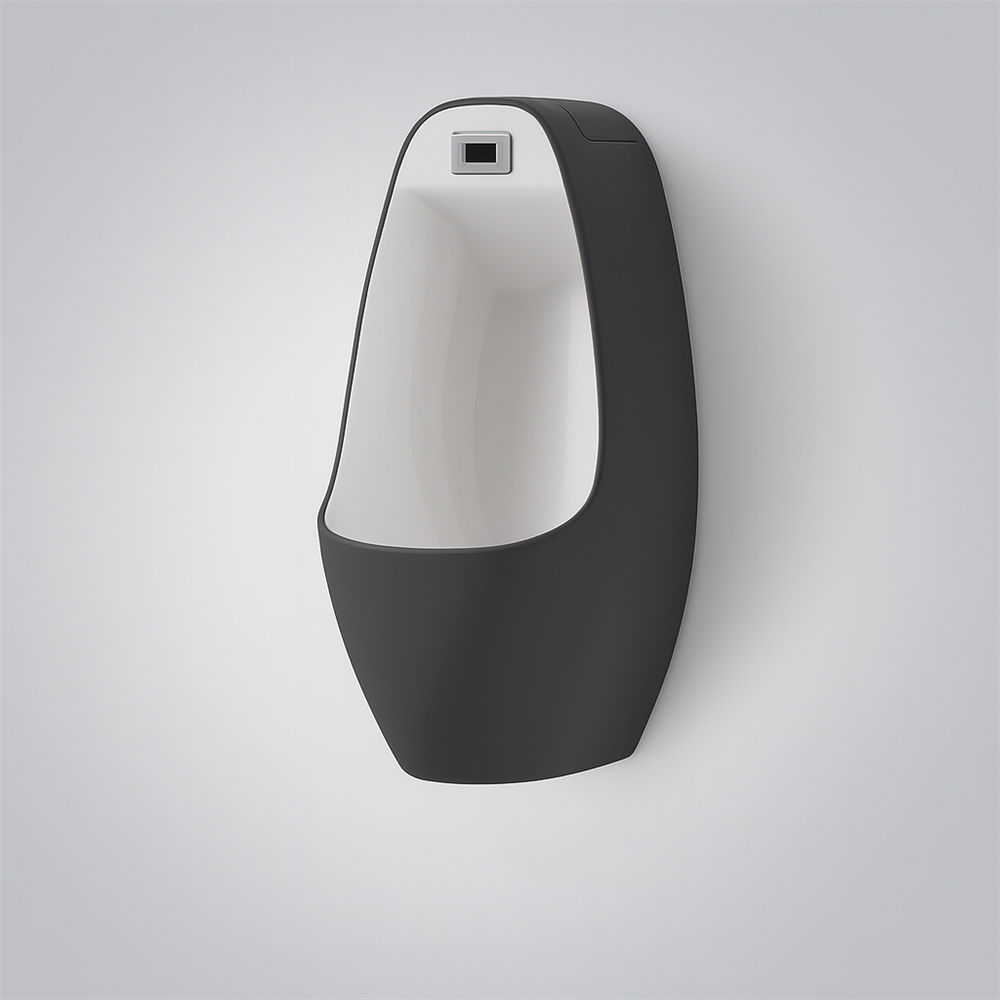
FontanaPure™ — Matte Black Edition
SKU:
FS8992MB
Ceramic material
Infrared sensing
Water-saving siphon flush
★★★★★ Interior Designer — "Matte black finish creates bold statement while minimizing fingerprints."
★★★★★ Facilities Manager — "Consistent flush performance and clean sensor response—even under variable lighting."
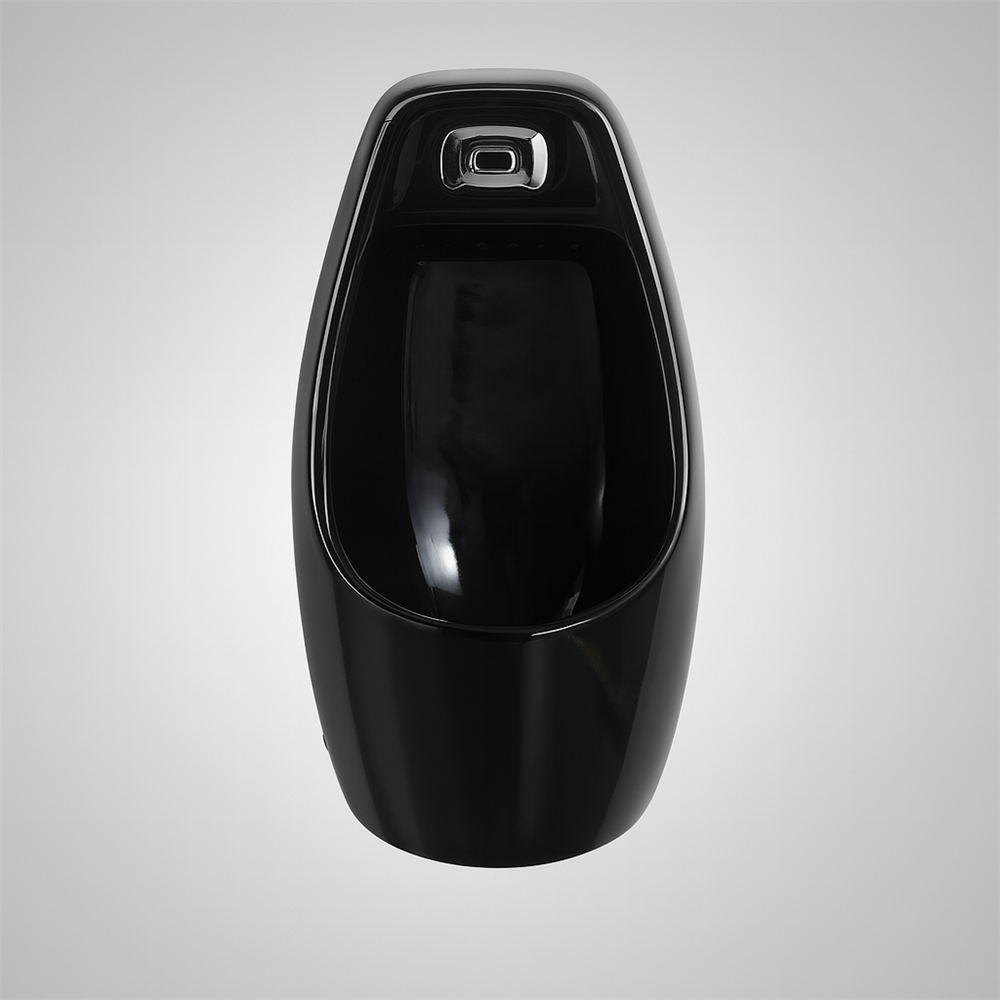
FontanaAero™ — Ceramic Black
SKU:
FS9001BL
Wall-mounted back-spud
AC-powered infrared flush
Low-maintenance ceramic
★★★★★ Architect — "Ceramic Black is durable, bold, and perfect for high-end commercial restrooms."
★★★★★ Project Manager — "Flush logic is reliable; the surface is easy to maintain long-term."
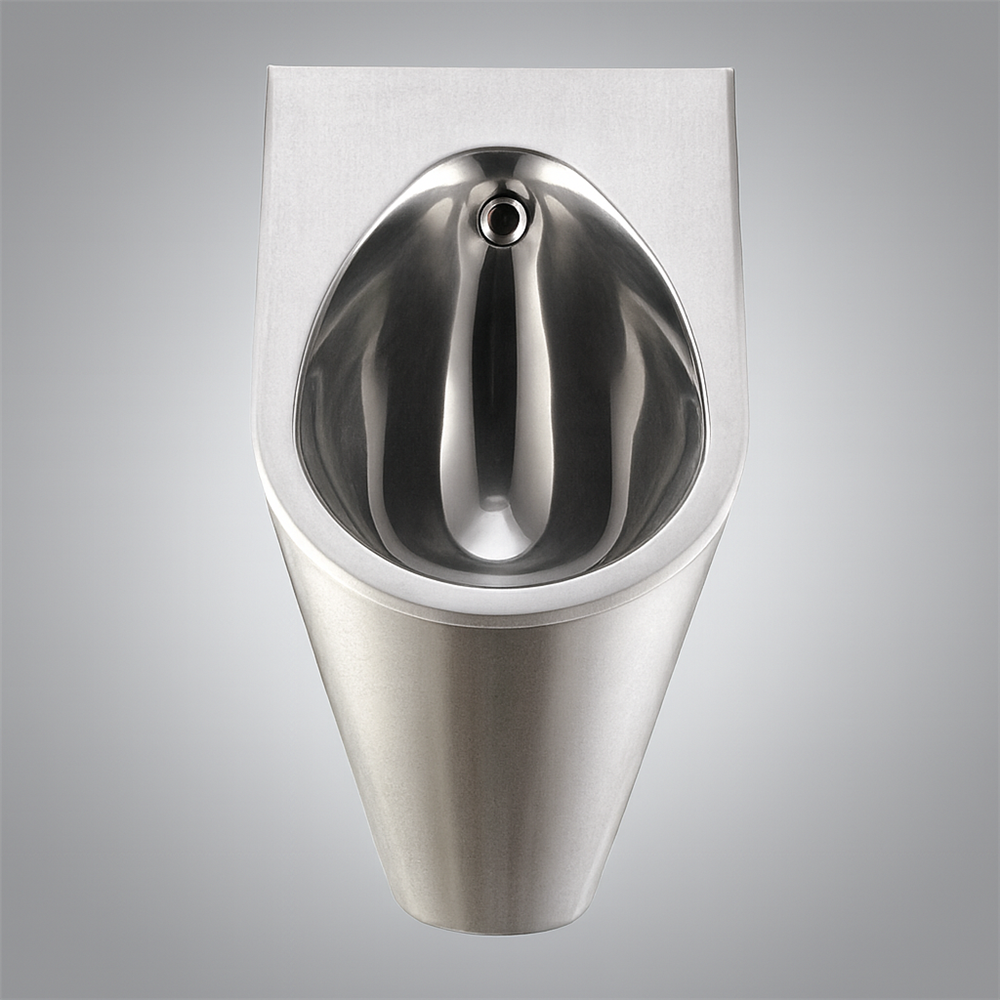
FontanaNova™ — Silver Edition
SKU:
FS8993SL
Slim stainless steel
AC inductive sensor
Conservation-oriented flush
★★★★★ Hospitality Designer — "Silver layout is sleek; space-efficient and perfect for boutique hotel restrooms."
★★★★★ Facilities Lead — "Flush cycles are dependable, and the finish stays pristine under heavy use."
|
|
Hospitality • Commissioning & Reliability
Power & Commissioning for Sensor Urinal Flush Valves in Hospitality
The fastest path to “no callbacks” is correct commissioning: sensor range discipline, flush timing calibration, and power strategy that matches the building’s maintenance model. This guide frames setup like an AEC spec review—so the system performs predictably on Day 1 and Day 1000.
Commissioning Is Where Premium Flush Systems Win

In hospitality, “touchless” is only the headline. The true performance story is commissioning: a sensor urinal flush valve must be tuned to the space,
not just installed. Lobbies, restaurants, and conference venues have reflective finishes, variable lighting, and inconsistent traffic patterns that can
trigger nuisance activations if range and timing are left at generic defaults.
This is why specifiers increasingly look for sensor systems that behave predictably after calibration. The goal is simple: flush when the user is done,
not when a passerby crosses the detection window. When you multiply this across a 6–12 urinal bank and then across multiple restrooms in a property,
commissioning discipline becomes a direct operating cost lever. Fewer false triggers means less water, less noise, fewer guest complaints, and less
“mystery downtime.”
The FS8116GR – SmartFlush FX
is an example of a spec-forward selection where the faceplate finish supports modern hospitality palettes while the system is positioned as a controllable
commercial flush platform. In AEC terms, this matters because tuning and documentation reduce handover friction.
Battery vs Hardwired: Choose Based on Maintenance Reality

The “best” power strategy is the one that matches the building’s operational model. In a boutique hotel with a small engineering team, battery systems
can be attractive because they reduce electrical coordination and speed retrofit work. In a large resort with dedicated maintenance cycles and planned
shutdown windows, hardwired systems can reduce the long-term labor of battery replacement and keep performance consistent over time.
When specifying battery-powered systems, the operational win comes from standardization. If the property uses a consistent SKU family, the team can keep
one battery type and one service routine across multiple restrooms. That reduces “single-fixture failure” risk—the situation where one oddball unit has
a different service profile and causes repeated callbacks.
For dark finish hospitality restrooms (monochrome palettes, high-contrast design), the
FS8111DG – Go Automatic
supports the finish strategy while still presenting as a commercial-grade touchless flush solution. The specifier mindset here is “finish + service
repeatability,” not finish alone.
Range Discipline: The Fix for Reflective Hospitality Surfaces

Hospitality restrooms love glossy tile, mirrors, polished stone, and dramatic lighting—exactly the ingredients that can confuse poorly tuned sensors.
Range discipline is your best protection. The spec objective is to set detection distance so the valve recognizes a user at the fixture but ignores
corridor movement or reflections.
A clean way to manage this is to treat range calibration like any other commissioning checklist item. Document the target detection zone, test across
multiple urinals, and confirm behavior with doors opening/closing and people walking behind the user. If one fixture is misbehaving, don’t assume the
whole product line is wrong—often it’s just one plate positioned differently, or one reflective surface causing an edge case.
The FS8109LG – LiteConnect
is a good example of a modern plate direction that fits premium design—while still needing disciplined tuning like any professional flush system. When
the commissioning process is repeatable, you achieve what hospitality owners actually want: fewer interruptions and a consistently “clean” user
experience.
Make Handover Smooth: Use Specifier-Ready Documentation

Hospitality projects fail when knowledge is lost at turnover. If the commissioning settings, service steps, and replacement logic are not documented,
the property ends up reacting—calling vendors, pulling tiles, or swapping parts unnecessarily. Specifier-ready documentation is not marketing; it’s an
operational requirement.
FontanaShowers supports this workflow by enabling a clear documentation pathway through its submittal resources and BIM families. When the project team
references the same product IDs through design, procurement, install, and handover, it becomes much harder for errors to slip in. It also improves
owner trust—because the system feels professional and planned.
If you want to build a property standard around a single plate family, a model such as
FS8124LG – NovaFlow
can become that consistent baseline: one spec language, one installation expectation, one commissioning playbook. That’s how FontanaShowers competes at
the top tier—by behaving like a spec partner, not just a product vendor.
|
|
|