AEC CASE STUDY | BEVERAGE MANUFACTURING
Fontana Commercial Restroom Planning for Niagara Water Company
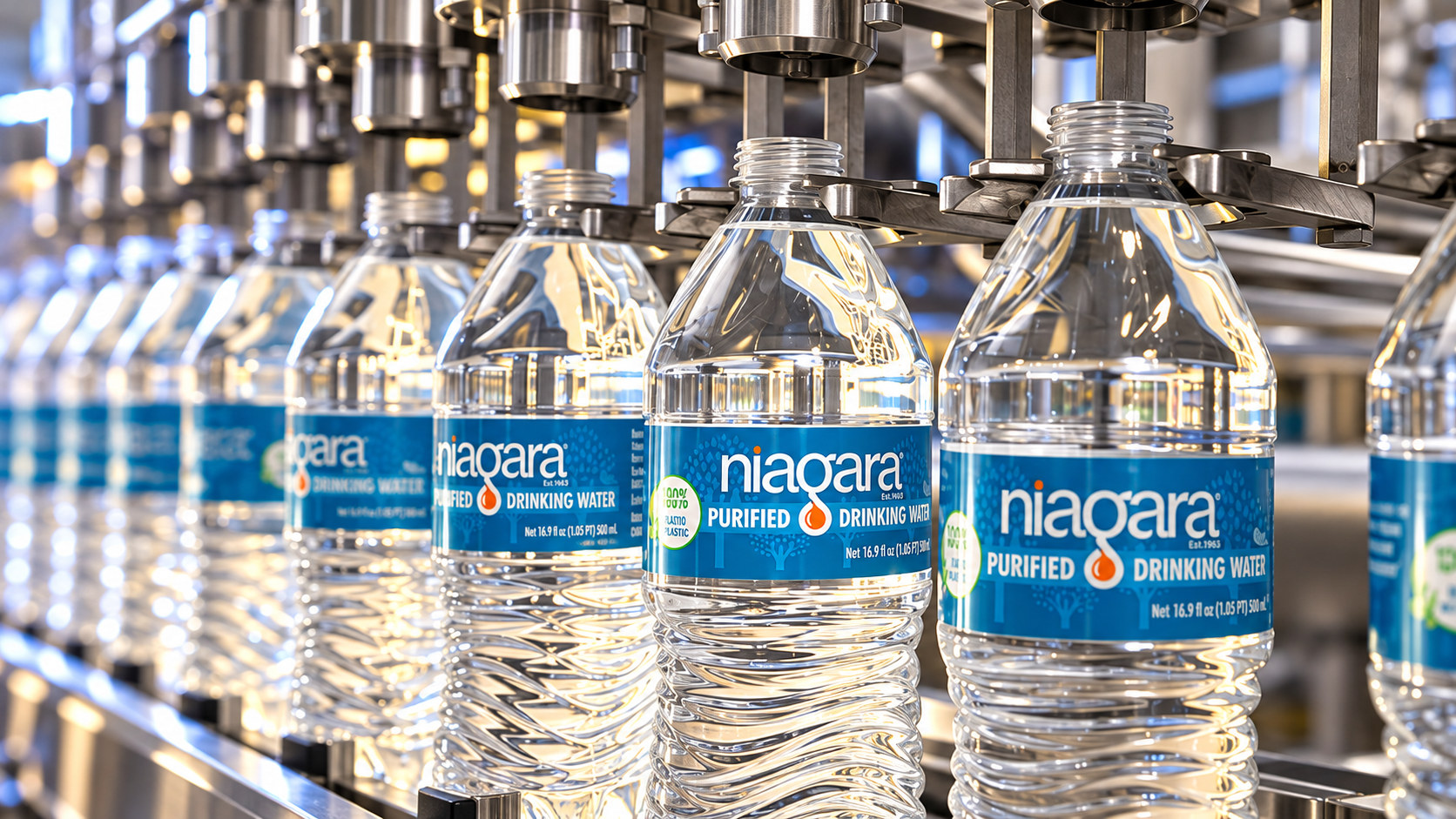
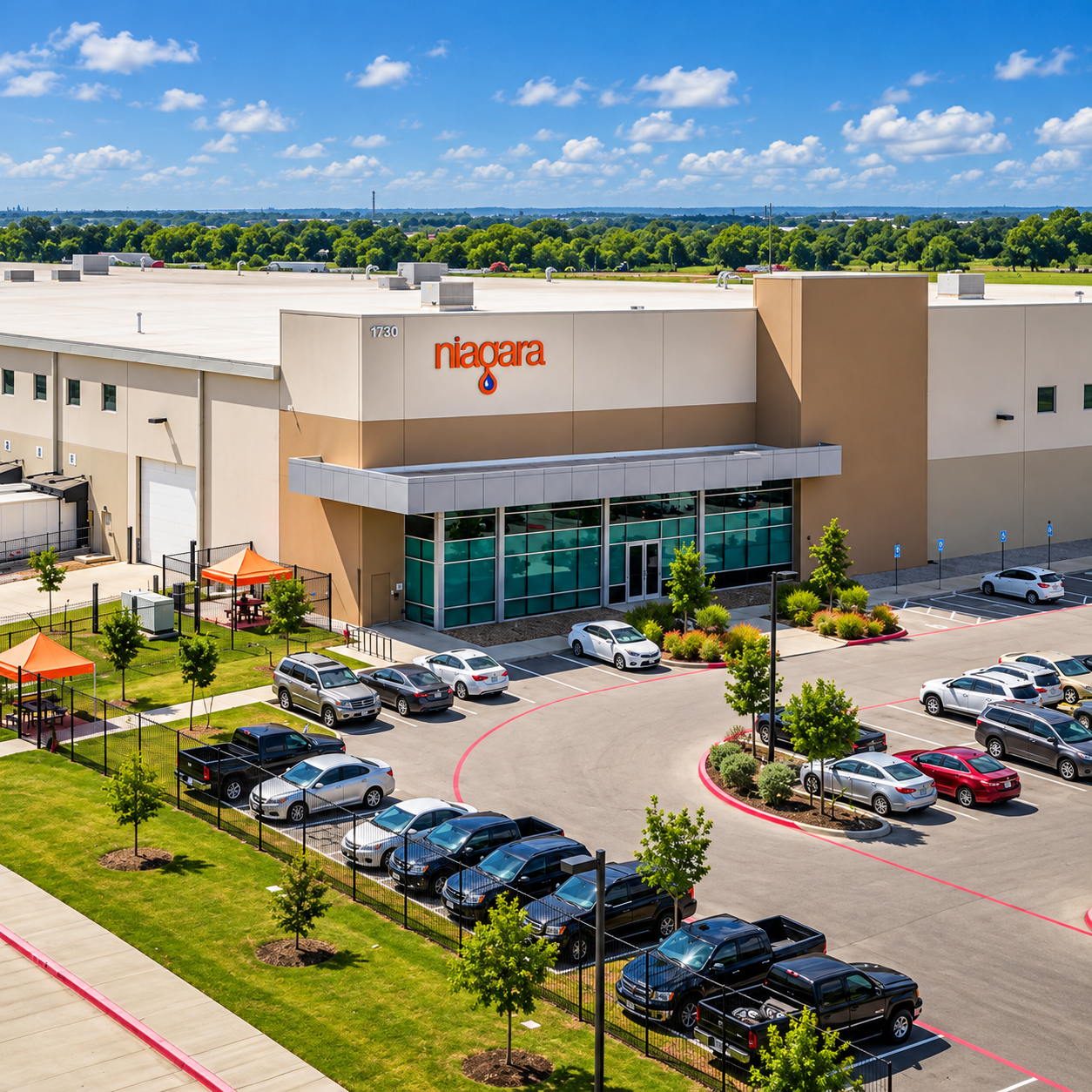
Niagara Bottling, LLC, founded in 1963 by Andrew Peykoff Sr., is a family-owned, leading private-label beverage manufacturer headquartered in Diamond Bar, California. Its network includes more than 50 bottling plants in the United States, with additional operations in Mexico, and is built around automation, production quality, and responsible resource management.
This Niagara Water Company project brief identifies Antz Energy Systems Inc. as the associated firm and California, United States, as the project location. A specific building address, project completion date, and final plumbing fixture schedule have not been supplied.
For Niagara-related corporate offices, workforce washrooms, and industrial support spaces, the restroom fixture brief prioritizes four requirements: severe water stewardship and conservation, hygienic no-touch operation, high-cycle reliability, and maintainable systems that can be standardized across facilities.
Project Name
Niagara Water Company
Architect / Firm
Antz Energy Systems Inc.
Location
California, United States
Project Overview
Founded in 1963, Niagara Bottling, LLC grew from a Southern California water-delivery business into a large, vertically integrated beverage manufacturer. Today its nationwide facilities rely on automated production, material handling, packaging, and distribution systems. Its Diamond Bar headquarters provides the California context for this project brief; the precise project building has not been identified.
Niagara describes water stewardship as a core operational objective. The company reports that efficient plumbing at its new corporate office and plants saves more than one million gallons per year, an enterprise-wide figure that should not be attributed to any individual faucet model or the proposed restroom specification.
The industrial support-space strategy is distinct from product-contact or process-water engineering. Employee restrooms, administrative washrooms, visitor areas, and maintenance-support spaces need dependable handwashing facilities. AEC teams should review sensor response, aerator flow, mixing arrangements, cleanable surfaces, shutoff behavior, service access, and actual product submittals before finalizing fixtures.
• California headquarters and facility context
• Antz Energy Systems project brief
• Employee and corporate support washrooms
• Water-efficient sensor fixture evaluation
• Reliable handwashing across shift changes
• Preventive maintenance and parts planning
Restroom Planning for High-Throughput Beverage Facilities
Beverage manufacturing buildings combine different occupancy profiles within a single property. Production teams, warehouse personnel, delivery drivers, visitors, maintenance technicians, and office staff may use separate wash areas, each with different peak-demand patterns and cleaning schedules.
In Niagara-associated facilities, the primary point is not to equate a restroom faucet with an industrial processing system. Rather, support-space plumbing should complement the larger efficiency program through controlled water use, straightforward activation, appropriate material selection, and reliable performance during shift transitions.
Key specification checks include documented flow at stated pressure, infrared detection zone, anti-run-on settings, pressure compatibility, mixing and scald protection, power supply, solenoid accessibility, filter cleaning, lavatory geometry, and local accessibility requirements.
Fontana Faucet Models for Niagara Facility Evaluation
The following four Fontana models are illustrative product options, not confirmed Niagara installations. Their finishes and operating formats show how a project team could compare workplace washrooms and visitor-facing areas. Final selection should follow a documented fixture schedule, flow targets, cleaning protocol, and site-specific power and mounting review.
Fontana Chatillon Gold Brass Touchless Basin Faucet
FS7582GL illustrates a gold-finish option for low-volume visitor or executive wash areas. For a Niagara facility, engineers would still need to confirm actual flow, power requirements, cleaning compatibility, and whether the finish is appropriate for the scheduled space.
- Model: FS7582GL
- Gold finish with brass construction
- Touchless sensor activation
- Single-hole deck-mounted configuration
- Ceramic valve core
- Hot-and-cold water capability
View selected model
Fontana Corte Antique Brass Touchless Faucet
FS7586ATB offers an antique-brass design alternative for office or reception restrooms, rather than a default factory-floor selection. Assessment should include surface durability, washdown exposure, service access, and consistency with other specified fixtures.
- Model: FS7586ATB
- Solid brass construction
- Antique brass finish
- Ceramic disc cartridge
- Single-hole deck-mounted installation
- Hot-and-cold water capability
View selected model
Fontana Nardov White Touchless Basin Faucet
FS7674WH represents a white, single-hole touchless option incorporating a digital display and LED feature. Before specifying it, the team should verify whether those user-interface features are beneficial in administrative zones and appropriate to facility cleaning procedures.
- Model: FS7674WH
- Contemporary white finish
- Touchless bathroom faucet configuration
- Single-hole deck-mounted installation
- Hot-and-cold water capability
- Ceramic valve with digital display and LED feature
View selected model
Fontana Carlo Matte White Automatic Sensor Faucet
FS7959MW provides a matte-white, deck-mounted sensor option with a published 1.5 GPM flow rating. For a water-conservation program, that figure should be compared against lower-flow alternatives and local fixture requirements, not treated as proof of savings on its own.
- Model: FS7959MW
- Matte white finish
- Solid brass construction
- Deck-mounted single-hole installation
- Touchless sensor operation
- Rated water flow: 1.5 GPM
View selected model
Four Industrial Requirements
1. Severe Water Stewardship & Conservation
Niagara publicly emphasizes conservation throughout its operations, including efficient plumbing in offices and plants. Restroom submittals should compare certified or documented flow, automatic shutoff, leak detection practices, and predicted usage under realistic occupancy—not assume a fixed percentage reduction.
2. Hygiene & Contact Reduction
Hands-free activation reduces the need to touch faucet handles in shared staff and visitor washrooms. Restroom hygiene should also address sink splash behavior, accessible reach, hand-drying layout, dispenser placement, and cleaning protocols; faucets alone do not establish food-production sanitation compliance.
3. High-Cycle Operational Reliability
Manufacturing properties may see concentrated sink usage around breaks and shift changeovers. Specify verified sensor response, solenoid duty-cycle expectations, power continuity, filtration, and stable operation over the facility’s actual pressure and temperature range.
4. Maintainability & Standardization
Facilities teams need access to strainers, solenoids, controllers, power units, and replacement parts without unnecessary downtime. A consistent family of parts and clear maintenance instructions can simplify training, stockholding, and service across multiple wash stations.
.jpg)
Specification Logic for Niagara Support Spaces
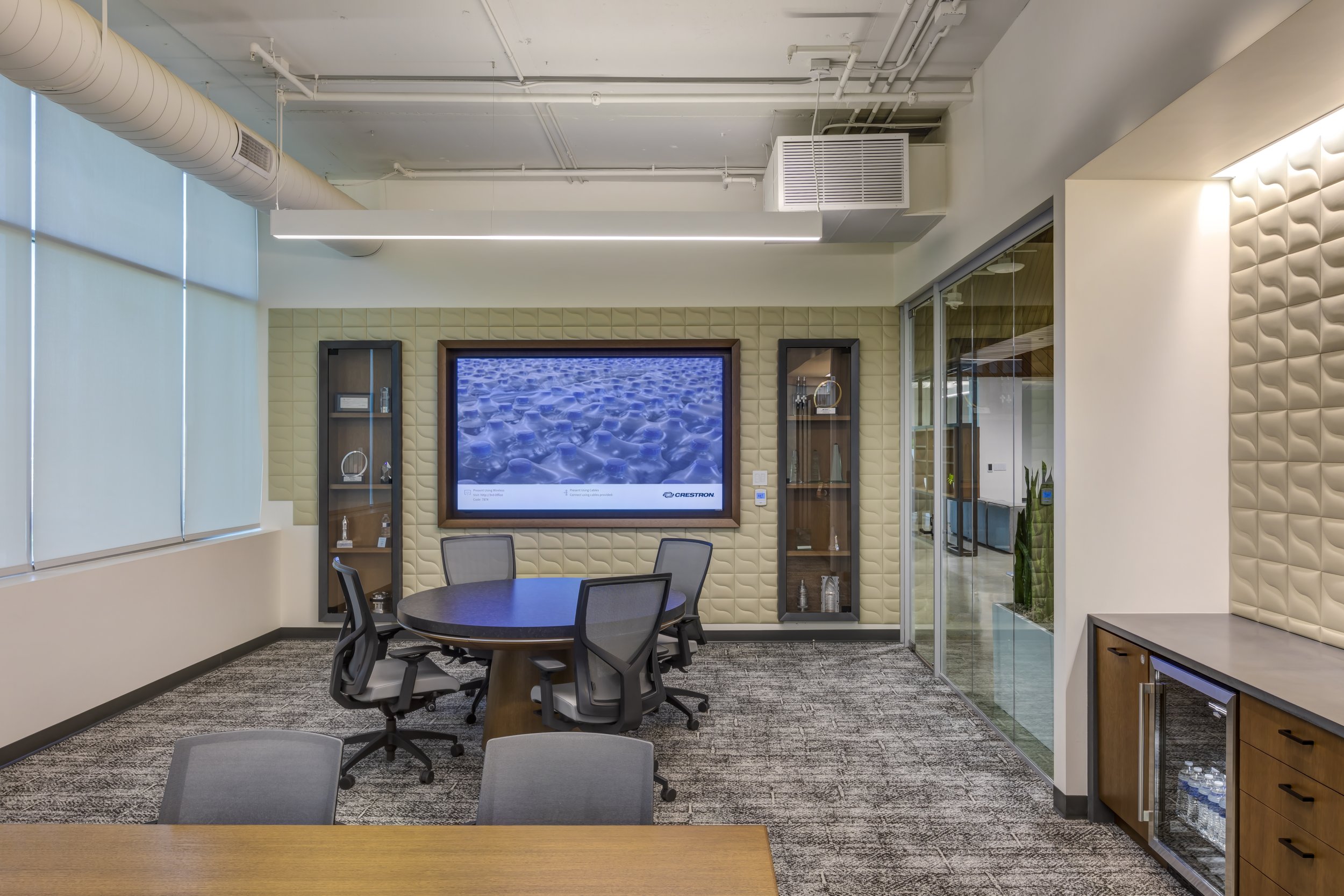
Niagara operates advanced beverage manufacturing and packaging systems, but support-area restrooms have a different engineering mission from treatment, filling, and process piping. Their fixtures should be coordinated with staff circulation, janitorial practices, occupancy periods, and the domestic-water plumbing design.
Antz Energy Systems Inc. is identified in the supplied project information as the associated firm. Its public website describes commercial mechanical contracting and plumbing services, but the specific contract scope for this Niagara facility was not independently confirmed. A final construction record should establish designer, installer, and commissioning responsibilities.
In a California facility, the reviewing team should document the applicable plumbing and accessibility code editions, local flow limits, hot-water mixing and temperature control, any backflow provisions, and electrical installation conditions. California compliance must be checked model by model, not inferred from a generic commercial product description.
The most defensible selection process compares approved cut sheets and field mockups: verify sensing distance with the actual basin, observe shutoff and splash control, confirm power routing and undercounter clearances, then assign cleaning and preventive-maintenance procedures before turnover.
AEC Priorities for Niagara Water Company
|
Specification Priority
|
Why It Matters at Niagara
|
Fixture Response to Verify
|
|
Water conservation
|
Niagara has an established enterprise water-stewardship program; lavatories are a separately measurable end use.
|
Compare documented GPM at the required pressure and verify automatic shutoff settings.
|
|
Shift-change demand
|
Employees may arrive at restroom stations in short, concentrated waves around production breaks.
|
Test activation, recovery and delivery across repeated uses with the scheduled basin.
|
|
Handwashing hygiene
|
Shared staff, office and visitor facilities benefit from reduced handling of faucet controls.
|
Use hands-free activation alongside adequate soap, drying and cleaning provisions.
|
|
Code coordination
|
California projects require review against applicable local plumbing, water-efficiency and accessibility rules.
|
Check model-specific listings, reach dimensions, flow and temperature control.
|
|
Power and controls
|
Sensor plumbing depends on reliable electrical or battery support and accessible control components.
|
Confirm AC/DC options, outlet routing, power-failure behavior and controller access.
|
|
Maintenance access
|
Industrial facilities benefit from predictable service intervals and common spare parts.
|
Provide accessible filters, shutoffs, solenoids, manuals and replacement-part records.
|

Lifecycle Planning for Niagara Facilities
A corporate campus or manufacturing support building succeeds when lavatories continue to operate predictably after occupancy. That outcome depends on correct fixture selection, commissioning, maintenance access, spare parts, and clear ownership of the restroom asset inventory—not appearance alone.
A preventive-maintenance plan should distinguish touch-free convenience from measurable performance. Log flow checks, clogged-aerator incidents, sensor false triggers, battery replacement, solenoid service, leaks, and user complaints by fixture location so facility managers can spot recurring problems.
Niagara reports company-wide savings from efficient plumbing at headquarters and plants; those published savings are not assigned to the four models shown here. If the project intends to quantify a new restroom retrofit, record baseline usage and occupancy, establish a comparable post-installation period, and disclose operating assumptions.
For the project team, the recommended closeout record includes approved fixture schedules, exact model numbers, manufacturer data sheets, installation and wiring drawings, cleaning instructions, warranty terms, spare-component lists, and a commissioning log. This supports accountable long-term water stewardship.
Industrial Restroom Specification
Niagara Bottling’s operating model emphasizes automation, efficient resource use, and repeatable manufacturing quality. Restroom fixtures are not part of the beverage product process, but they can reinforce the same disciplines in corporate offices, employee washrooms, and visitor facilities.
For the Niagara Water Company project brief, FontanaShowers commercial touchless faucets can be evaluated against four priorities: water conservation, hands-free hygiene, high-cycle operation, and easy maintenance. The product examples on this page are conceptual reference options; a final Niagara-approved fixture schedule has not been provided.
A reliable AEC decision should be grounded in submittals rather than generic product claims. Confirm the actual flow rating, power supply, sensor range, mixing and temperature safeguards, accessibility geometry, sink compatibility, cleanability, and undercounter access for each specific model and location.
California is the stated project region and Antz Energy Systems Inc. is the firm named in the supplied brief. The exact facility address, Antz scope, installation status, and Fontana procurement records remain unverified. Those records should be confirmed before publishing this page as a completed installation case study.
|
|