Automatic Soap Dispenser Not Working
Automatic Soap Dispenser On Sale
Troubleshoot a soap dispenser that won’t dispense:
quick checks for batteries, clogs, sensor dirt, soap viscosity,
reset steps, and what problems to avoid—plus links to replacement
automatic soap dispenser options.
60-Second Quick Fix Checklist
- Replace batteries (or confirm the power adapter is seated firmly).
- Confirm polarity and that contacts aren’t corroded.
- Check soap level and ensure the reservoir is seated correctly.
- Clear nozzle clogs (rinse and wipe; remove dried soap buildup).
- Clean the sensor window with a soft damp cloth.
- Reset if available (per manufacturer instructions).
If you need a replacement unit browse our
automatic soap dispenser collection.
If your
automatic soap dispenser
does not work, there are many factors to consider in troubleshooting. First, check the batteries. Low or dead batteries are a common cause
for the dispenser to malfunction and stop working. Check that they are inserted correctly and replace them with fresh ones if necessary.
Next, check the soap reservoir and dispensing nozzle. Soap or debris clogging the nozzle can prevent the soap from flowing and hence not
dispensing properly. Clean the nozzle and make sure that the soap is not too thick for the dispenser to handle.
The sensor is an active participant in the activation process for the dispenser. Make sure to clean the sensor because dirt or residue
accumulation could prevent it from sensing properly. Fingerprints or soap buildup can interfere with sensor functionality. Use a soft,
moistened cloth to gently rub any obstructions off of the sensor.
If the dispenser does not start working after these tests, follow the manufacturer's guide for how to troubleshoot. A few models have a
reset functionality that can recover normal functioning of the device. If the issue persists, you may need to contact customer support or
take it to a professional repair service. Follow these instructions and you might be able to solve common issues and get your
automatic soap dispenser
working again.
What to Avoid (Troubleshooting Mistakes)
- Avoid harsh cleaners (bleach, ammonia, abrasive pads) on the sensor window—this can cloud or damage it.
- Avoid overfilling the reservoir—spills can seep into internal components and cause inconsistent dispensing.
- Avoid very thick soap if the unit is designed for thinner liquid—thick formulas increase clog risk.
- Avoid ignoring nozzle buildup—dried soap is a top cause of “not dispensing” complaints.
- Avoid mixing incompatible soaps—some formulas can gel or separate and block the pump/nozzle.
- Avoid placing dispensers in direct glare where reflective surfaces can confuse sensors and cause false triggers.
Preventive Maintenance Tips
- Weekly wipe-down: clean the sensor and nozzle to prevent buildup and false activation.
- Standardize soap type: use one compatible soap formula across facilities to reduce clogging variables.
- Battery schedule: replace batteries on a routine interval in high-traffic restrooms.
- Check mounting stability: a loose dispenser can misalign sensing and reduce dispensing reliability.
Frequently Asked Questions
Why is my automatic soap dispenser not dispensing?
The most common causes are dead batteries, clogged nozzles, soap that is too thick,
or a dirty sensor window. Start with power, then clear the nozzle, then clean the sensor and try a reset if available.
Can thick soap stop an automatic dispenser from working?
Yes. Thick soap can increase pump resistance and clog the nozzle, causing partial dispensing or complete failure. If possible, use a soap
type recommended for the dispenser.
Why does the dispenser keep triggering randomly?
Random triggers are often caused by reflections, direct glare, or a dirty sensor.
Clean the sensor window and check the placement near mirrors or glossy surfaces.
When should I replace the unit instead of repairing it?
If you’ve replaced batteries, cleared clogs, cleaned the sensor, and tried a reset but the dispenser still fails consistently, replacing it
is often the most cost-effective option for high-traffic restrooms.
You can compare models here: automatic soap dispenser.
Explore Soap Dispensers Series
|
|
Automatic Soap Dispenser Troubleshooting & Replacement Guidance
When an automatic soap dispenser stops working, common causes may include battery failure, clogged soap lines, sensor obstruction, low soap viscosity compatibility, pump issues, or improper maintenance. For commercial restrooms, healthcare facilities, offices, airports, and hospitality environments, dependable touchless soap dispensing supports hygiene, uptime, and easier facility management.
Soap Dispenser TroubleshootingTouchless HygieneCommercial Restroom MaintenanceSensor Dispenser IssuesReplacement Options
Our team of specialists is ready and available to assist you with all your needs.
Connect with a Specialist
Troubleshooting Guide
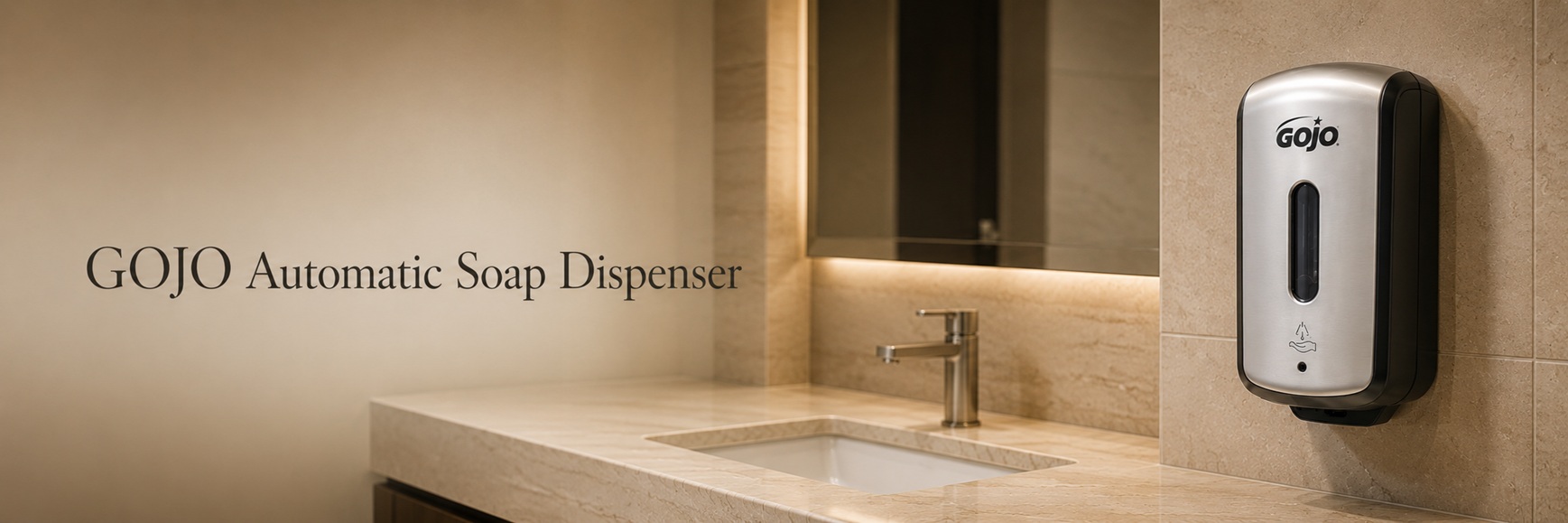
GOJO Automatic Soap Dispenser Not Working?
Learn why your automatic soap dispenser is not dispensing, how to troubleshoot the most common causes,
and when replacing the unit may be more cost-effective than repairing it in high-traffic commercial restrooms.
When an automatic soap dispenser stops dispensing, the issue is usually related to power, sensor visibility,
soap flow, nozzle blockage, pump operation, or reservoir placement.
Troubleshooting
Soap Dispenser
Low, dead, reversed, or corroded batteries are among the fastest issues to check. Replace batteries,
confirm polarity, and make sure the battery contacts are clean and dry.
Battery
Power
Soap film, fingerprints, water spots, or dust can block the sensor from detecting hands properly.
Wipe the sensor gently with a soft damp cloth and avoid abrasive cleaners.
Sensor
Quick Fix
Dried soap around the outlet can prevent soap from dispensing. Clean the nozzle area, remove buildup,
and confirm that the outlet is not blocked.
Clog
Nozzle
Confirm that the reservoir has enough soap and is seated correctly. A loose bottle, disconnected tube,
or low soap level can interrupt dispensing.
Reservoir
Soap Level
Very thick soap can increase pump resistance and clog the nozzle. Use compatible liquid soap or a
formula recommended for automatic soap dispensers.
Soap Viscosity
Pump Flow
Random activation can happen when mirrors, glossy surfaces, direct sunlight, or sensor dirt interfere
with the detection field.
False Trigger
Reflection
If the dispenser has power but produces weak output or no output, the pump, tubing, or internal
dispensing mechanism may need servicing or replacement.
Pump
Weak Output
Clean the sensor and nozzle weekly in commercial restrooms to reduce false activation, dispensing
failure, and dried soap accumulation.
Weekly
Maintenance
In high-traffic restrooms, scheduled battery replacement helps prevent sudden downtime and reduces
emergency maintenance calls.
Battery Schedule
High Traffic
Do not use bleach, ammonia, abrasive pads, or strong solvents on the sensor window. These can cloud
or damage the sensor surface.
Avoid
Sensor Care
If batteries, soap level, nozzle cleaning, sensor cleaning, and reset steps do not restore operation,
replacement may be more practical for busy commercial facilities.
Replacement
Commercial
Browse replacement automatic soap dispensers designed for public restrooms, hotels, hospitals,
schools, restaurants, airports, offices, and commercial facilities.
Replacement Models
Public Restrooms
Matte black soap dispensers offer a modern finish for contemporary commercial restrooms, hotels,
restaurants, and design-focused public washrooms.
Matte Black
Modern Finish
Brushed nickel soap dispensers provide a low-maintenance finish that helps hide fingerprints and
water spots in high-use facilities.
Brushed Nickel
Low Maintenance
Gold automatic soap dispensers support premium restroom designs for luxury hotels, fine dining spaces,
corporate offices, and upscale commercial environments.
Gold Finish
Luxury
Common causes include dead batteries, a clogged nozzle, thick soap, a dirty sensor window, low soap level,
or a loose reservoir connection.
FAQ
Not Dispensing
Yes. Soap that is too thick can increase pump resistance and cause partial dispensing, delayed dispensing,
or complete blockage.
FAQ
Soap Type
Random triggering is often caused by reflections, direct glare, sensor dirt, glossy surfaces, or incorrect
placement near mirrors.
FAQ
Sensor Issue
Commercial Solutions
Ready to Upgrade Your Soap Dispenser?
Browse our complete collection of commercial automatic soap dispensers, compare sensor models,
download catalogs, and contact our experts for personalized recommendations.
80%
Less Touch Contact
30%
Water Savings
5+
Years Battery Life
ADA
Certified Compliant
#SoapDispenser
#CommercialRestrooms
#TouchlessHygiene
#AutomaticSoap
#ADACompliant
|
|
|