Fontana Taps in a National Research Study: Touchless Restroom Specs for High-Traffic Projects
Research-Informed Spec Notes • Touchless Faucets • Auto Flush • Soap Systems • BIM / CAD / Cut Sheets
FontanaShowers® | Contractor + Engineer Spec Hub
Research-Informed Touchless Restroom Systems for Elite Project Teams
This page converts national guidance and field research themes into practical specification moves you can use on real jobs.
The focus is simple: reduce touchpoints, control water use, harden components against abuse, and keep service access straightforward.
This approach supports predictable performance across airports, hospitals, universities, stadiums, and large commercial buildings.
Study-Informed Design Moves
High-Traffic Rated Hardware
Water-Efficient Strategies
BIM / Spec / Install Docs Available
Use this spec hub to shortlist touchless faucets, flush valves, and soap dispensers with the documentation contractors and engineers need:
rough-in expectations, power strategy, service access, and submittal-ready files.
National Research + Standards Context (Why These Specs Work)
When teams say “national research,” what usually matters in practice is this:
consistent guidance and repeatable findings across public facilities, combined with widely adopted plumbing code requirements and water-efficiency benchmarks.
This is why modern touchless restroom packages tend to converge on the same core decisions: controlled flow, predictable sensor behavior, service access, and standardization.
-
Water efficiency baselines:
U.S. guidance for commercial buildings references maximum flow limits and water-efficient purchasing practices, commonly targeting
public lavatory faucet performance around 0.5 gpm and related metering constraints in many applications.
Federal water-efficient purchasing guidance
-
Performance standards and planning references:
WaterSense at Work summarizes faucet performance standards, flow history, and practical retrofit guidance used by facilities and design teams.
EPA WaterSense at Work (Faucets)
-
Code structure:
Model codes typically set maximum consumption values and require compliance with fixture tables and fittings requirements.
International Plumbing Code reference
-
Supporting case research:
Fontana also publishes a restroom efficiency research summary for touchless faucets and soap dispensing in public settings.
Fontana research overview
Use the product picks below as “spec modules” that align with these national guidance themes: fewer touchpoints, controlled water use, and easier maintenance.
Spec-Ready Product Picks (Images + Live PDP Links)
Spec Quick Table + Commissioning Checklist
Use this as a fast alignment tool during design coordination, bid leveling, and field commissioning.
It is written to reduce RFIs and call-backs by making the “service reality” explicit.
| System |
Mount / Use |
Power Strategy |
Service Access Note |
Best Fit |
Touchless Faucet
Vandal-resistant series
|
Lavatory, public restrooms |
Battery or hardwired (confirm per model) |
Define access to controls and shutoff. Confirm sensor window is protected and cleanable. |
Airports, schools, stadiums, healthcare public zones |
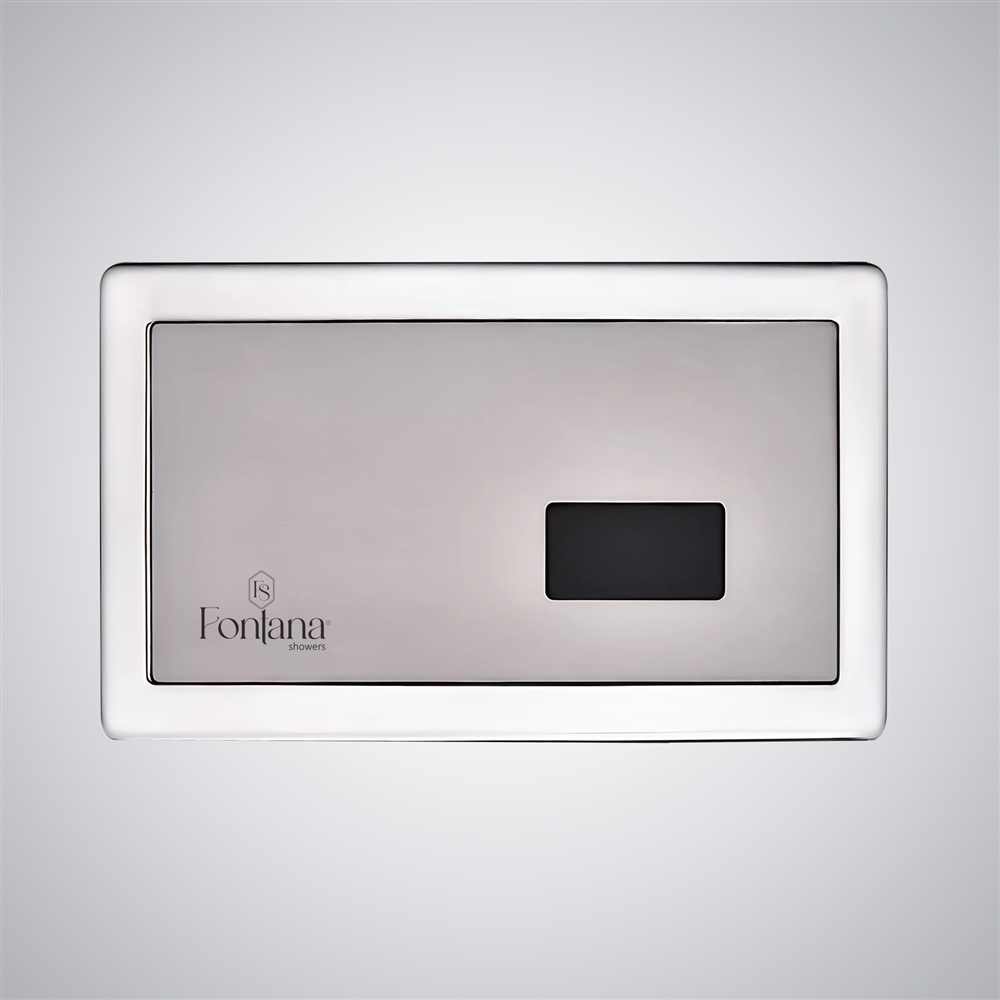
Sensor Toilet Flush
FS8098SLG
|
Toilet valve, high traffic |
Battery or hardwired (confirm per model) |
Require service clearance and access plan. Prevent “sealed-in” valves behind finished walls. |
Transit, arenas, education, corporate cores |
Automatic Soap
FS9818
|
Wall mount, wash zones |
Battery (typical), confirm per model |
Specify refill method and cleaning access. Keep units reachable without ladders where possible. |
Healthcare, education, airports, high-use public |
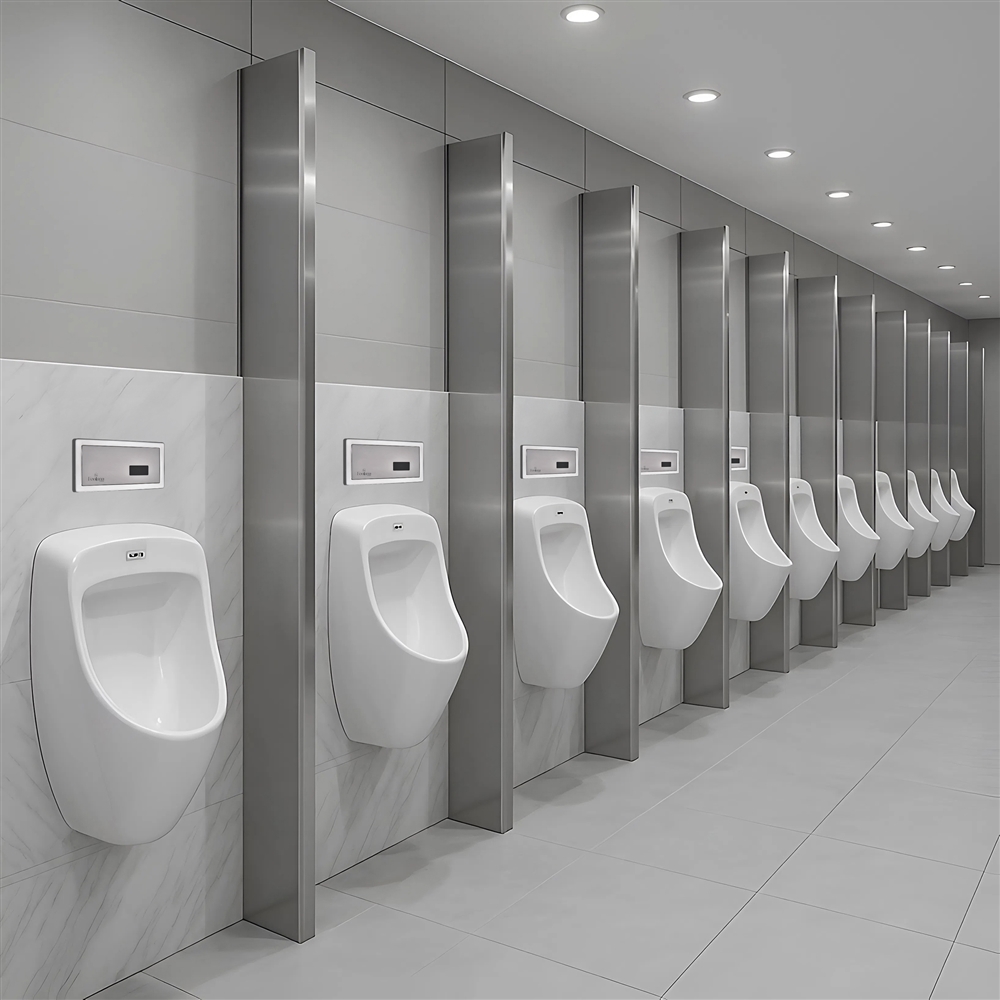
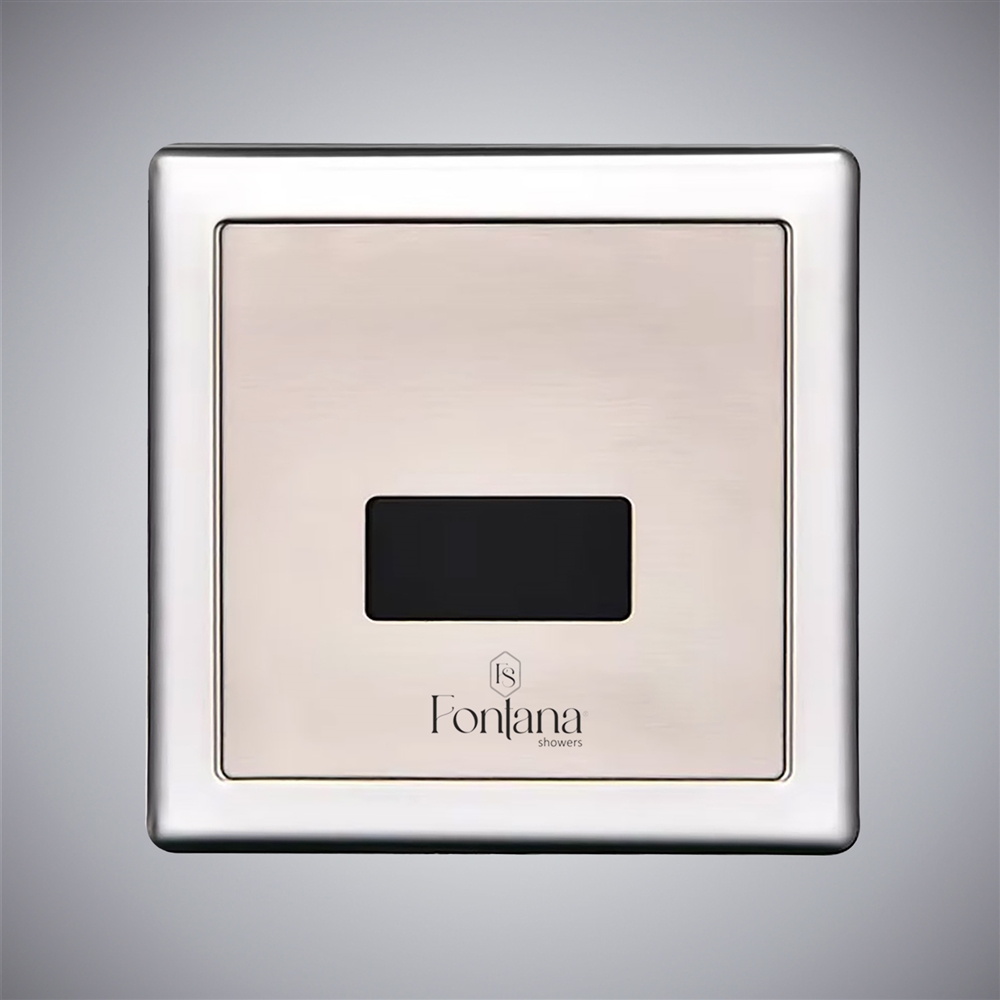
Concealed Urinal Flush
FS8977SN
|
Urinal banks, clean wall lines |
Battery or hardwired (confirm per model) |
Call out access panels and wall backing early. Confirm sensor line-of-sight and mounting height. |
Stadiums, transit, campuses, convention centers |
Commissioning Checklist (Field Use)
- Confirm power choice: battery vs hardwired is coordinated in plans, submittals, and the field.
- Verify shutoffs: stop valves and isolation points are reachable without removing finished surfaces.
- Sensor behavior check: confirm activation range, false-trigger risk, and line-of-sight in the installed location.
- Flow intent: confirm aerator/laminar device and target flow for the project requirement.
- Water pressure reality: verify acceptable operation at site pressure and during peak use.
- Access panels: confirm panels exist where concealed equipment needs routine service.
- Finish protection: confirm cleaning agents and care notes are provided to facility staff.
- Spare parts plan: standardize a small set of parts across the facility to reduce downtime.
- Soap refill method: confirm refill workflow, capacity, and cleaning access at each dispenser.
- Owner handoff: include install docs, maintenance notes, and warranty references in the closeout package.
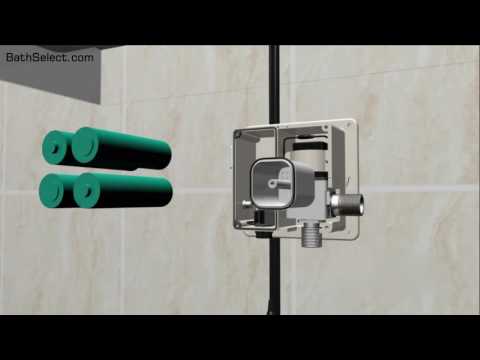
Product Videos (Install + In-Use)
Two quick videos to help project teams align expectations on installation workflow and real-world operation.
If your platform blocks embedded iframes, these thumbnail cards still render reliably and open the videos in a new tab.
Prefer embedded players? Use the approved CMS video embed method if your platform supports it, then swap these thumbnails for embeds.
Engineering Notes: What the Research Themes Mean for Specs
Most restroom failures are coordination failures. Good specs reduce touchpoints, simplify maintenance access, and standardize parts across a building portfolio.
FontanaShowers provides documentation for touchless faucet systems, soap dispensing, and sensor flushing to support that workflow.
Start with a clear “system intent” for each restroom type (public, staff, patient, back-of-house).
Then select components that match the service model: battery vs hardwired, access panels, standardized parts, and finish continuity.
- Power strategy: decide early (battery vs hardwired) based on access, ceiling plenums, and maintenance staffing.
- Service access: specify access panels and clearance zones so sensors, valves, and solenoids can be reached without tile removal.
- Fixture standardization: reduce SKUs across a campus so spare parts and training stay simple.
- Finish continuity: coordinate finish codes across faucets, flush systems, dispensers, and plates for a coherent restroom package.
- Documentation: pull BIM/CAD, spec sheets, and install guides directly into the submittal package to reduce RFIs.
Download BIM/spec resources or request a combined spec kit for the full touchless restroom package:
faucets, soap dispensers, and sensor flush systems.
BIM files hub
|
Installation instructions library
|
3D product rendering hub
Where This Spec Strategy Fits Best
Airports, Transit, and Stadiums
High-volume restrooms need dependable sensors, fast service access, and standardized parts.
Concealed flush plates and wall-mount dispensers help reduce cleaning friction and limit tampering points.
Hospitals, Clinics, and Labs
Infection-control priorities often demand touchless operation and cleanable surfaces.
Specs should define sensor behavior, water efficiency intent, and maintenance responsibilities.
Universities and Institutional Campuses
Campuses win when fixture families are standardized by building type.
This reduces training time, spare-part variation, and long-term service costs.
Commercial Towers and Mixed-Use
For premium common areas, finish continuity and visual discipline matter.
A consistent touchless package keeps the design clean while protecting day-to-day performance.
Resource Library for Contractors, Engineers, and Spec Writers
What to Include in a “Research-Informed” Restroom Submittal
- Fixture schedule: touchless faucets, soap dispensers, toilet/urinal flush systems, finish codes.
- Power notes: battery vs AC options, access requirements, commissioning checklist.
- Rough-in guidance: valve locations, access panel clearances, recommended service space.
- BIM/CAD families: coordinated families for faster clash detection and layout review.
- Warranty + maintenance: service intervals, common parts, and care guidance for finishes and sensors.
Helpful hubs:
Automatic soap dispensers
|
Flush valve series
|
Warranty overview
Short “Spec Notes” You Can Paste into Plans
- Provide access panel locations for concealed flush systems and serviceable sensor components.
- Define power source and acceptable substitutes before bid to avoid late changes.
- Standardize finishes across the restroom package to avoid mismatched field swaps.
- Require submittals to include BIM/CAD, spec sheets, and installation guides for each family.
|
|
|
Research-informed, contractor-friendly restroom hardware built for airports, hospitals, universities, and large commercial facilities. Choose coordinated touchless faucets, sensor flush valves, and soap dispensing systems with clear rough-in expectations, service access guidance, and downloadable BIM/CAD and installation documents to simplify submittals and reduce RFIs.
|
|
|