Touchless Solutions from Fontana for Modern Airline Fleets
Designed to offer a superior level of hygiene and convenience
For airline fleets, picking a touchless faucet involves,
far more than just “hands-free” convenience — you must consider aircraft constraints (weight, size, power, vibration, moisture, maintenance) as well as hygiene, efficiency, retrofit-ability, and certification.
Fontana Touchless is delivering a purpose-built solution oriented towards these constraints: aviation-grade materials, sensor architecture (ToF), low-flow hydraulic design, sealed electronics, modular retrofits, and technical documentation for specs and engineering teams.
especially valuable in public restroom settings, FontanaShowers touchless faucets are crafted with modern design principles in mind. Their sleek and minimalist design not only enhances the visual appeal of the space but also contributes to ease of maintenance.
Fontana Touchless is developing aviation-grade touchless faucet systems engineered specifically for airline fleet lavatories, focusing on compact, lightweight construction optimized for tight monument spaces; advanced sensor technologies such as Time-of-Flight (ToF) for stable activation in challenging aircraft environments with vibration, reflective surfaces, and variable lighting; fully sealed IP65–IP67 electronic modules with conformally coated PCBs for protection against moisture, condensation, and aggressive cleaning agents; power architectures designed for 12–28 V DC integration.
less
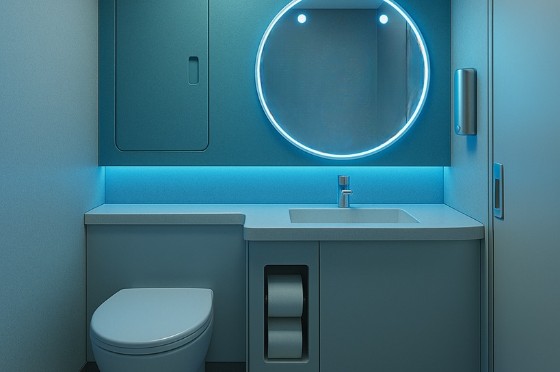
Airline Industry Trends and Future Developments in Touchless Technologies for Lavatories
Increasing Adoption of Touchless Technologies
The aviation industry is witnessing a significant surge in the adoption of touchless technologies, particularly in lavatories. This trend is driven primarily by the heightened focus on hygiene and passenger safety in the wake of the COVID-19 pandemic.
Drivers of Adoption
-
Hygiene and Safety Concerns:
- COVID-19 Pandemic: The global pandemic has fundamentally changed passenger expectations regarding hygiene. Touchless technologies reduce the need for physical contact, thereby minimizing the risk of germ transmission.
- Passenger Feedback: Airlines and manufacturers have responded to passenger concerns about using shared public spaces, such as lavatories, by implementing touchless solutions (Aviation Week) (Aviation Week).
-
Technological Advancements:
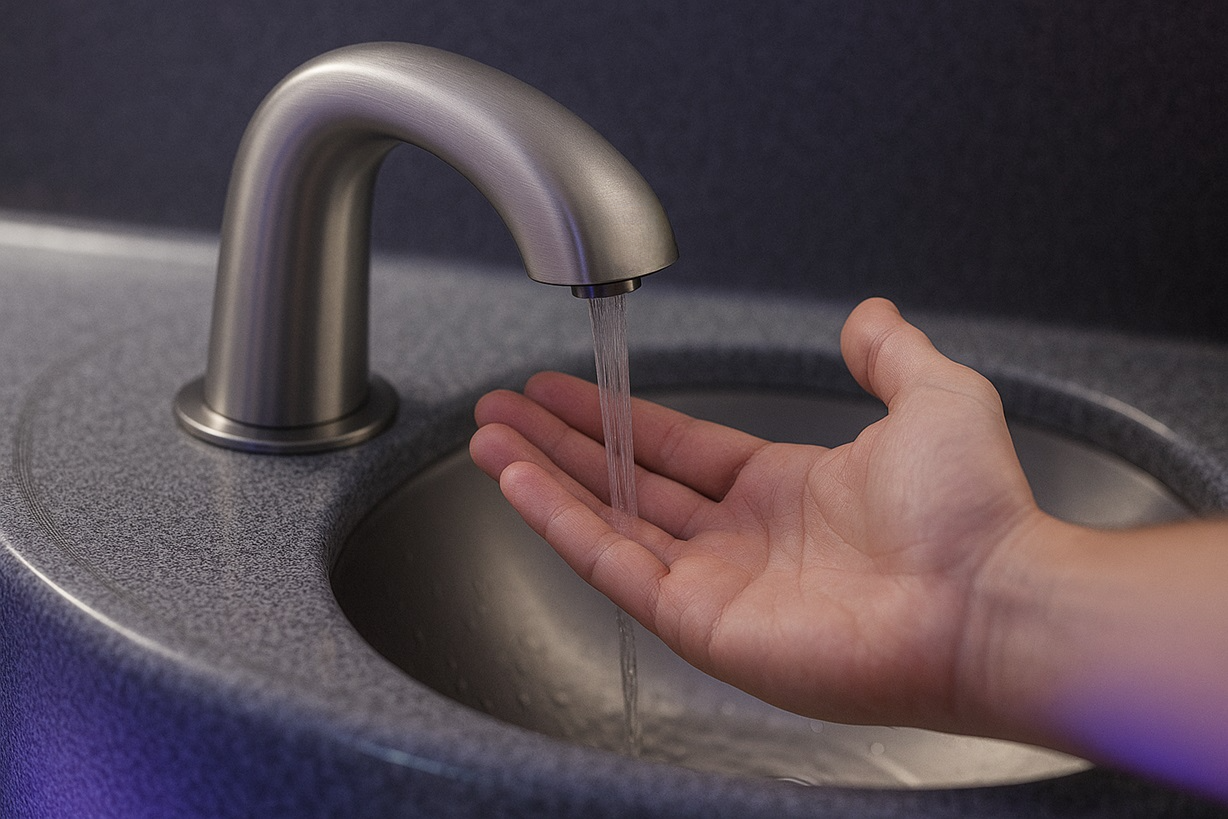
- Infrared and Sensor Technology: Advances in sensor technology have made touchless faucets and other touchless fixtures more reliable and efficient. These technologies detect hand presence to activate water flow, flush toilets, and operate waste flaps without physical contact.
- Antimicrobial Materials: The use of antimicrobial coatings and materials in lavatories helps to reduce the growth of bacteria and viruses on surfaces, complementing touchless technologies in enhancing hygiene (Aviation Week) (Mobility Outlook).
-
Industry Standards and Regulations:
- Regulatory Push: Regulatory bodies are increasingly advocating for improved hygiene standards in public transport, including aviation. This has accelerated the adoption of touchless technologies.
- Industry Initiatives: Programs like Airbus's "Health Onboard" and similar initiatives by other manufacturers and airlines emphasize the integration of touchless technologies to ensure passenger safety and comfort (Airbus Aircraft).
Inside Fontana Touchless Hygiene
Solutions Designed for Aircraft Environments
Time-of-Flight (ToF) for stable activation in challenging aircraft environments with vibration, reflective surfaces, and variable lighting; fully sealed IP65–IP67 electronic modules with conformally coated PCBs for protection against moisture, condensation, and aggressive cleaning agents; power architectures designed for 12–28 V DC integration with low standby current and EMC-compliant behavior suitable for aircraft electrical systems; highly efficient hydraulic designs using precision solenoid valves and micro-orifice aerators to achieve ultra-low flow rates while ensuring anti-drip performance; finishes and materials engineered for corrosion resistance and durability under heavy use; modular, retrofit-friendly configurations to support fast installation and serviceability in fleet programs;
and an overall engineering pathway aligned with aviation standards such as DO-160 environmental testing, along with technical briefs, retrofit kits, and documentation aimed at supporting OEMs, MROs, and airline engineering teams seeking reliable, hygienic, and long-life touchless lavatory solutions..
less
Key Trends and Developments
-
Comprehensive Touchless Solutions:
- Integrated Systems: Companies are developing comprehensive touchless solutions that include faucets, flush buttons, soap dispensers, and waste flaps. For instance, Safran Passenger Solutions offers kits that can be retrofitted onto existing aircraft models like the Airbus A350 and Boeing 787 (Mobility Outlook).
- Hands-Free Doors: Innovations such as the hands-free lavatory door system developed by Jamco Corporation, tested by All Nippon Airways (ANA), allow passengers to open lavatory doors using their forearms or elbows, further reducing contact points (Mobility Outlook).
-
Predictive Health Monitoring:
- Smart Lavatories: Future developments include lavatories equipped with predictive health monitoring systems. These systems use sensors to collect data on usage patterns and maintenance needs, ensuring that lavatories remain clean and operational.
- Real-Time Data: Airlines can leverage real-time data to optimize cleaning schedules and manage consumable supplies like soap and paper towels more effectively (Aviation Week) (Mobility Outlook).
-
Sustainability and Efficiency:
- Water Conservation: Touchless faucets are designed to use water more efficiently, automatically shutting off when not in use. This not only conserves water but also reduces the overall weight of the aircraft, contributing to fuel efficiency.
- Energy Efficiency: Modern touchless technologies incorporate energy-saving features that extend battery life and reduce the need for frequent maintenance (Mobility Outlook).
-
Enhanced Passenger Experience:
- Convenience and Comfort: Touchless technologies provide a more convenient and comfortable experience for passengers, reducing the anxiety associated with using shared spaces. This is particularly important for high-traffic areas like aircraft lavatories (Delta Professional) (Delta Professional).
- Feedback and Adoption: Positive passenger feedback on touchless features encourages airlines to invest in these technologies, further driving their adoption across the industry (Aviation Week).
The growing adoption of touchless technologies in airline lavatories reflects a broader industry shift towards enhancing hygiene and passenger safety. Driven by technological advancements, regulatory pressures, and evolving passenger expectations, airlines are increasingly implementing touchless solutions to meet these demands. As the industry continues to innovate, we can expect to see even more comprehensive and integrated touchless systems, contributing to a safer and more efficient air travel experience.
Supporting Studies and Reports
- Aviation Week Network: Reports on the increasing adoption of touchless technologies and their impact on hygiene and passenger safety (Aviation Week) (Aviation Week).
- Mobility Outlook: Discusses technological advancements and the integration of touchless systems in commercial aircraft (Mobility Outlook).
- Airbus Newsroom: Details on Airbus's retrofit solutions and the broader "Health Onboard" initiative (Airbus Aircraft).
|