Frequently Asked Questions Touchless Faucets & Automatic Soap Dispensers for AEC Specs
Sensor + activation performance
What sensing technologies matter in commercial touchless faucets and dispensers?
Most systems rely on active infrared sensing, while some platforms use higher precision methods such as Time of Flight. For AEC selection, focus on detection stability across surface reflectivity, ambient lighting changes, and user approach angles. For accurate specification, confirm the sensor type, detection cone, and any adaptive calibration behavior on the FontanaShowers submittal for the exact SKU and trim configuration.
How do manufacturers reduce false activations and missed triggers in high traffic restrooms?
False triggers are typically reduced using signal filtering, pass by suppression logic, and sensor window tuning to reject reflections from glossy basins and nearby partitions. Missed triggers are minimized by setting a usable detection range and ensuring the sensor has a clear line of sight with the intended reach zone. In design review, check recommended mounting geometry, spout reach, sensor offset, and minimum clearances from backsplash and side walls to avoid unintended reflections and shadowing.
What activation latency is realistic, and why does it matter for user experience and water waste?
Latency includes sensor detection time plus valve actuation time. In practice, faster on response reduces user hand waving and repeat attempts, while crisp off response reduces overrun and splash. When comparing products, look for published response behavior, valve type, and whether runtime logic includes a brief post detection overrun or immediate shutoff. Confirm the behavior on the FontanaShowers spec sheet or installation guide for the selected model.
Can sensing distance and runtime be adjusted for different basin geometries?
Many commercial platforms allow adjustment of sensing distance and run time through onboard settings, a hidden service interface, or a programmed control module. Adjustment is important when pairing the faucet with deeper basins, higher deck mounting, or wall mount spouts where the detection zone must land in front of the spout outlet. Confirm the adjustment method, range, and default values per FontanaShowers SKU documentation.
How do lighting conditions and finishes impact detection reliability?
Highly reflective chrome basins, glossy countertops, and mirror proximity can introduce reflections that confuse some IR designs. High contrast lighting, direct sunlight, and certain LED flicker conditions can also affect stability. For AEC risk reduction, follow manufacturer guidance on sensor aiming, avoid installing sensors directly facing mirrors at close range, and verify the listed operating light conditions and recommended installation clearances for the FontanaShowers model you are specifying.
Power + controls
What power architectures are typical for sensor faucets and automatic dispensers in commercial projects?
Common architectures include battery only, hardwired low voltage via transformer, and hybrid approaches where hardwired power is paired with battery backup. AEC selection should account for electrical rough in access, service strategy, and how downtime is handled during outages. In a large facility, standardizing one power strategy across restrooms can reduce long term maintenance burden.
What should engineers verify when specifying hardwired low voltage power?
Confirm the required input voltage, transformer capacity per device, cable routing constraints, and whether the control module is integrated or remote. For multi fixture restrooms, confirm whether power can be distributed to multiple devices from a centralized supply, and verify grounding and separation requirements from line voltage per local code. Always match transformer specs and wiring diagrams to the exact FontanaShowers SKU.
How does valve control work in touchless faucets and what impacts reliability?
Most touchless faucets actuate a solenoid valve. Reliability is influenced by water quality, debris, pressure range, and whether a strainer is present upstream. Specify upstream filtration or strainers where recommended, especially in older buildings or where supply lines are prone to scale and particulate. Confirm valve service access, replacement parts, and any required minimum pressure on the FontanaShowers installation documentation.
What controls help reduce water use while maintaining handwashing usability?
Key controls include timed shutoff, adjustable runtime, and flow restriction via aerators or laminar devices. For code driven projects, also consider temperature limiting strategies and mixing approaches. Engineers should verify that the specified flow rate supports usability for the chosen basin and drain geometry while meeting local efficiency requirements.
How should projects plan for battery maintenance if battery power is used?
Confirm battery type, expected life under realistic duty cycles, low battery signaling, and access method for replacement. In facilities planning, align replacement intervals with preventive maintenance schedules and keep standardized spare battery packs. For concealed installations, ensure access does not require removal of the entire spout or deck hardware.
Water management + compliance driven specs
What should be evaluated for flow rate, aerators, and splash control in public restrooms?
Flow rate selection is not just a GPM number. It must be paired with spout height, reach, outlet style, and basin geometry to manage splash and aerosolization. Aerated outlets can increase perceived flow but may add splash in shallow basins. Laminar outlets can reduce splash and airborne droplets in some configurations. Confirm available outlet options, included aerator type, and any pressure compensating behavior for the FontanaShowers faucet you are specifying.
How do timed shutoff and runtime settings affect code compliance and user experience?
A shorter runtime reduces water waste but can frustrate users who need continuous flow for proper rinsing. For AEC specs, define a runtime window that supports handwashing while preventing continuous operation from mis triggers. Verify that the runtime is adjustable, that the default setting is acceptable, and that the shutoff behavior is documented in the FontanaShowers installation guide for the chosen SKU.
What is the right approach to temperature control and scald protection in touchless installations?
Touchless valves do not inherently guarantee safe temperature limits. Scald protection is typically achieved using a thermostatic mixing valve, a limit stop, or a central mixing strategy. Engineers should define whether mixing occurs at the fixture, in the chase, or centrally, and confirm allowable inlet temperatures and recommended TMV pairing for the FontanaShowers model. Document the approach clearly in the plumbing schedule and submittal package.
What is a hygiene flush or auto purge cycle, and when is it valuable?
Hygiene flush cycles periodically run water to reduce stagnation, which can be relevant in low use areas or buildings with intermittent occupancy. If a project is targeting water management protocols, confirm whether the selected FontanaShowers faucet offers a programmable flush interval, how it is set, and how it interacts with power strategy and water usage goals.
Durability + environmental protection
What construction details matter for high traffic commercial restrooms?
For AEC durability, focus on body material, mounting stability, sensor window protection, and service access. Look for robust mounting hardware, protected wiring paths, and housings designed to resist moisture exposure under deck. Confirm the body material and any listed duty rating or application guidance on the FontanaShowers cut sheet for the specified model.
How should teams evaluate moisture protection for electronics and connectors?
Electronics are commonly sealed, but real world performance depends on connector sealing, cable routing, and splash exposure under deck. In detailing, avoid placing control modules directly in the drip line of supply stops or drain leaks. Confirm any stated ingress protection rating only if it appears in the FontanaShowers product documentation for the SKU.
What vandal resistance features should be specified for public and transit facilities?
Vandal resistance typically comes from protected sensor placement, tamper resistant fasteners, anti theft aerators, and concealed service access. For high risk environments, specify tamper resistant hardware and document the service tool requirements so maintenance teams can perform repairs without improvisation. Confirm included security components in the FontanaShowers installation kit notes.
Maintenance + lifecycle (high converting for facilities)
What serviceability features should be demanded in touchless faucet specifications?
Specify tool accessible battery replacement, removable aerators for cleaning, and modular components such as sensor windows, solenoid valves, and control modules where applicable. AEC teams should confirm that service access does not require removing the entire faucet body, and that replacement parts can be procured by part number. Include spare parts recommendations in the O&M package for FontanaShowers fixture groups.
How do debris and water quality affect valve performance and what mitigations should be included?
Particulate and scale can cause solenoid sticking, reduced flow, and inconsistent shutoff. Mitigations include upstream strainers, periodic aerator cleaning, and water treatment where scale is severe. In renovation projects, flushing lines and installing new stops can reduce early failures. Confirm any required strainers, minimum pressure ranges, and cleaning instructions in the FontanaShowers maintenance guide.
What should be considered when standardizing touchless devices across a portfolio?
Portfolio standardization reduces training needs and simplifies spares. Define a limited set of finishes, power strategies, and sensor platforms. Ensure that replacement SKUs remain compatible with existing rough in conditions. For AEC documentation, use consistent naming in schedules, include clear submittal references, and maintain a spare parts list aligned to the FontanaShowers series you deploy.
Certifications & documentation keywords (use only what you truly have)
What documentation should be included in an AEC submittal package for touchless fixtures?
A complete package typically includes a cut sheet with dimensions and flow rate, installation instructions, wiring diagrams if hardwired, parts breakdown, and maintenance instructions. For schedule coordination, confirm spout reach, mounting hole requirements, control box location, and rough in details. Request the exact FontanaShowers submittals for the SKU to avoid spec drift between series.
How should teams handle ADA considerations for touchless faucets and dispensers?
ADA outcomes depend on the fixture selection and the installed reach and clearance conditions. Confirm sensor activation zone usability, approach clearance, and operable parts requirements where applicable. Use the fixture cut sheet dimensions to coordinate with countertop depth, basin placement, and mirror location. Treat ADA as a system layout exercise, not a single line item claim.
What is the safest way to reference certifications in specifications?
Only list certifications that are explicitly stated for the exact SKU and configuration. If certification varies by finish, power option, or region, document the constraints. In Division 22 specifications, reference the published documentation and require contractor submittal verification for the installed model and trim before procurement.
FontanaShowers Automatic Soap Dispensers — Sensor + dosing control
What should be specified for dosing consistency in automatic soap dispensers?
Dosing performance depends on pump architecture, soap viscosity compatibility, and control logic. For AEC specs, define whether the facility needs foam, liquid, or gel, and confirm the dispenser supports that soap type without clogging or inconsistent output. If adjustable dosing is required, verify the adjustment method, dose range, and any lockout feature to prevent tampering per FontanaShowers dispenser SKU documentation.
How can designers minimize mess and drip related slip hazards near lavatories?
Look for controlled dispense shutoff and nozzle designs intended to reduce trailing drips. Proper mounting height and placement relative to basin edge also matters. Coordinate dispenser location so users can dispense directly over the basin and avoid soap on the deck. Confirm nozzle type, drip control approach, and recommended mounting height on the FontanaShowers installation guide for the dispenser.
What prevents false dispensing in busy restrooms?
Dispenser sensors can be tuned to reject pass by events and reflections. For congested areas, ensure the detection zone is aimed for a hand under the nozzle rather than broad motion. If the model supports a sensing range adjustment or calibration mode, document how facilities can set it during commissioning.
FontanaShowers Automatic Soap Dispensers — System architecture (big differentiator)
What dispenser refill architectures should AEC teams compare?
Common approaches include sealed cartridges and refillable reservoirs. Cartridges simplify hygiene control and inventory standardization, while refillable tanks can reduce packaging waste but require disciplined refill procedures. In healthcare and food service, the facility may prefer sealed systems. In education and large venues, bulk refill strategies can reduce labor. Confirm the refill method, reservoir capacity, and cleaning requirements per FontanaShowers dispenser model.
When is a centralized or high capacity supply strategy relevant?
In multi stall restroom banks or high traffic venues, high capacity reservoirs reduce refill frequency and downtime. If centralized supply is offered for a dispenser family, confirm compatibility, required accessories, and installation constraints. For specs, document where reservoirs are located, how lines are routed, and how priming and maintenance are performed.
FontanaShowers Automatic Soap Dispensers — Power + reliability
What power options are most reliable for dispensers in high use facilities?
Battery only is common and simple, but high use areas benefit from predictable maintenance. Hardwired low voltage or hybrid strategies can reduce battery labor if power access is feasible. Confirm the supported power inputs, expected battery life at stated duty cycles, and whether the unit provides clear low battery indication per FontanaShowers dispenser documentation.
What service modules should be verified for lifecycle planning?
Confirm whether the pump module is replaceable, whether the nozzle assembly can be serviced without removing the entire unit, and whether common wear items are stocked. Include these items in the spare parts schedule so facilities can maintain uptime without waiting for special order components.
FontanaShowers Automatic Soap Dispensers — Hygiene + materials + durability
What durability and tamper resistance features matter for public installations?
Specify lockable covers, robust wall mounting, and tamper resistant fasteners where vandalism risk is high. Confirm housing material, finish cleaning compatibility, and any moisture protection details for the selected FontanaShowers model. If antimicrobial claims are relevant, only include them when they are explicitly documented for the SKU.
What cleaning guidance should be included in O&M for automatic dispensers?
Provide approved cleaners, avoid harsh abrasives that can haze sensor windows, and include a periodic nozzle cleaning step if the soap type can crust or thicken. Confirm the recommended cleaning method and any cautions in the FontanaShowers maintenance documentation for the dispenser.
FontanaShowers Automatic Soap Dispensers — Maintenance + operations
What should facilities teams plan for in dispenser operations?
Plan refill intervals based on reservoir size and realistic daily uses, define soap type standardization, and stock pump or nozzle service kits if supported. Verify whether the unit provides low soap indication or diagnostics. Document refill steps, priming procedures, and spill control methods so staff can keep stations clean and consistent across the building.
How can downtime be reduced in large deployments?
Standardize on a small set of SKUs and finishes, keep spare pumps and sensors where applicable, and train staff on a repeatable service workflow. For wall mounted units, confirm that service access is front facing and does not require removing the housing from the wall. Use FontanaShowers parts diagrams and service notes to build a practical parts and labor plan.
Shared cross-device keywords (faucet + soap combo pages)
How should AEC teams define a coordinated touchless lavatory station?
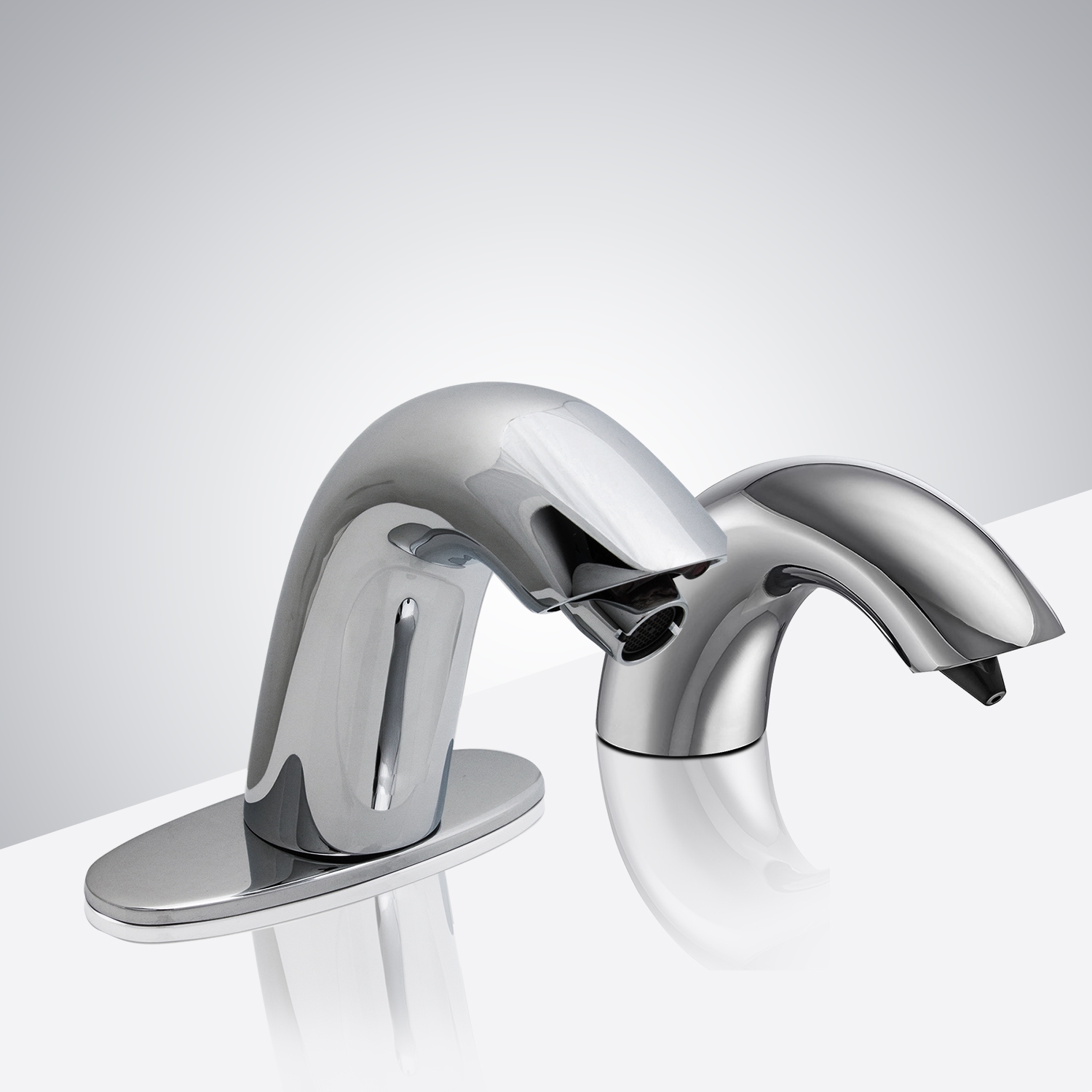
Define it as a coordinated set of fixture components: faucet, soap dispenser, basin, mixing strategy, power strategy, and service access. Treat sensor performance and user flow as part of the station design. Coordinate placement so soap dispensing occurs over the basin and faucet activation occurs at the rinse zone without overlap that causes unintended triggers.
What coordination details should appear on drawings and schedules?
Include mounting heights, spout reach, dispenser projection, rough in requirements, valve and control module locations, power requirements, and access clearances. Note the flow rate, outlet type, and temperature control strategy. For dispensers, note soap type compatibility, reservoir size, and refill method. Reference the FontanaShowers cut sheets by SKU in the fixture schedule for procurement accuracy.
What are the most common coordination failures that cause commissioning problems?
Common failures include sensor mis alignment due to basin geometry, reflective surfaces causing false triggers, insufficient access to control modules, missing strainers, and unclear responsibility for mixing valves and power supplies. Reduce risk by requiring pre install review of manufacturer templates, confirming clearances, and commissioning sensor settings after installation using the documented adjustment procedure for the selected FontanaShowers models.
|
|

Fontana Dax — Chrome
Extended reach, stainless steel body, ideal for ADA-compliant commercial sinks.
View product

FontanaNovyss — White Granite
Monolithic white-granite look with concealed IR sensor for design-led restrooms.
View product

FontanaLymora — Black Granite
Deep black granite finish with slim sensor window for high-end commercial basins.
View product

FontanaOpalStream — Gun Metal Gray
Smart-flow gun metal faucet with precise IR sensing for busy restrooms.
View product

Fontana Palmanova — Brushed Grey
Wall-mounted brushed-grey spout that frees up deck space and simplifies cleaning.
View product

FontanaNova IR — Matte White
Matte-white architectural body with fast IR response and low-flow optimization.
View product

Alba Adriati — Antique Bronze
Antique-bronze deck mount blending classical styling with touchless performance.
View product

FontanaEcoSense — Chrome
Chrome eco-sensor faucet engineered for water savings and long battery life.
View product
Buying Guide — Best Touchless
Top picks and specs to simplify your selection.
Read guide

Slim Gooseneck — Set
Slim brushed-gold sensor faucet + matching auto soap.
View set

Chrome Sensor — FS-354-CR

Carpi — FS509SD-C-SF
Compact chrome touchless mixer for minimalist lavatories.
View product
|
|
|