Making, designing, and putting together all the parts of a soap dispenser
Making, designing, and putting together all the parts of a soap dispenser
In busy places like kitchens and bathrooms, a
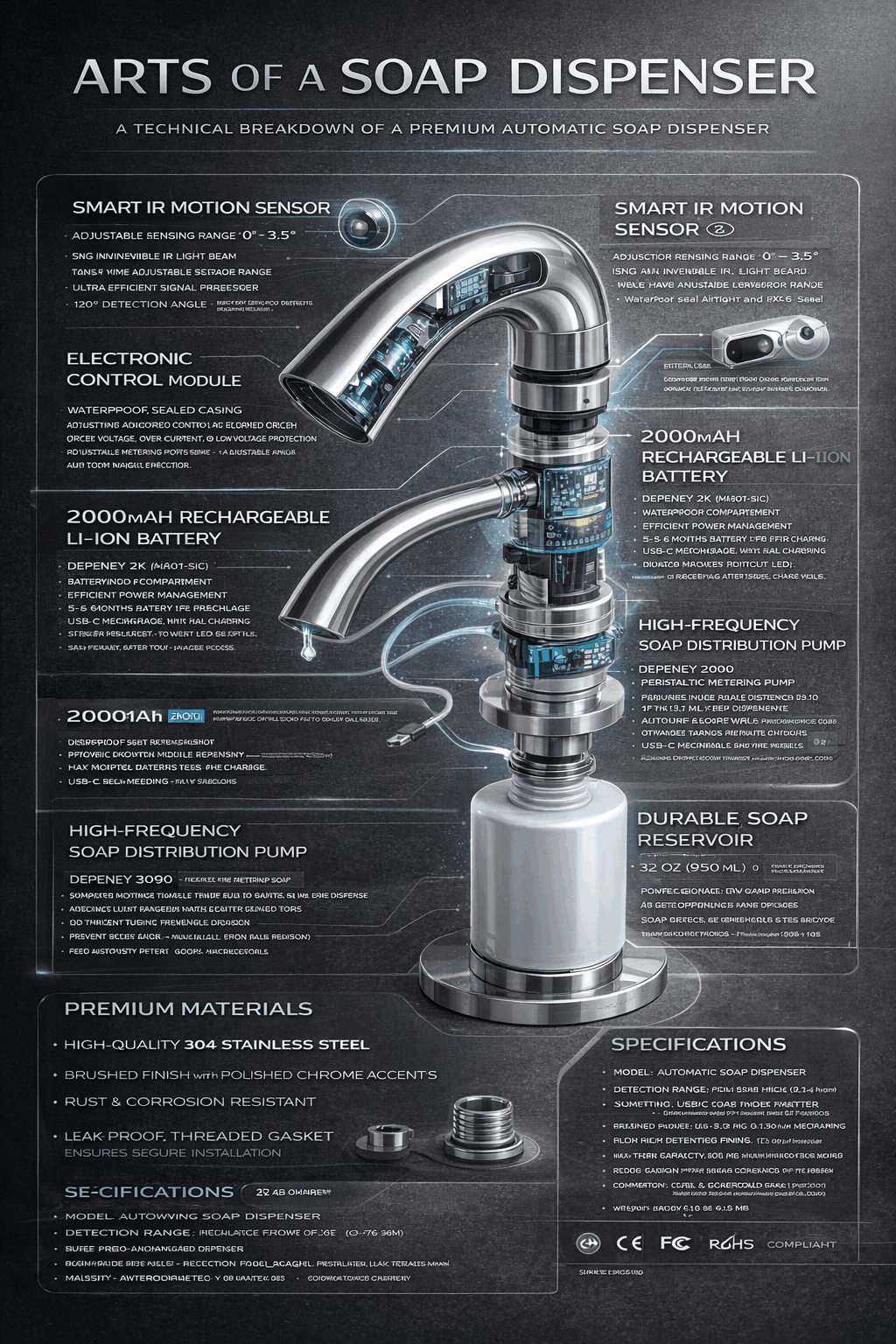
soap dispenser may seem like a simple piece of equipment, but the way it works and the parts that make it up are very well thought out. Engineers, architects, facility managers, and maintenance workers all need to know how a soap dispenser works. This is true whether the dispenser is for commercial plumbing systems, institutional bathrooms that get a lot of use, or as part of an architectural finish.
This article talks about the main parts, what they do, and how they work together to make sure the service life is long and the performance is clean. These are very important parts of the rules for architecture, engineering, and construction (AEC).
How Soap Dispensers WorkSensor ModuleSystem for Providing PowerA motorised pump and electronic controlLast Thoughts
The reservoir and the liquid container are the most important parts of the structure.
The reservoir is the main part that holds the liquid.
It has to be made to:
Keep liquid or foam soap from breaking down in a chemical way
Stand up to being filled up over and over again at work
Works well with installations that are on walls, countertops, or in holes in the wall.
People usually choose ABS plastic, stainless steel, or glass for the materials because they last a long time, look good, and work well with chemicals. AEC rules often say that the size of a reservoir should match the amount of traffic it is expected to get. This makes maintenance less necessary.
Putting the lid and the closure together
The closure keeps the reservoir closed and stops leaks, evaporation, and contamination. Most wall-mounted commercial dispensers have a lid with a keyed lock that keeps people from messing with it or refilling it without permission.
Putting the lid and the closure together
The closure also keeps the pump housing stable and makes sure that the parts inside are in the right place, which is what a normal soap dispenser design says it should do.
Wikipedia: Dispenser of soap
How Soap Dispensers Work
When you turn on a soap dispenser, it releases a certain amount of liquid or foam soap. There are both manual and automatic soap dispensers, and they can hold either foam or liquid soap. These days, a lot of people use them to clean their homes and businesses.
Pump Assembly and Delivery System: The pump and the actuator
Pump Assembly and Delivery System: The pump and the actuator
The pump assembly is the part of the soap dispenser that makes it work. Most of the time, manual dispensers have a piston system that is spring-loaded. The spring inside the actuator gets compressed and moves the piston when you push it. This pushes the soap up through the pump chamber and out the other end.
Pump Assembly and Delivery System: The pump and the actuator
As the actuator moves back to its resting position, negative pressure pulls soap up from the reservoir, getting the system ready for the next cycle. This process needs very precise vacuum dynamics and fluid movement that is under control. What does a soap dispenser do? – A technician will fix it.
The housing for the pump and the dip tube
The dip tube runs from the pump housing to the bottom of the tank.
It is the main way for fluid to get in. It was made with the right length and diameter to keep the flow steady and stop clogs from happening.
The housing for the pump and the dip tube
The pump housing holds the pistons, springs, and valves in place so that they stay aligned and work well over time, even after many uses.
There is a piston, a spring, and a valve system inside the pump.
There are a few important parts inside the pump housing:
Piston: It changes how much soap there is when it is turned on.
Spring: Pushes back after being pushed in
Check valves and ball valves: Make sure that flow only goes in one direction and that it doesn't go back.
Seals and gaskets: Stop leaks and keep the pressure up.
These parts have to be made very carefully so that they always let the right amount of air in and don't leak.
The user sees the nozzle, which sends soap from inside the system to their hand.
Nozzle and interface for dispensing
High-quality dispensers have nozzles that are made to:
Nozzle and interface for dispensing
Stop dripping after you turn it on.
Nozzle and interface for dispensing
You can change the flow's speed and direction.
Nozzle and interface for dispensing
Make it easy to clean and take care of
Nozzle and interface for dispensing
When designing washrooms for buildings, the placement and direction of the nozzles have a big impact on how easy they are to use and how clean they are, especially in places with a lot of foot traffic or healthcare settings.
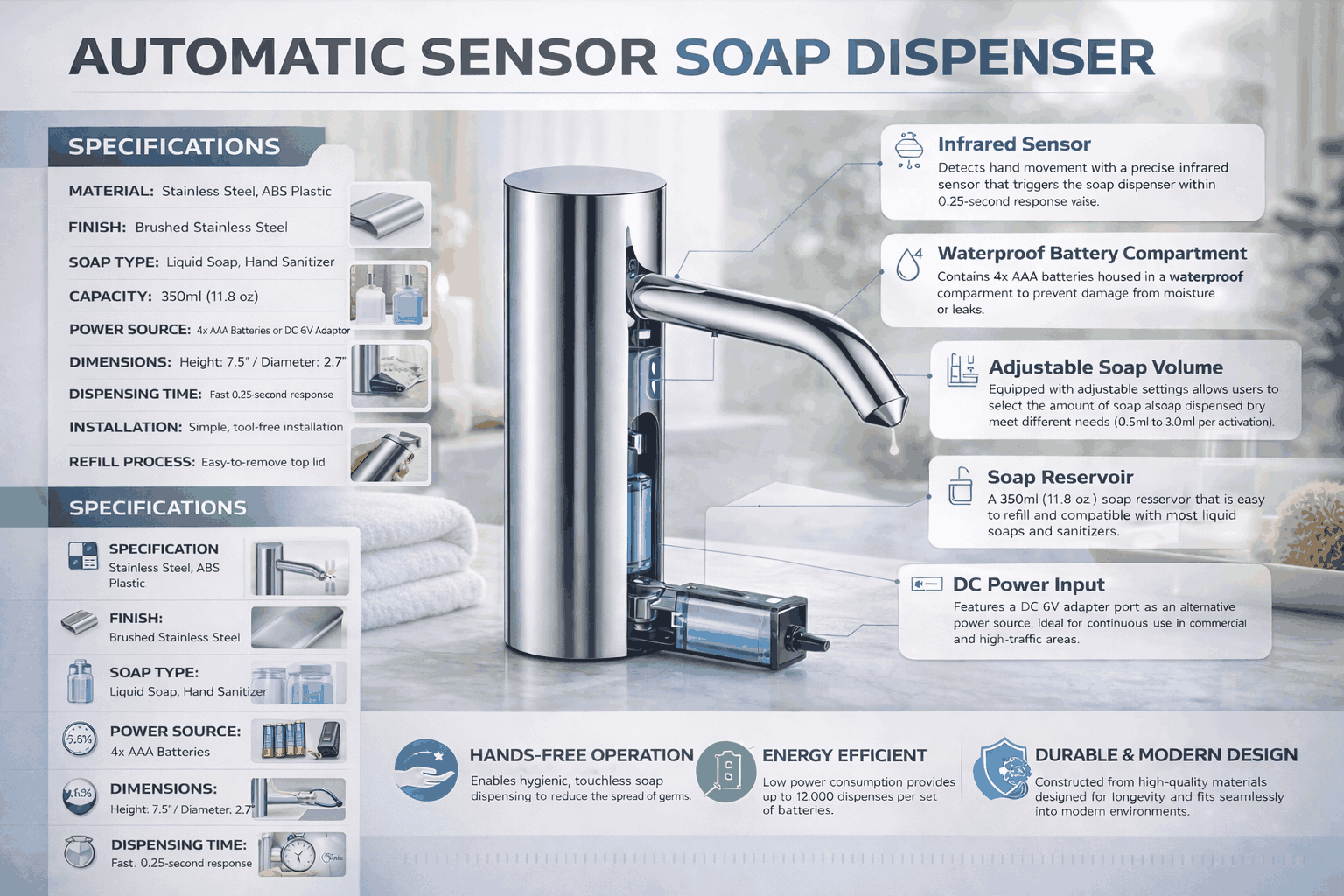
The Parts of a Soap Dispenser That Works Automatically
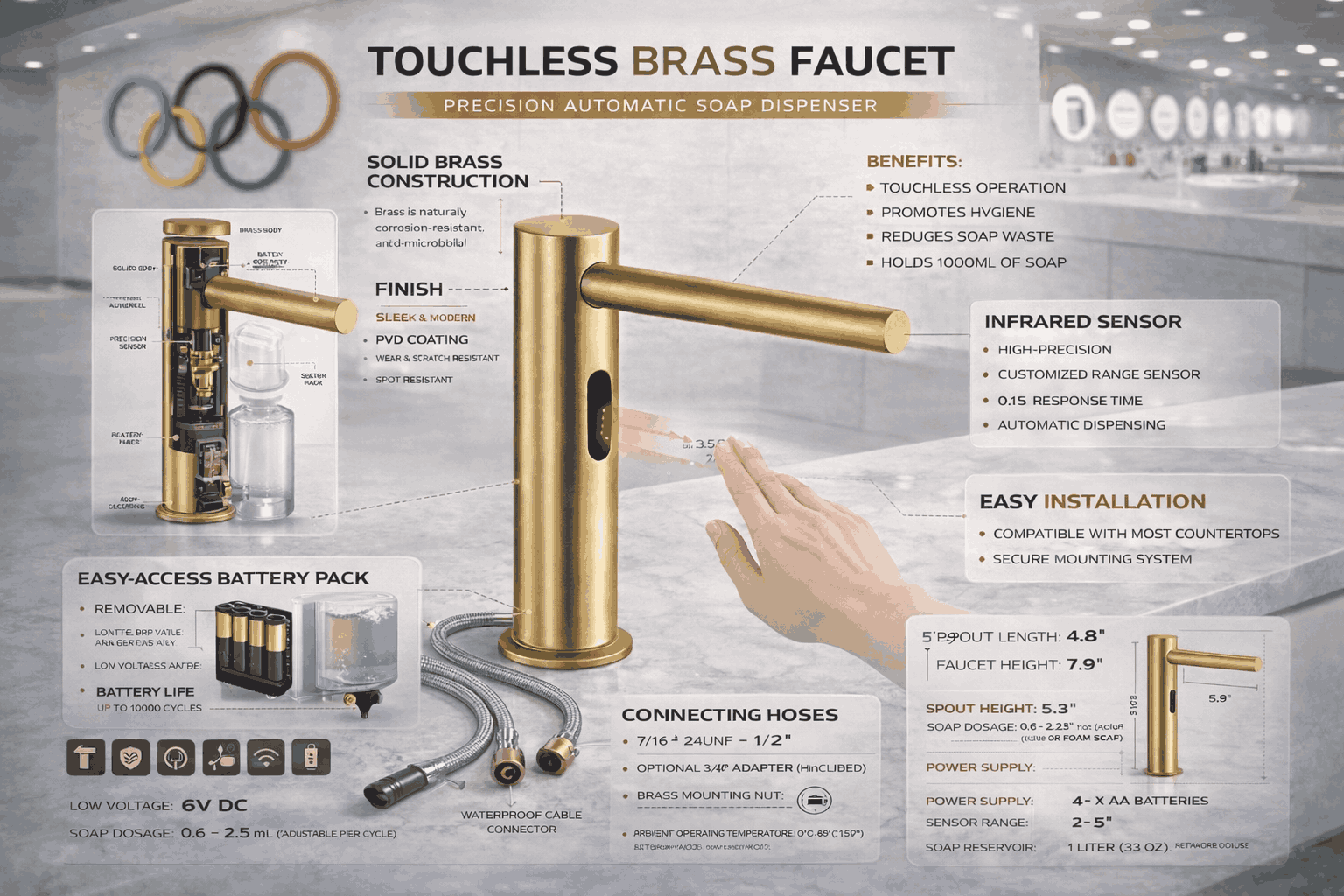
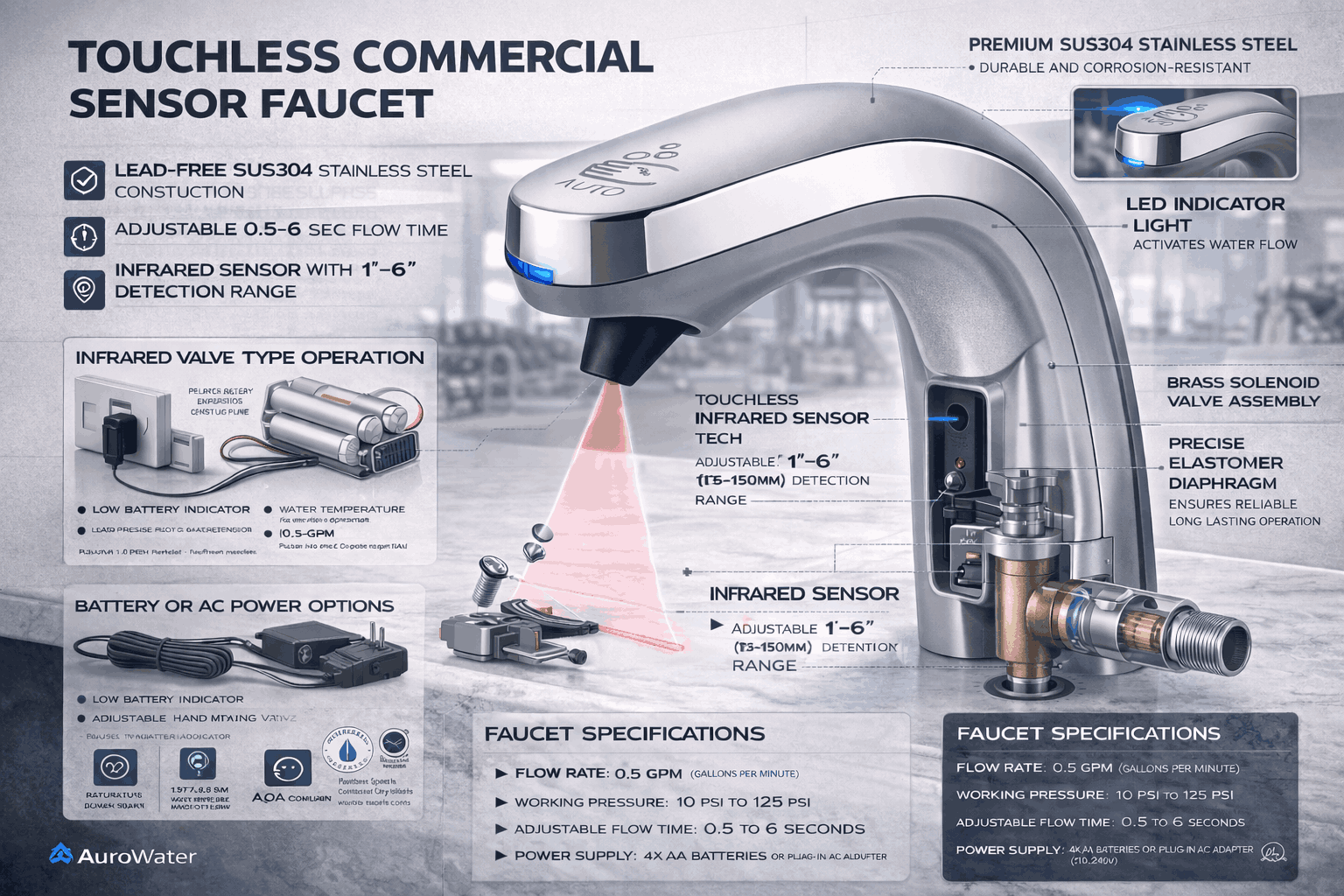
Touchless dispensers have more electronic and electromechanical parts that keep people from touching them.
Sensor Module
Automatic dispensers use infrared or proximity sensors to find your hand and figure out where to put it.
When the sensor sees motion or reflected infrared light within a certain range, it turns on the pump.
It is very important to calibrate correctly so that dispensing works right and you don't accidentally turn it on.
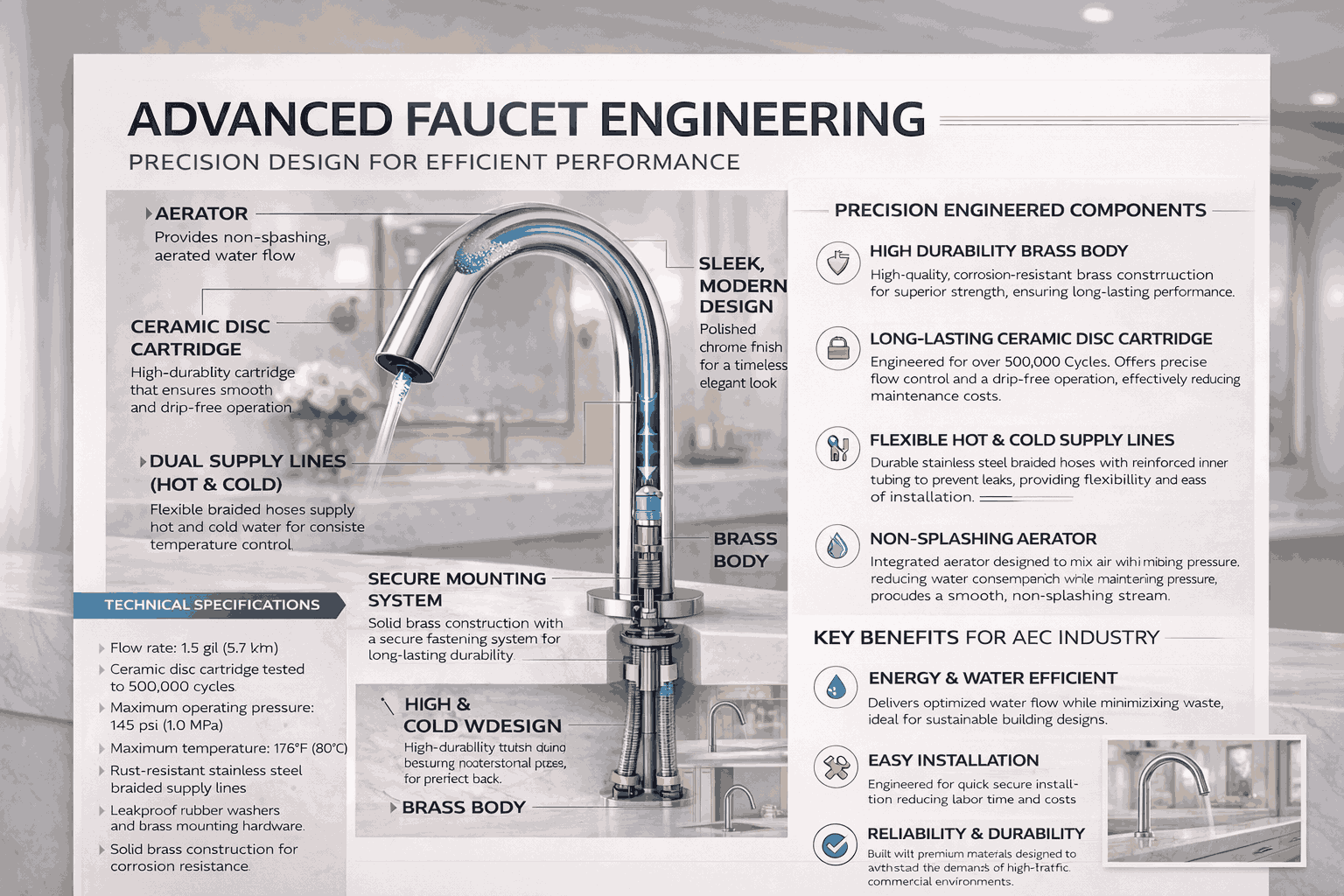
In homes and businesses, sinks, faucets, and hand dryers often come with soap dispensers as part of a full hygiene system. Here are some things to think about:
Here are some things to think about:
Heights and reach ranges for mounting that are in line with ADA standards
How long things should last in schools and hospitals, for example
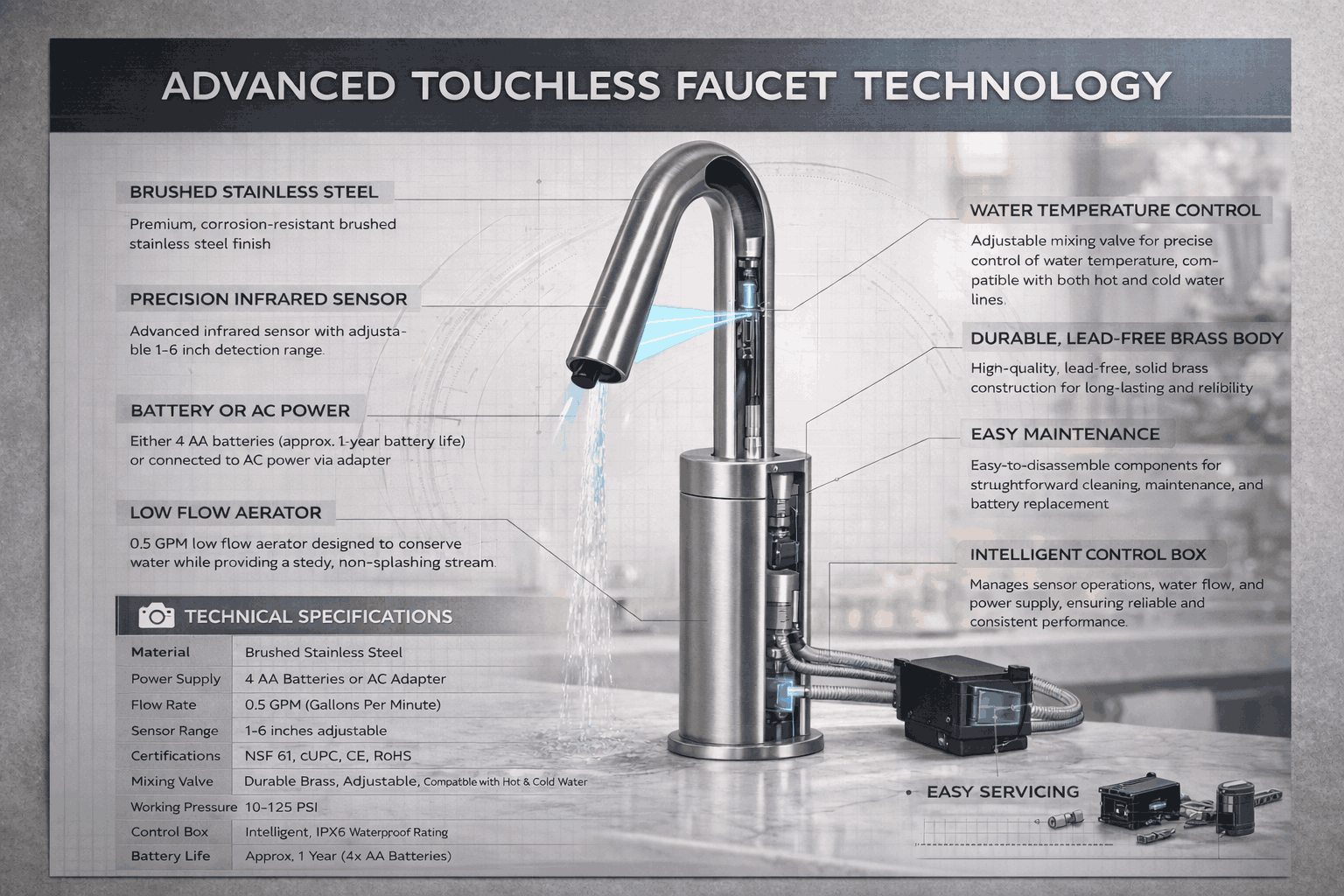
Works with plumbing fixtures that don't need to be touched
When integration is done right, the system will work well, be easy to use, and stay efficient over time.
Things to think about when it comes to service life and upkeep
You can figure out how to take care of a soap dispenser if you know how each part works.
Some common service tasks are:
Taking care of things on a regular basis makes them last longer and stay clean.
Last Thoughts
Things to think about when it comes to service life and upkeep
Some common service tasks are:
Cleaning nozzles and actuators
Changing out old springs, seals, or valves
Keeping an eye on the battery levels in automatic systems
Searching for cracks or leaks in reservoirs
Things that are only for foam soap dispensers
Foam dispensers have extra parts that let air into the stream of soap before it comes out.This usually has:Two places for air and liquid to get inScreens or meshes that are made to make foamPumps that make less thick output
These systems are popular in busy office buildings because they don't use as much soap and still do a good job of cleaning hands.
The parts of a soap dispenser work together to control the flow of liquid, keep things clean, and last a long time. Both mechanical and, in some cases, electronic methods are used to do this. The system works best when all of its parts, from the reservoirs and pump assemblies to the sensors and power systems, are in good shape.
Last Thoughts
Knowing how these parts work helps AEC professionals make better decisions about specifications, keep buildings in good shape, and make bathrooms in businesses and institutions more pleasant for users.
One of the biggest maintenance complaints reported by facility teams involves sensor calibration issues, soap clogging, and premature pump failure. Articles discussing automatic soap dispenser troubleshooting and guides explaining how to reset automatic soap dispensers highlight how common these problems are across the industry. Understanding the parts of a soap dispenser can help maintenance teams reduce downtime and extend product life.
For architects, facility managers, and contractors seeking dependable touchless hygiene solutions, reviewing the latest commercial soap dispenser recommendations and comparing products within the automatic soap dispenser collection remains one of the most effective ways to identify systems capable of supporting modern infection-control protocols while minimizing long-term maintenance costs.
```
Find Out First
Get FontanaShowers emails of inspiration, new product releases, and more!