|
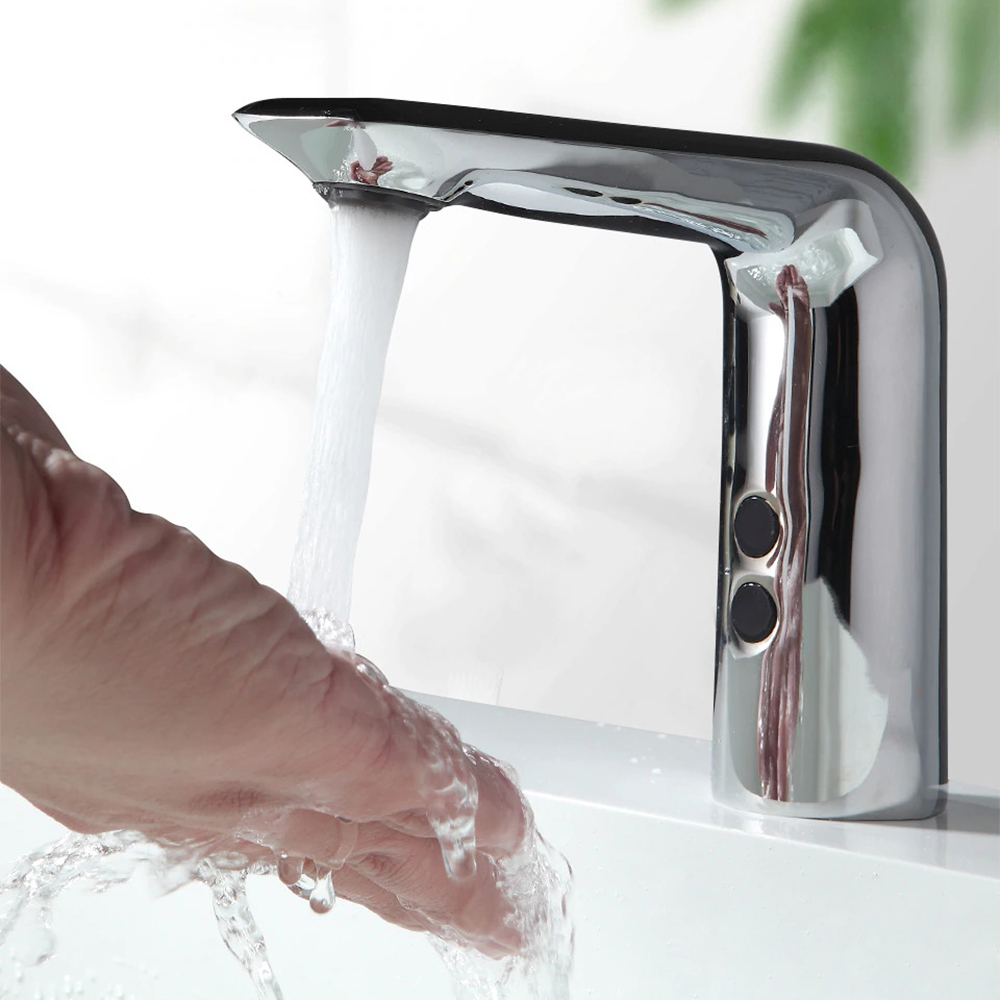
Scientific advancement is characterized by new technological developments aimed at making life simpler and one of the modern developments in bathroom equipment is the introduction of touchless faucets. The touchless or sensor faucet is a piece of technology that works like magic. No need to touch the faucet anymore! Bring your hand under the spout and the water will start to follow. The faucet, also called automatic faucet, operates with a proximity sensor that detects presence of hands and the valve automatically turns on to let the water flow. In this way, the user does not have to touch the faucet to turn it on, as is necessary in traditional faucets.
Touchless Faucet Types:
The types of automatic faucets differ only in the type of sensor they make use of or the material they are made of. The rest of the working is similar in all touchless faucets. Some types of such faucets include:
- Brass and chrome coated faucets
This type of faucet is made of zinc and coated with brass. The brass coating is meant to reduce corrosion rate and keep it shiny for longer. This faucet however, causes hygiene issues. The brass can wear off with time, as a consequence of which the zinc would corrode and this creates hygiene concern.
These faucets, as suggested by the name, are made up of brass alone. The brass does not erode and this makes the faucet durable. The reduced risk of erosion with these faucets makes it suitable for bathrooms where the water is "hard". "Hard" water increases risk of rusting.
Plastic faucets are more popular than the others because these are cheaper, however, these faucets are less durable as they can break or wear off faster.
The stainless steel surface ensures that the faucet remains shiny and does not corrode as long as the surface remains unscratched.
|


 .jpg)