How does architectural design of airport restrooms enhance passenger experience?
Architectural design of airport restrooms enhances passenger experience by incorporating spacious layouts, aesthetically pleasing materials, and user-friendly features such as touchless faucets and automated systems. These designs create a clean, comfortable, and efficient environment, significantly improving the overall impression of the airport
(WeChronicle) (Miami Airport News).
What are the key considerations in the architectural design of airport restrooms?
Key considerations include hygiene, accessibility, sustainability, and aesthetics. Architects focus on using durable, easy-to-clean materials, ensuring ADA compliance, incorporating water and energy-efficient fixtures, and creating a visually appealing design to meet the diverse needs of travelers
(PLOS) (WeChronicle) (Better Business).
How do architects ensure accessibility in airport restroom designs?
Architects ensure accessibility by adhering to ADA guidelines, which include features such as accessible stalls, grab bars, touchless fixtures, and clear signage. These elements make restrooms usable for all passengers, including those with disabilities, enhancing inclusivity and convenience
(WeChronicle) (Airport Improvement).
Why is the use of sustainable materials important in the design of airport restrooms?
The use of sustainable materials is important because it reduces the environmental impact of construction and maintenance. Sustainable materials are often more durable and require less frequent replacement, contributing to long-term cost savings and supporting the airport's sustainability goals
(Better Business) (BWI Airport).
How do architects balance aesthetics and functionality in airport restroom design?
Architects balance aesthetics and functionality by choosing materials and fixtures that are both attractive and practical. This includes using durable, easy-to-clean surfaces, incorporating modern design elements, and ensuring the layout is user-friendly to accommodate high traffic
(WeChronicle) (Miami Airport News).
What role does lighting play in the architectural design of airport restrooms?
Lighting plays a crucial role by enhancing the overall ambiance, improving visibility, and contributing to a sense of safety and cleanliness. Energy-efficient lighting solutions, such as LED fixtures, are often used to reduce energy consumption while providing adequate illumination
(Better Business) (BWI Airport).
How do architectural designs of airport restrooms address privacy concerns?
Architectural designs address privacy concerns by incorporating high partition walls, secure locks, and thoughtful layout planning to ensure that users feel safe and comfortable. These elements help create private and secure spaces within the restrooms
(PLOS) (WeChronicle).
Why is the integration of touchless technology important in airport restroom design?
The integration of touchless technology is important for maintaining high hygiene standards by reducing contact points, which minimizes the spread of germs. Touchless faucets, soap dispensers, and hand dryers are commonly incorporated to enhance the user experience and promote health and safety
(PLOS) (WeChronicle) (Better Business).
How do architects ensure efficient maintenance through restroom design?
Architects ensure efficient maintenance by selecting durable materials, incorporating smart technology for real-time monitoring, and designing layouts that facilitate easy cleaning and repairs. This reduces downtime and ensures that restrooms remain operational and clean
(WeChronicle) (Better Business) (Miami Airport News).
What innovative features are being incorporated in the architectural design of modern airport restrooms?
Innovative features include smart technology for maintenance alerts, real-time usage monitoring, water and energy-efficient fixtures, and enhanced accessibility features. These innovations improve the functionality, sustainability, and user experience of airport restrooms
(Better Business) (Miami Airport News) (BWI Airport).
The architectural design of modern airport restrooms is evolving rapidly, incorporating a range of innovative features aimed at enhancing user experience, improving hygiene, increasing efficiency, and promoting sustainability. These innovations are critical in creating restrooms that can handle the high traffic typical in airports while providing a comfortable and hygienic environment for travelers. Below, we explore the various innovative features being incorporated in the architectural design of modern airport restrooms.
1. Smart Technology Integration
Real-Time Monitoring and Maintenance
Modern airport restrooms are increasingly equipped with smart technology that allows for real-time monitoring of various parameters such as cleanliness, supply levels, and usage patterns. This technology can include sensors that track the usage of soap dispensers, paper towel dispensers, and toilet paper rolls. When supplies are low, maintenance staff are automatically alerted to restock these items, ensuring that restrooms are always fully equipped.
For example, Miami International Airport (MIA) has implemented smart technology systems like Trax Analytics, which use sensors to monitor dispenser levels and restroom usage. This proactive approach helps in maintaining cleanliness and availability, even during peak times
(Airport Improvement) (Miami Airport News).
User Feedback Systems
User feedback systems such as HappyOrNot terminals are becoming common. These systems allow passengers to rate their restroom experience by pressing buttons that indicate their level of satisfaction. The data collected helps airport management to identify problem areas and make necessary improvements. MIA has used this system to gauge passenger satisfaction and address cleanliness and maintenance issues promptly
(Airport Improvement).
2. Touchless Fixtures
Faucets and Soap Dispensers
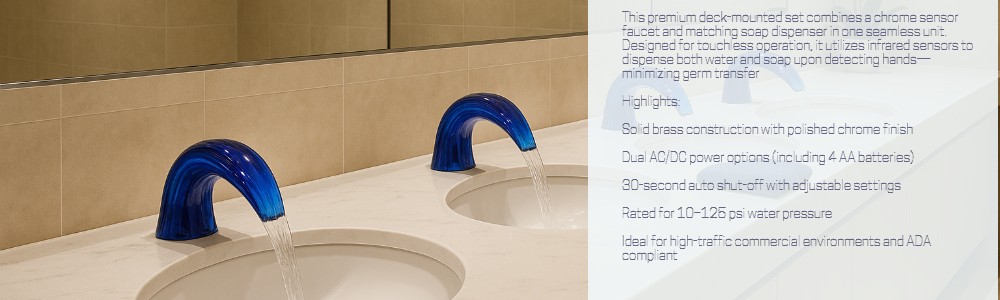
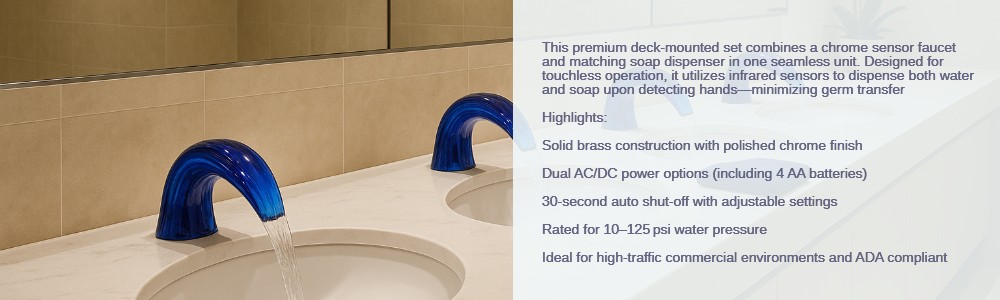
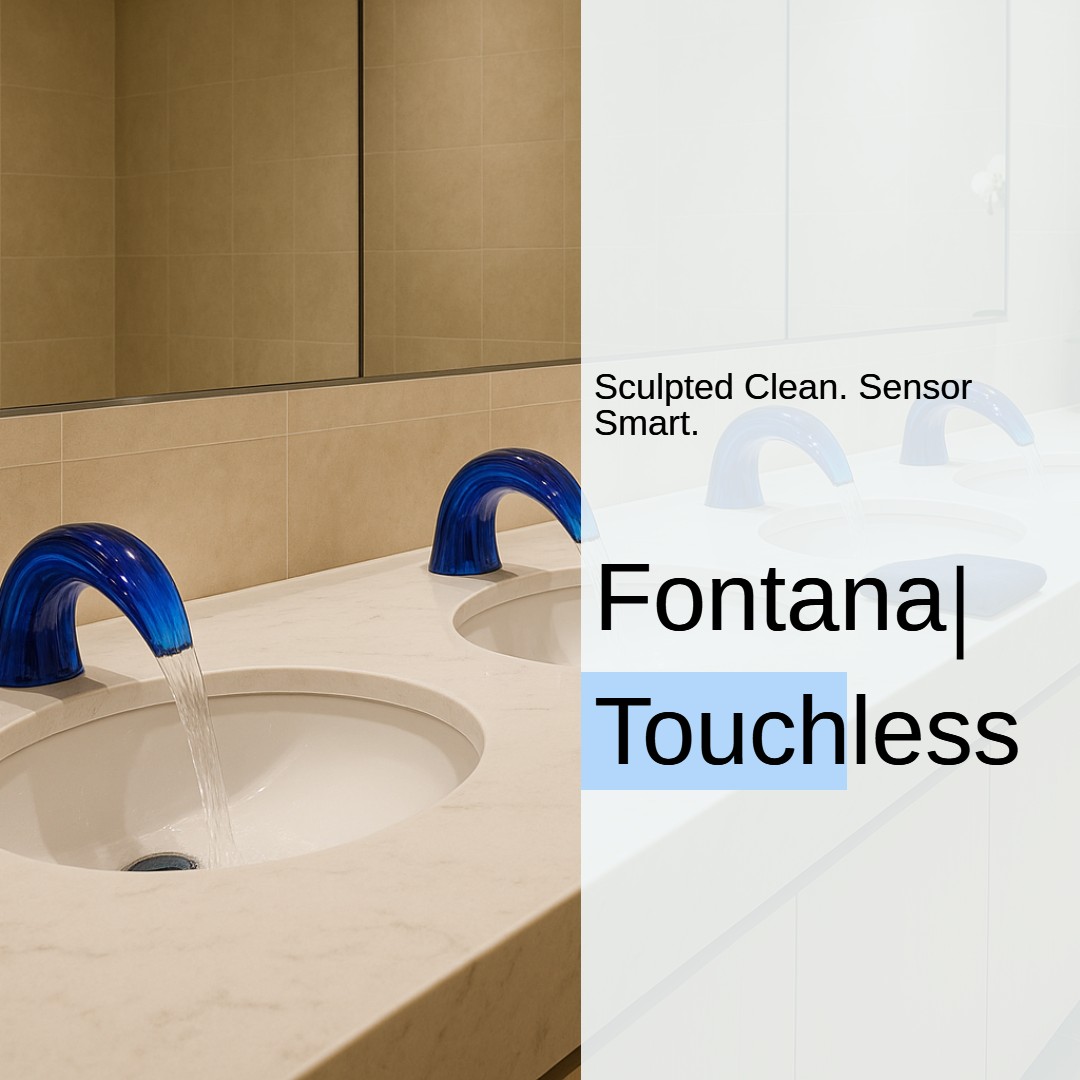
Touchless faucets and soap dispensers are now standard in modern airport restrooms. These fixtures are activated by sensors, reducing the need for physical contact and thereby minimizing the spread of germs. This is particularly important in airports where high passenger turnover can increase the risk of contamination.
Toilets and Urinals
Touchless flushing systems for toilets and urinals are also widely used. These systems use infrared sensors to detect when a user has finished and automatically flush the toilet, maintaining hygiene and preventing the spread of bacteria.
3. Sustainable Design
Water-Efficient Fixtures
Water conservation is a key concern in modern restroom design. Airports are incorporating low-flow faucets, toilets, and urinals that use significantly less water compared to traditional fixtures. These water-efficient fixtures help reduce the overall water consumption of the airport, aligning with broader sustainability goals.
For instance, Philadelphia International Airport (PHL) has implemented WaterSense-certified fixtures that use 20% less water than standard models, contributing to significant water savings across the airport
(Philadelphia International Airport).
Energy-Efficient Lighting
LED lighting is commonly used in modern airport restrooms due to its energy efficiency and long lifespan. Motion sensors are often installed to ensure that lights are only on when the restroom is in use, further reducing energy consumption.
Sustainable Materials
The use of sustainable materials in construction and finishes is another important aspect. Recycled and low-emission materials are preferred for countertops, flooring, and partitions. These materials not only reduce the environmental impact but also often provide better durability and easier maintenance.
4. Enhanced Accessibility
ADA Compliance
Modern airport restrooms are designed to be fully accessible, adhering to ADA guidelines. This includes features such as wider stalls, grab bars, lower sinks, and touchless fixtures that can be easily operated by individuals with disabilities. These features ensure that all passengers, regardless of physical ability, can use the facilities comfortably and safely.
Family and Gender-Neutral Facilities
Airports are increasingly incorporating family restrooms and gender-neutral facilities to cater to the diverse needs of travelers. Family restrooms provide additional space and amenities such as changing tables, making them ideal for travelers with young children. Gender-neutral restrooms offer a safe and private option for all passengers, regardless of gender identity.
5. Improved Layout and Design
Spacious Layouts
The layout of modern airport restrooms is designed to handle high traffic efficiently. Spacious layouts with wide walkways and ample room in stalls help prevent congestion and ensure smooth flow, even during peak travel times. This design consideration is crucial for maintaining a comfortable and stress-free environment for travelers.
Aesthetic Enhancements
Aesthetics play a significant role in the overall passenger experience. Modern airport restrooms feature contemporary designs with high-quality finishes, creating a pleasant and inviting atmosphere. The use of natural light, color schemes, and modern materials helps to enhance the visual appeal of the restrooms.
6. Privacy and Security
High Partitions and Secure Locks
Privacy is a key concern for travelers using public restrooms. Modern designs incorporate high partitions and secure locks to ensure that users feel safe and comfortable. This attention to privacy helps in creating a more pleasant and stress-free experience for travelers.
7. Technological Innovations
Digital Signage and Wayfinding
Digital signage is used to provide real-time information about restroom availability and location. This technology helps travelers quickly find the nearest available restroom, reducing wait times and improving overall efficiency.
Real-Time Occupancy Indicators
Some airports have started using occupancy indicators that show which stalls are currently occupied. This innovation helps manage restroom traffic and reduces the time passengers spend searching for an available stall.
8. Hygiene Enhancements
Antimicrobial Surfaces
The use of antimicrobial surfaces in countertops, door handles, and other high-touch areas helps to reduce the spread of bacteria and germs. These surfaces are designed to be self-cleaning, providing an additional layer of hygiene protection.
Air Quality Control
Advanced ventilation systems are used to maintain air quality and reduce odors in airport restrooms. These systems ensure a constant flow of fresh air, improving the overall environment for restroom users.
9. Enhanced Maintenance Procedures
Automated Cleaning Systems
Some modern restrooms are equipped with automated cleaning systems that can be programmed to clean the facilities at regular intervals. These systems ensure a consistent level of cleanliness and reduce the workload for maintenance staff.
10. User-Centric Design
Inclusive Features
Designing restrooms with inclusive features such as baby changing stations in both men's and women's restrooms, and providing accessible facilities for elderly passengers, ensures that the needs of all travelers are met.
The architectural design of modern airport restrooms is a testament to the advances in technology, sustainability, and user-centric design. By incorporating smart technology, touchless fixtures, sustainable materials, and enhanced accessibility features, airports are able to provide a superior restroom experience for travelers. These innovations not only improve hygiene and convenience but also contribute to the overall efficiency and sustainability of airport operations. As airports continue to evolve, the design and functionality of their restrooms will remain a critical aspect of their infrastructure, reflecting the broader goals of enhancing passenger satisfaction and operational excellence.
What are the benefits of incorporating smart technology in airport restrooms?
Smart technology in airport restrooms ensures real-time monitoring of cleanliness and supply levels, improves maintenance efficiency, and enhances user satisfaction by providing timely feedback systems and usage data
(Airport Improvement) (Miami Airport News).
How do touchless fixtures improve hygiene in airport restrooms?
Touchless fixtures reduce physical contact, thereby minimizing the spread of germs and bacteria, which is crucial for maintaining high hygiene standards in high-traffic areas like airports
(PLOS) (WeChronicle) (Better Business).
Why is the use of sustainable materials important in airport restroom design?
Sustainable materials reduce environmental impact, offer better durability, and lower maintenance costs, contributing to the overall sustainability goals of the airport
(Better Business) (BWI Airport).
How do modern airport restrooms ensure accessibility for all passengers?
Modern airport restrooms follow ADA guidelines, providing wider stalls, grab bars, touchless fixtures, and clear signage to ensure accessibility for passengers with disabilities
(WeChronicle) (Airport Improvement).
What role does lighting play in the design of modern airport restrooms?
Energy-efficient LED lighting enhances visibility, safety, and cleanliness while reducing energy consumption, contributing to both functionality and sustainability
(Better Business) (BWI Airport).
How do airport restrooms balance aesthetics and functionality?
Airport restrooms use high-quality, durable materials and modern design elements that create a visually appealing environment while ensuring practical usability and easy maintenance
(WeChronicle) (Miami Airport News).
What innovative features are being used to maintain cleanliness in airport restrooms?
Innovative features include real-time monitoring systems, automated cleaning systems, antimicrobial surfaces, and smart sensors for supply levels, all of which ensure consistent cleanliness and hygiene
(Better Business) (Airport Improvement) (Miami Airport News).
How do family and gender-neutral facilities enhance the design of airport restrooms?
Family and gender-neutral facilities provide additional space and amenities, such as changing tables and larger stalls, accommodating the diverse needs of travelers and ensuring inclusivity
(WeChronicle) (Airport Improvement).
What privacy and security features are incorporated in airport restroom designs?
High partition walls, secure locks, and thoughtful layout planning ensure that users feel safe and comfortable, addressing privacy and security concerns effectively
(PLOS) (WeChronicle).
How do smart technologies in airport restrooms contribute to operational efficiency?
Smart technologies provide real-time data on restroom usage and maintenance needs, allowing for timely interventions and efficient resource management, thereby enhancing overall operational efficiency
(Better Business) (Miami Airport News).