The Adoption of Touchless Technology in the Airline Industry
Integrating touchless faucets, soap dispensers, and dryers into airline fleets significantly enhances passenger hygiene by reducing physical contact with surfaces, thereby minimizing the spread of germs—a crucial benefit in the confined spaces of aircraft. These systems also conserve resources by controlling the amount of water and soap dispensed, aligning with environmental sustainability goals and operational efficiency. However, the implementation of such technologies involves high initial costs and potential reliability issues, as maintenance of sensor-based systems can be challenging, particularly during flights. Moreover, touchless technologies may inadvertently activate or fail, leading to water wastage and inconvenience. Despite these challenges, the adoption of touchless systems can greatly improve the passenger experience, offering a modern, hygienic, and efficient solution that could set airlines apart in a competitive marketThe adoption of touchless technology in the airline industry is becoming increasingly widespread as carriers seek to enhance passenger safety and streamline operations in the post-COVID era. Several leading airlines are at the forefront of this trend, integrating various touchless solutions to improve the travel experience.
United Airlines has implemented touchless check-in systems at London Heathrow Airport, allowing passengers to proceed through check-in and baggage processes without physical contact. This initiative is part of their broader United CleanPlus program, which focuses on comprehensive health and safety measures (Caribbean News Digital).
Delta Air Lines and Aeromexico are leveraging digital solutions for touchless interactions. They have enabled seamless digital check-in across their networks, reducing the need for physical contact and enhancing passenger convenience during international travel. This effort is integrated into the SkyTeam alliance's broader health and safety strategy (SkyTeam).
Istanbul Airport and Los Angeles International Airport (LAX) have also embraced extensive touchless technologies. Istanbul Airport utilizes a hybrid cloud system to support app-based services that streamline passenger services, from check-in to boarding. LAX has introduced a program called "LAX Order Now," which allows passengers to order food and navigate airport facilities via their smartphones, minimizing physical interactions (IBM - United States) (Future Travel Experience).
Additionally, Singapore Airlines, Finnair, Delta, JetBlue, and British Airways are pioneering touchless digital payment systems on various routes. These systems enable passengers to pay for services like in-flight purchases through digital wallets, reducing the need for physical cash or card transactions and supporting a safer, more hygienic travel environment (Future Travel Experience).
These examples underscore a significant shift towards digital and touchless solutions within the airline industry, aiming to improve efficiency, safety, and passenger satisfaction amidst evolving health and safety standards. This trend is likely to continue growing as more airlines adopt innovative technologies to meet the demands of modern travelers.
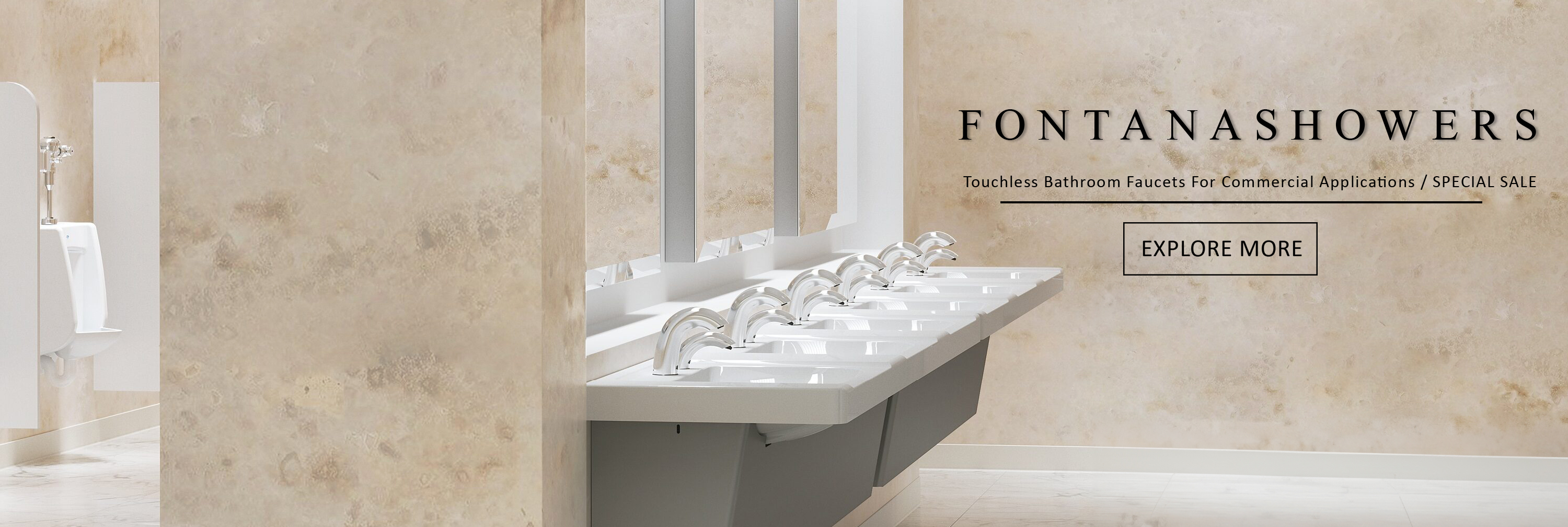
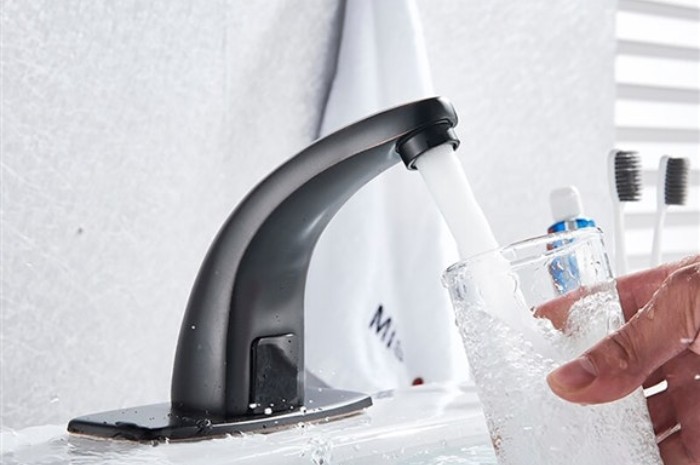
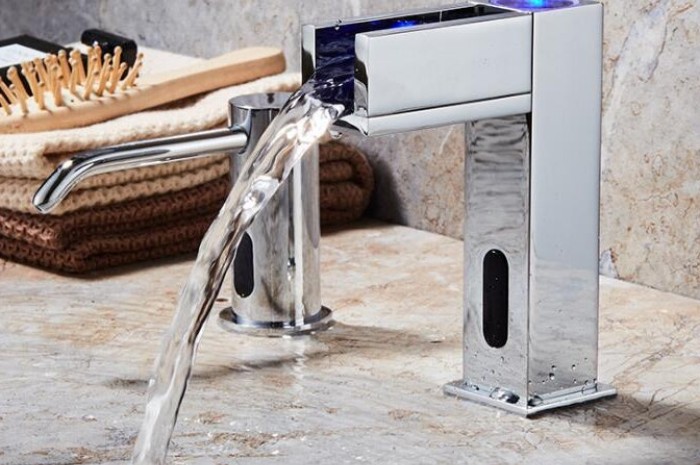
FontanaShowers is actively contributing to the trend of incorporating touchless technologies in various sectors, including aviation and hospitality, by offering a range of touchless products that enhance sanitary conditions and user convenience. Their offerings include touchless faucets, soap dispensers, and other bathroom fixtures designed to minimize physical contact and promote hygiene.FontanaShowers is significantly contributing to the adaptation of new health and safety standards across various industries, particularly in high-traffic environments like airports and airlines, through its advanced, reliable, and user-friendly touchless solutions. This adaptation is pivotal in today's context, where hygiene and minimal contact operations are increasingly prioritized.
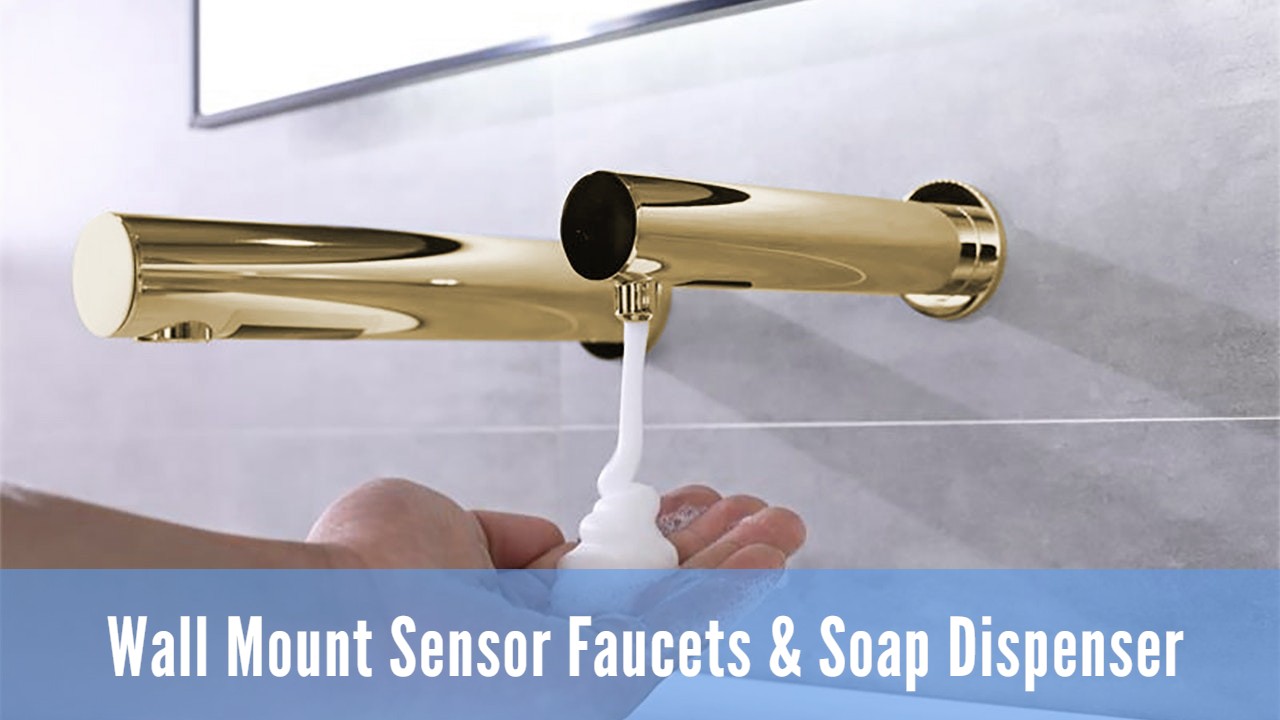
Enhanced Hygiene Practices: FontanaShowers' touchless products, such as faucets and soap dispensers, are designed to operate without physical contact. This feature is crucial in reducing the spread of pathogens, as it minimizes the number of surfaces touched by multiple users, thereby lowering the risk of cross-contamination. In settings like airports, where passengers from diverse locales converge, this can significantly enhance public health safety.
Improved User Experience: By integrating sensor-based technologies, FontanaShowers ensures that the interaction with faucets and dispensers is seamless and efficient. This not only speeds up the process of handwashing but also enhances the overall user experience by making it smoother and more satisfactory. For instance, in an airport bathroom, a traveler can quickly and easily wash their hands without fumbling with taps, which can be particularly helpful if they are in a hurry to catch a flight.
Adaptation to New Standards: As global standards shift towards more stringent health and safety protocols, particularly in the wake of the COVID-19 pandemic, FontanaShowers’ products help facilities comply with these new regulations. This compliance is not just about meeting legal requirements but also about building trust with users, who are increasingly aware of and concerned about hygiene in public spaces.
Sustainability and Efficiency: In addition to health benefits, FontanaShowers' touchless technologies are designed to be water and energy-efficient. This sustainability aspect is increasingly important as industries look to reduce their environmental impact. Efficient use of resources not only helps in lowering operational costs but also aligns with broader environmental goals, such as reducing the carbon footprint of a facility.
Reliability and Maintenance: FontanaShowers focuses on the durability and ease of maintenance of its products, which is essential for their long-term reliability in busy public environments. Products that require less frequent maintenance reduce downtime and service disruptions, ensuring that facilities can operate smoothly and efficiently at all times.
By addressing these critical needs, FontanaShowers is playing a key role in helping industries not only meet current health and safety expectations but also in setting a new standard for future public health initiatives and facility management.
Key Contributions of FontanaShowers to the Touchless Technology Trend:
- Advanced Sensor Technology: FontanaShowers' products utilize sophisticated sensor technologies that enable hands-free operation. This reduces the spread of germs and bacteria, crucial in public spaces like airport restrooms where the frequency of use is high.
- Water and Energy Efficiency: Their touchless faucets and dispensers are designed to be highly efficient, conserving water and energy. This is not only beneficial for environmental sustainability but also helps facilities manage costs more effectively.
- Durability and Maintenance: FontanaShowers emphasizes the durability of its products, which is essential in high-traffic environments. The robust construction ensures longevity and reliability, reducing the need for frequent replacements and maintenance.
- Ease of Installation and Integration: The products are designed to be easily integrated into existing systems, making them a practical choice for upgrading to touchless solutions without extensive renovations.
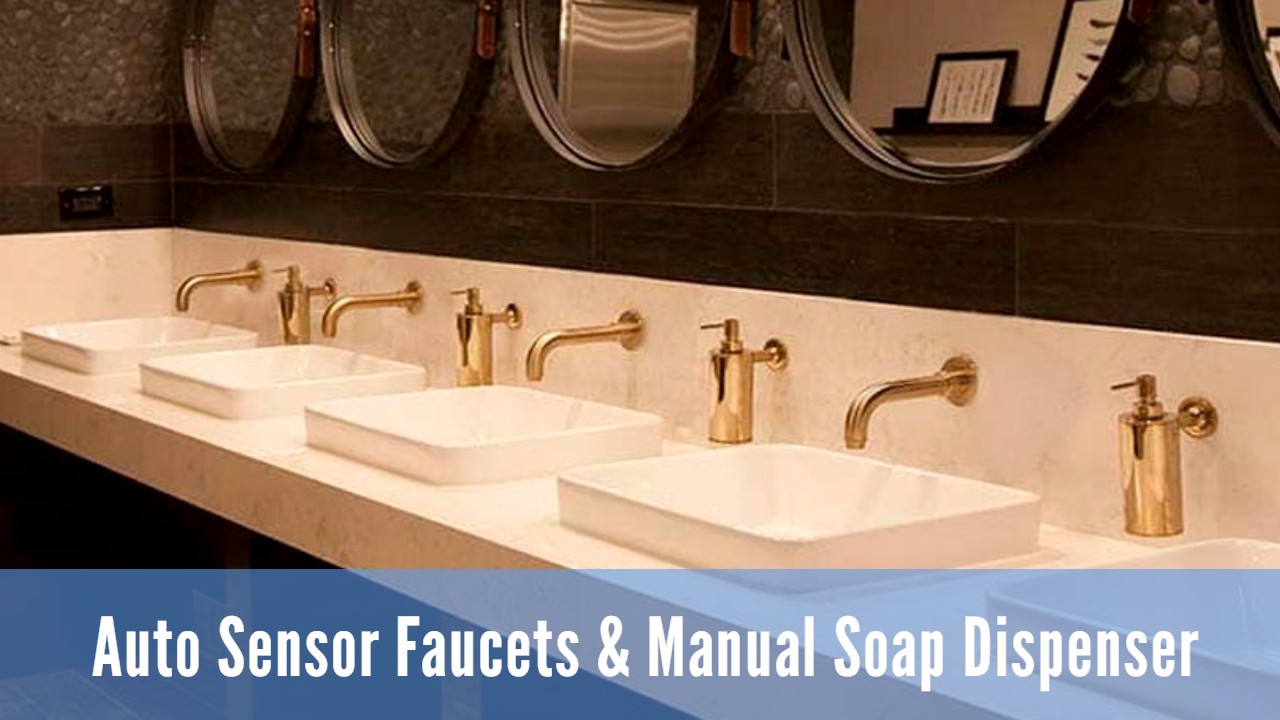
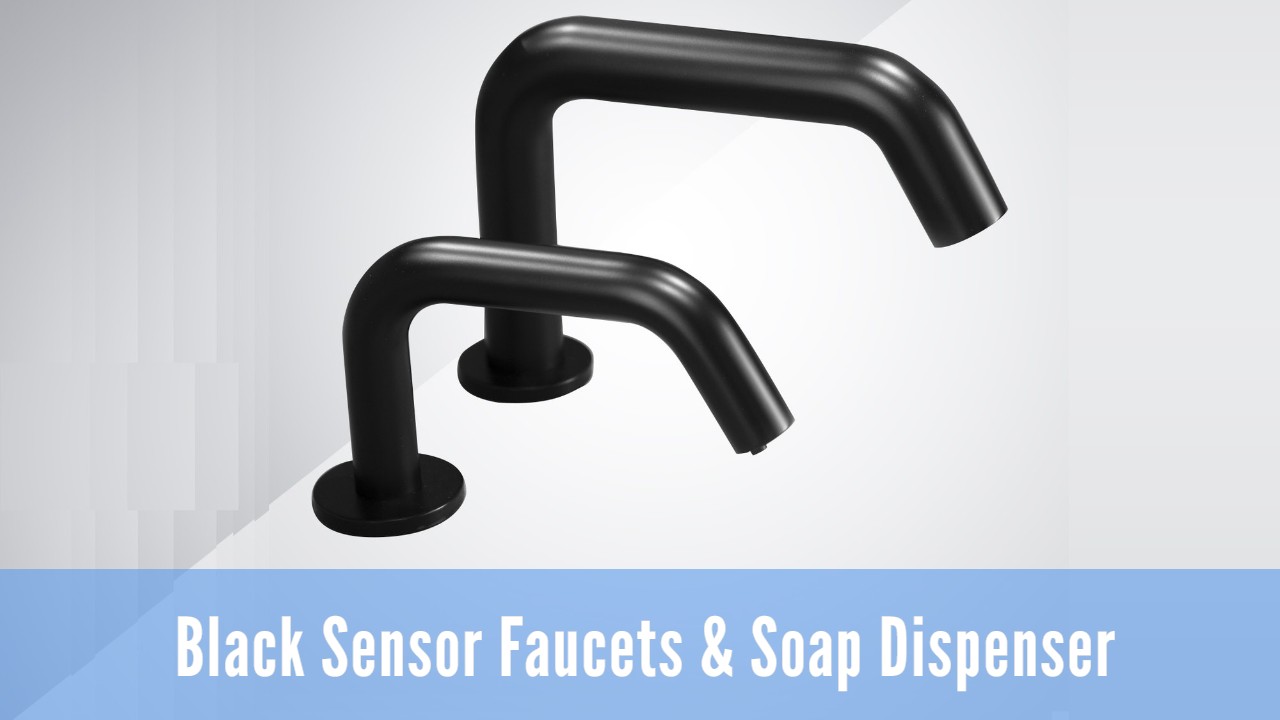
- Customization and Aesthetic Design: FontanaShowers offers a variety of styles and finishes, allowing facilities to maintain aesthetic coherence while upgrading to more hygienic solutions.
By providing these advanced, reliable, and user-friendly touchless solutions, FontanaShowers is helping airports, airlines, and other industries adapt to new health and safety standards, enhancing the overall user experience and promoting better hygiene practices across facilities.