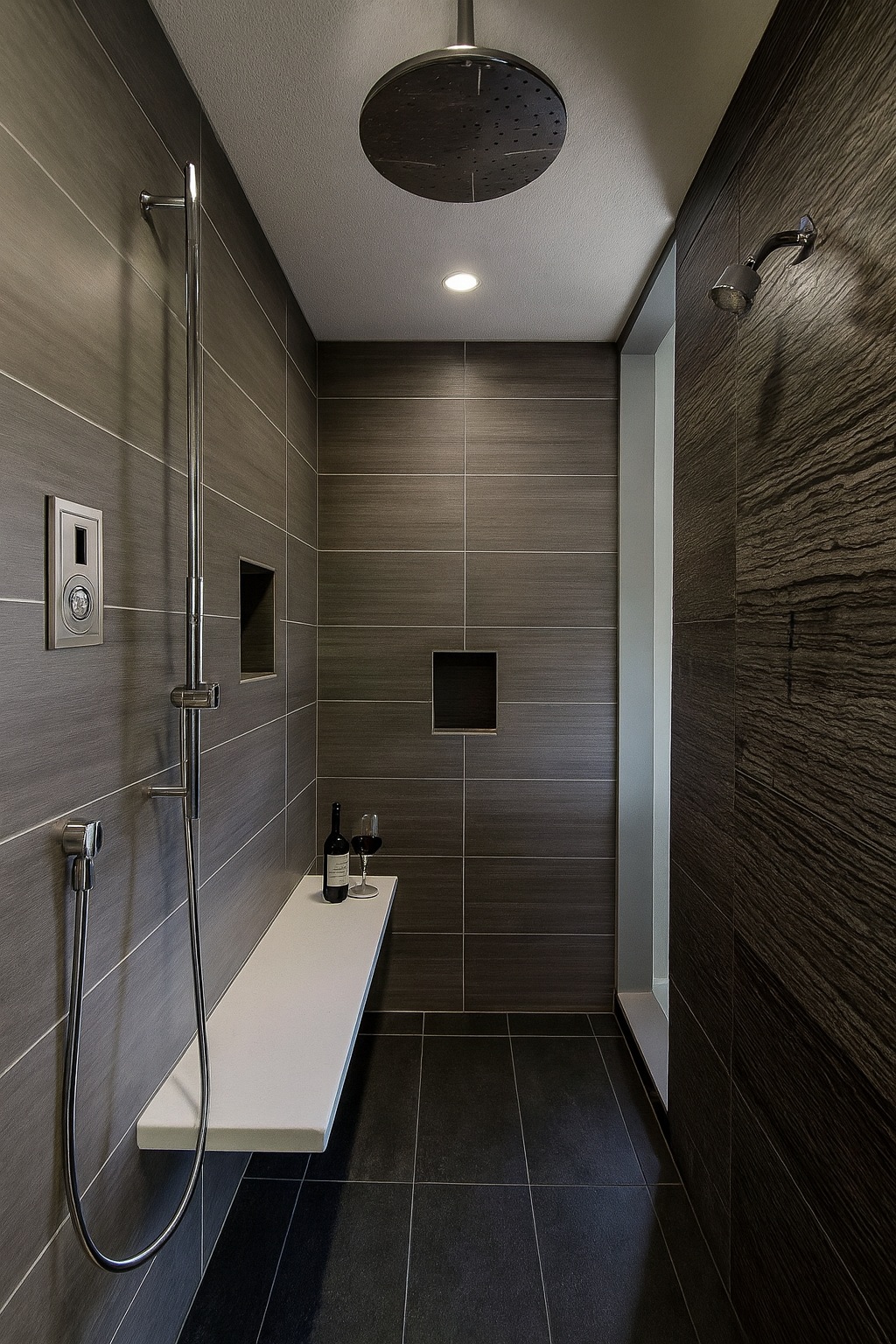
How to Descale Showerheads & Trim for Lasting Beauty and Performance
Showerhead
Trim
Descaling
Lifecycle Care

Why Descaling Matters
Showerheads and exposed trim in commercial and residential bathrooms are directly impacted by water chemistry. Hard water introduces calcium, magnesium, and other dissolved minerals that precipitate at outlets and on metallic finishes. Over time, this buildup constricts internal passages, distorts spray patterns, and can degrade decorative finishes if aggressive cleaners are used to compensate.
For WaterSense-aligned installations, maintaining clean outlets is essential to preserve the hydraulic performance assumed in the
EPA WaterSense showerhead criteria and related technical specifications for spray force and coverage. At the fitting level, showerheads are covered as terminal fittings under ASME A112.18.1/CSA B125.1, which sets baseline performance expectations for plumbing supply fittings. Periodic descaling is therefore both an aesthetic and a performance requirement for FontanaShowers® systems.
- Restores water flow: Removes mineral restrictions to maintain design flow and spray distribution.
- Protects finishes: Reduces the need for harsh chemicals that can etch or discolor PVD and plated trims.
- Enhances hygiene: Limits biofilm retention around outlets and wetted surfaces.
- Extends service life: Reduces mechanical stress on valves and thermostatic controls associated with partially blocked outlets.

Step-by-Step: Showerhead
- Determine Removal vs. In-Place Cleaning: Where access permits, remove the showerhead from the arm to allow full soaking. For recessed or integrated Fontana units, follow the guidance in the Repair & Maintenance Guide for in-place descaling of shower heads and shower sets.
- Prepare a Mild Descaling Solution: Use a solution such as 50/50 white vinegar and warm water and submerge the spray face or outlet region for approximately 30–60 minutes. For showerheads with rubber nozzles or complex finishes, confirm compatibility with the product literature and avoid prolonged exposure if not recommended.
- Clean Nozzles and Outlets: After soaking, gently flex rubber nozzles or use a soft nylon brush to dislodge residual scale. Avoid metal picks or hard bristles that can permanently enlarge outlet ports or scratch spray plates.
- Flush Thoroughly: Rinse the showerhead with clean water and reattach if removed. Run the shower for several minutes to flush loosened deposits from internal passages and verify that spray patterns are uniform.
- Inspect Flow and Pattern: Confirm that the outlet flow is consistent with the showerhead’s rated performance (including WaterSense-labeled models where applicable) and that no zones remain partially blocked.
Step-by-Step: Trim
- Wipe with a Soft Cloth: Start with a damp microfiber cloth to remove surface dust, light scale, and soap film from escutcheons, arms, and decorative components.
- Apply Finish-Safe Cleaner: Use a mild, pH-neutral cleaner consistent with Fontana’s guidance in the Care & Maintenance Guide. For mineral spotting on robust finishes, a diluted vinegar solution may be used, but avoid strong acids or extended contact.
- Respect Finish Limitations: For PVD and specialty finishes (e.g., brushed gold, gunmetal, matte black), verify in the product data that any descaling method is approved. When in doubt, use only water and mild soap to protect the engineered surface.
- Rinse and Dry: Rinse cleaned areas with water and dry with a microfiber cloth to remove residual cleaner and prevent new spotting under warm, humid shower conditions.
Maintenance Frequency
- Light Cleaning (Spray Face & Trim): Wipe showerhead nozzles and trim weekly in typical residential or hospitality applications, more frequently in visibly hard-water conditions.
- Descaling Intervals: Perform a more intensive descaling every 1–3 months depending on water hardness, usage, and observed scale accumulation. In areas with very hard water or in high-traffic spa and hospitality environments, monthly descaling may be appropriate.
These intervals support continued conformance with water-efficiency and performance expectations similar in intent to the
WaterSense showerhead program and the water conservation objectives found in Chapter 5 (Nonresidential Mandatory Measures) of CALGreen for projects where such criteria are referenced in the design scope.
Tips for Best Results
- Align Methods with Finish Type: For matte black, brushed gold, and other specialty finishes, rely on water and mild soap unless the specific Fontana product documentation explicitly allows dilute acidic descalers.
- Consider Upstream Treatment: In regions with very hard water, integrating a softening or conditioning system can significantly reduce scale accumulation at showerheads and trim.
- Incorporate Post-Use Wiping: Encouraging quick towel wipes of visible trim in luxury and hospitality suites can extend intervals between deep descaling events and preserve a uniform appearance.
Final Thoughts
For AEC teams, descaling is not merely a housekeeping recommendation; it is a key assumption in maintaining the hydraulic and aesthetic performance of shower systems over the life of the project. Showerheads and trims specified from the FontanaShowers
showerhead portfolio, when paired with maintenance practices consistent with Fontana’s Repair & Maintenance Guide, are better positioned to deliver ongoing compliance with WaterSense-style performance expectations and owner appearance standards.
Documenting these descaling procedures in project O&M manuals, commissioning reports, and facility PM schedules helps owners and operators preserve water pressure, protect finishes, and reduce reactive service calls across commercial, hospitality, and residential applications.
|
|
Explore Showerhead & Trim Descaling Resources
Explore practical showerhead and trim descaling resources developed to remove mineral buildup, restore consistent water flow, protect decorative finishes, and preserve long-term shower performance. Review finish-safe cleaning methods, preventive maintenance guidance, hard-water care, and professional shower-system resources for residential, hospitality, commercial, and luxury bathroom applications.
Showerhead & Trim Descaling Resources
Architecture, Plumbing Engineering, Facility Maintenance & Water-Efficiency Authority References
-
American Institute of Architects
— professional architectural authority supporting durable material specification, lifecycle planning, building performance, and coordinated maintenance documentation.
-
American Society of Plumbing Engineers
— professional authority supporting plumbing-system performance, fixture maintenance, water-delivery planning, and commercial shower engineering.
-
IFMA
— internationally recognized authority for preventive maintenance, facility operations, lifecycle management, and long-term building performance.
-
EPA WaterSense
— trusted U.S. water-efficiency program supporting efficient showerheads, consistent spray performance, responsible water use, and sustainable plumbing operation.
|
|
|